
Why You Should Start Using Wrist Wraps in the Gym
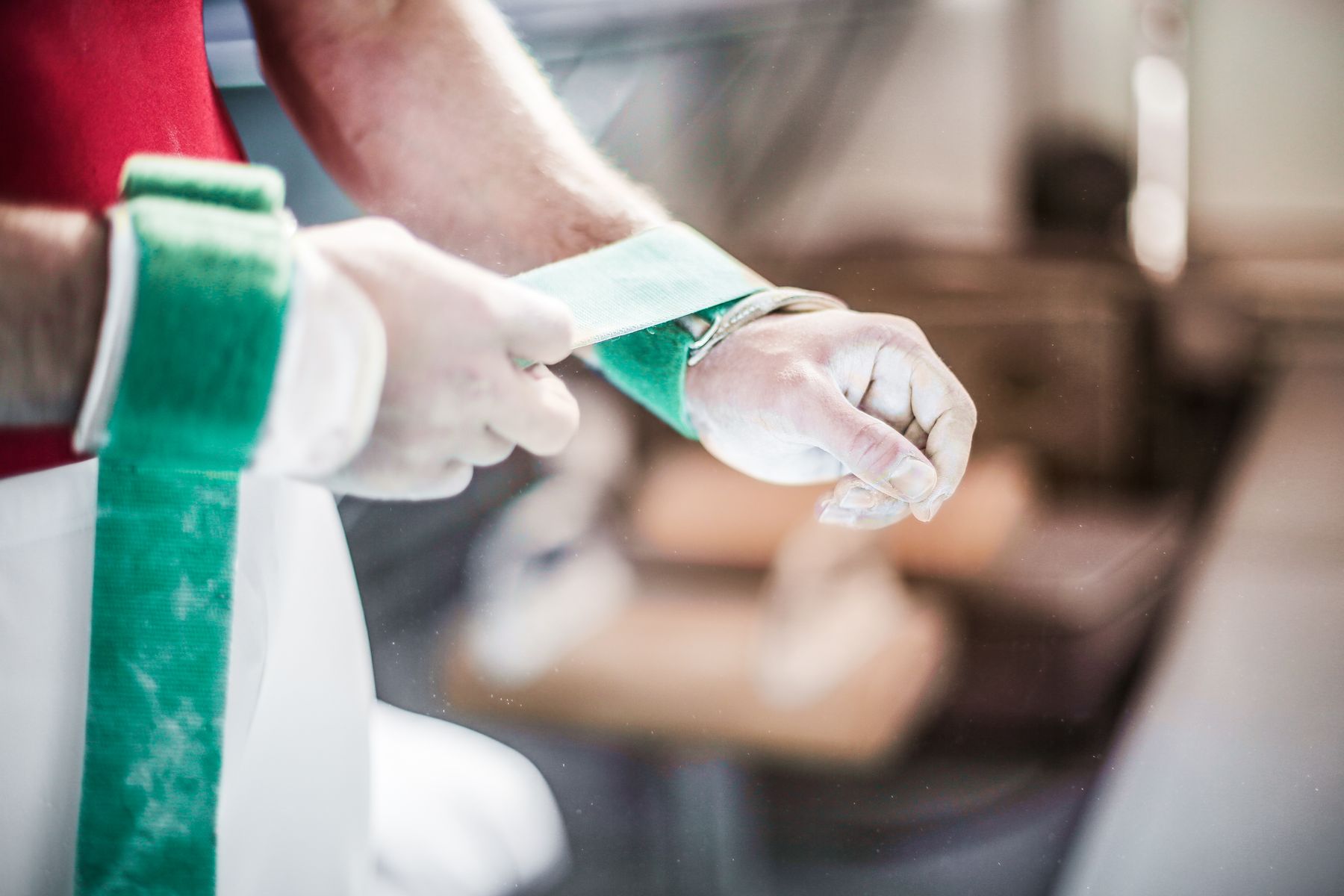
If you train hard and consistently, chances are your wrists have taken more abuse than you realize.
Whether you're bench pressing, overhead pressing, front squatting, curling, cleaning, or moving heavy implements, your wrists are constantly being asked to stabilize weight and deal with pressure. And while your wrists are built to handle load, they aren't necessarily designed to absorb constant, repetitive pressure under heavy weights without some additional support.
That's where wrist wraps come in.
Wrist wraps are one of the simplest pieces of equipment you can add to your gym bag, and they can make a noticeable difference in how your wrists feel and perform during heavy training. You don't need an expensive pair, either. A basic set of wraps, even something around $20 from Amazon, can provide plenty of support for the average lifter.
What Do Wrist Wraps Actually Do?
Wrist wraps work by providing additional support around the wrist joint and helping keep the wrist in a more stable position while you're lifting.
When you're pressing heavy weight, your wrist can naturally want to extend backward under the load. The heavier the weight gets, the more pressure your wrist may have to deal with.
A properly tightened wrist wrap helps create compression and stability around the joint, giving your wrist something to push against and helping prevent excessive movement.
Think of it as another layer of support between your hands and the weight.
That doesn't mean wrist wraps magically make your wrists stronger or eliminate the possibility of injury. Instead, they can help reduce unnecessary movement and provide additional stability when the demands of the exercise become high.
Your Wrists Weren't Made for Endless Heavy Pressure
One of the biggest mistakes lifters make is assuming that because their wrists can handle a certain amount of stress, they should handle that stress indefinitely.
Training is repetitive.
You might bench three times a week. You might overhead press every week. You might perform hundreds of reps across your pressing, pulling, and accessory movements.
Over time, that adds up.
Your muscles aren't the only structures dealing with training stress. Your joints, tendons, ligaments, and connective tissues are also involved. And while adaptation is an important part of getting stronger, managing unnecessary stress is equally important.
Wrist wraps can be useful when the goal is to support the joint during demanding sets rather than allowing the wrist to constantly fight for stability.
They're particularly useful as the weight gets heavier.
Wrist Wraps for Bodybuilding
Bodybuilders often perform a high volume of pressing movements.
Think about how much wrist stress can accumulate from exercises like:
Barbell bench press
Incline bench press
Dumbbell pressing
Overhead press
Machine pressing
Dips
Smith machine presses
Even though bodybuilding isn't primarily about hitting a one-rep max, the sheer amount of volume can create a lot of repetitive stress.
Wrist wraps can help keep the wrist stable during pressing movements, allowing you to focus more on the muscle you're trying to train rather than constantly thinking about wrist positioning.
For a bodybuilder, wraps don't necessarily need to be worn for every exercise. They can be saved for heavier pressing movements or higher-volume sessions where wrist fatigue starts becoming noticeable.
Wrist Wraps for Powerlifting
Powerlifting is probably where wrist wraps make the most obvious difference.
Bench pressing places significant demands on the wrist because you're supporting a heavy bar while trying to maintain a strong, efficient pressing position.
A weak or excessively extended wrist can make the movement feel unstable. Wrist wraps can help maintain a more rigid wrist position and provide additional support as the weight gets heavier.
When you're handling a heavy bench press, you don't want your wrist to become the weak link between your hand and the bar.
The same principle applies to other pressing movements used in powerlifting training. The goal isn't to have the wraps do the work for you, it's to create a stable foundation so you can perform the movement properly.
Wrist Wraps for Powerbuilding
Powerbuilding combines elements of bodybuilding and powerlifting, which means you're getting the best, and sometimes the most demanding, parts of both styles.
You might start your workout with heavy bench presses and then move into incline dumbbell presses, overhead presses, and a variety of high-volume chest, shoulder, and triceps exercises.
That's a lot of work for your wrists.
For powerbuilders, wrist wraps can be especially useful because you're dealing with both heavy loads and high training volume.
You can use them strategically during your heaviest compound movements and whenever your wrists begin becoming the limiting factor.
The goal is simple: train the target muscles hard without allowing your wrists to unnecessarily limit your performance.
Wrist Wraps for Strongman
Strongman takes wrist demands to another level.
You're not just dealing with barbells and dumbbells. Depending on the event, you could be handling logs, axle bars, stones, farmer's carries, yokes, and other awkward implements.
These movements can put your wrists into positions that aren't always comfortable or predictable.
Wrist wraps can provide additional support during pressing events and other movements where wrist stability is important.
Strongman also involves a lot of grip and forearm work, so it's important to understand that wrist wraps aren't meant to replace grip training. Your grip still needs to become stronger.
Instead, wraps can help provide support when the wrist itself is taking unnecessary punishment.
Can Wrist Wraps Help Prevent Injuries?
They can help reduce some of the unnecessary stress and excessive wrist movement that can contribute to irritation, but they aren't an injury-proofing device.
That's an important distinction.
Good technique, proper programming, adequate recovery, appropriate loading, and gradually increasing training volume are still the foundation of injury prevention.
Wrist wraps are simply another tool.
Think of them like a lifting belt or knee sleeves. They don't replace good technique or strength, they can provide additional support when you're asking your body to perform under heavy loads.
If you're already dealing with significant or persistent wrist pain, don't simply wrap it tighter and continue training through it. That's a situation where getting the problem properly assessed makes more sense.
You Don't Need Expensive Wrist Wraps
One of the best things about wrist wraps is that you don't have to spend a fortune on them.
There are plenty of basic wrist wraps available for around $20 on Amazon that can work perfectly well for the average gym-goer.
You don't need the most expensive competition-grade wraps just because you're serious about training.
What matters more is finding a pair that:
Fits your wrists properly
Provides the amount of support you need
Doesn't slip during your sets
Is comfortable enough to wear
Has a secure fastening system
Matches the type of training you're doing
More expensive wraps can offer differences in stiffness, materials, durability, and design, but that doesn't mean an inexpensive pair is useless.
For someone just getting started, a basic $20 pair can be more than enough.
When Should You Wear Wrist Wraps?
You don't necessarily need to wear wrist wraps from the moment you walk into the gym.
A good approach is to use them strategically.
Consider putting them on for:
Heavy bench press sets
Heavy overhead pressing
High-volume pressing sessions
Max-effort or near-max-effort work
Strongman pressing events
Sets where wrist stability becomes a limiting factor
You can also perform your warm-ups without them so you're still allowing your wrists and forearms to work naturally.
The point isn't to become dependent on wrist wraps. The point is to have them available when the demands of the exercise call for additional support.
Don't Think of Wrist Wraps as "Cheating"
There's sometimes a weird mentality in the gym that using equipment like wrist wraps somehow makes your lifts less legitimate.
It doesn't.
You're not wrapping your wrists because you're incapable of lifting the weight. You're using equipment designed to help you manage the demands of heavy training.
Powerlifters use them. Bodybuilders use them. Powerbuilders use them. Strongmen use them.
At a certain point, training isn't about proving how uncomfortable you can make yourself. It's about training hard, training consistently, and staying healthy enough to keep progressing.
If a simple piece of equipment can help you maintain better wrist positioning and reduce unnecessary stress during heavy sets, why wouldn't you use it?
The Bottom Line
Your wrists are involved in almost everything you do in the gym, yet they're often one of the last joints lifters think about protecting.
Whether you're a bodybuilder chasing volume, a powerlifter moving maximal weights, a powerbuilder doing both, or a strongman handling massive and awkward implements, your wrists are going to take a beating over time.
Wrist wraps can provide additional compression, stability, and support when you're putting serious demands on the joint.
They aren't a substitute for proper technique or smart programming, and they won't magically prevent injuries. But they're an inexpensive tool that can help you manage training stress and keep your wrists more stable when the weights get heavy.
And the best part?
You don't need to spend $100 on a pair.
A simple set of wrist wraps that costs around $20 can work just fine.
If you're serious about lifting and you don't already have a pair in your gym bag, it might be time to start using them.
 Iron Library