What is the Overhead Press?
The overhead press is a fundamental weightlifting exercise that targets the shoulder muscles (deltoids), triceps, and upper chest. It is performed by pressing a barbell or dumbbells from shoulder height to an overhead position with the arms fully extended. Because it engages multiple joints and muscle groups at once, it is considered a compound exercise that builds overall upper-body strength and stability. Proper form is crucial to prevent injury and maximize effectiveness, with an emphasis on core stabilization and controlled movement throughout.
To perform the overhead press safely and effectively, maintain a neutral spine, avoid leaning back excessively, and keep the movement controlled through both the pressing and lowering phases. Squeezing the glutes and bracing the core helps prevent the lower back from arching as the bar passes the head. Progressively increasing the weight over time continues to challenge the muscles and drive growth. Overall, the overhead press is a cornerstone of strength-training programs, contributing to upper-body strength, muscle development, and functional fitness.
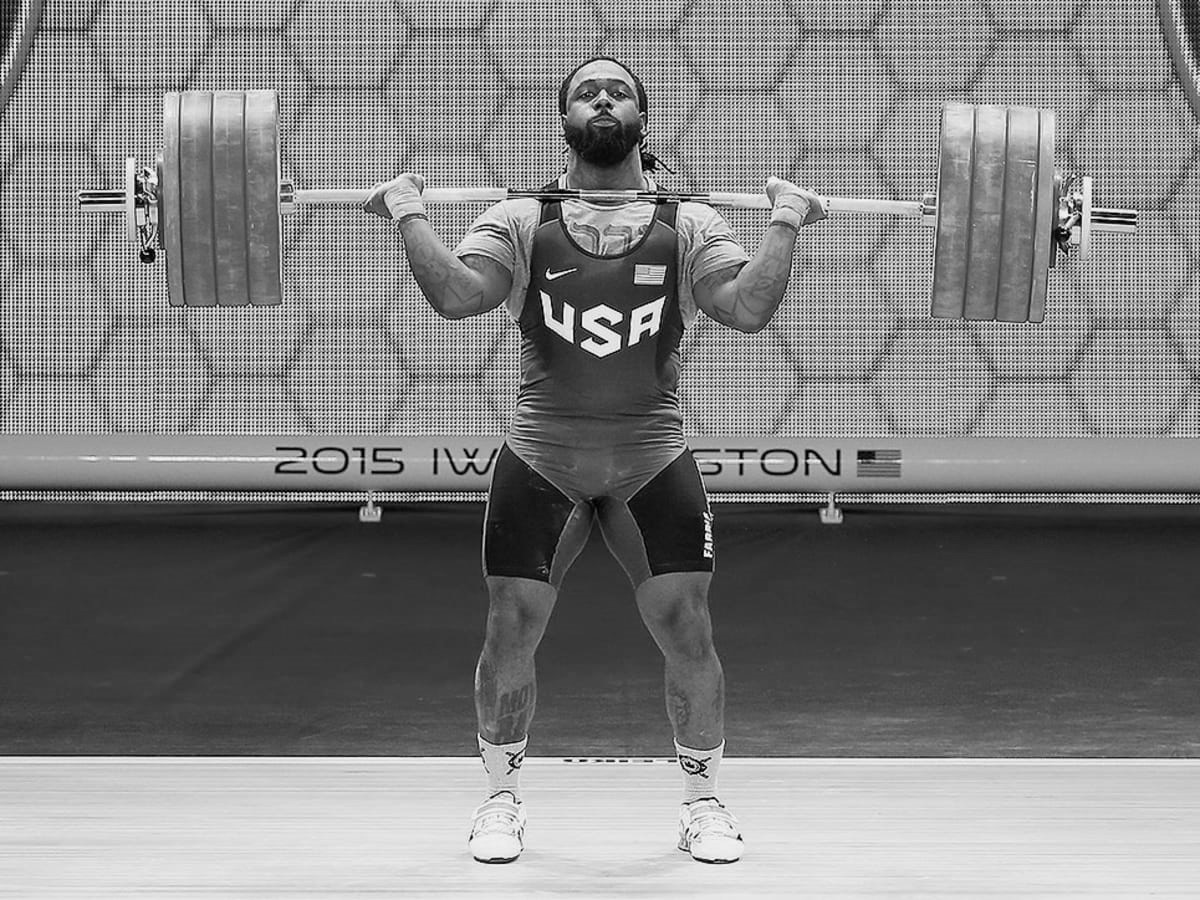
The overhead press (OHP) is a foundational movement with diverse variations used across Olympic weightlifting and strongman competitions. In Olympic lifting, overhead pressing strength underpins the jerk portion of the clean and jerk, which demands explosive upper-body power and coordination. Strongman events feature unique variations such as the axle press, which challenges grip strength with its thicker bar, and the log press, which requires athletes to clean and stabilize an awkwardly shaped log overhead. These variations not only build shoulder strength and stability but also develop core strength and functional upper-body power, making the overhead press a crucial tool for building strength across many athletic disciplines.
Technique & Variations
Overhead Press
The overhead press (OHP) is a weightlifting exercise in which a barbell or pair of dumbbells is pressed from shoulder height to an overhead position. It is performed to develop strength in the shoulder muscles (deltoids), triceps, and upper chest. The lifter starts with the weight racked at shoulder level, either standing or seated, and presses it straight up until the arms are fully extended overhead, keeping the bar path close to the face. In the strict version, the legs stay locked and the press is driven entirely by the upper body, emphasizing stability and control throughout the movement.
Pros
The overhead press (OHP) is a cornerstone of strength training, prized for its effectiveness in developing shoulder strength and muscle mass. By targeting the deltoids, triceps, and upper chest, it not only builds overall upper-body strength but also improves shoulder stability and mobility. Because the core must stay engaged to stabilize the torso throughout the movement, the OHP also promotes better posture and balance. Its versatility allows for variations such as the seated press, the standing strict press, and the push press, which uses a slight dip and drive of the legs to move heavier loads once strict pressing strength stalls. Beyond muscle development, mastering the OHP builds functional strength for everyday tasks and for sports that involve pushing overhead. As a compound exercise, it challenges multiple muscle groups at once, making it an essential part of any well-rounded strength routine.
Cons
While the overhead press (OHP) offers numerous benefits, there are a few considerations to keep in mind. First, it can place significant stress on the shoulder joints, particularly when performed with improper form or excessive weight, which may lead to injury. Individuals with pre-existing shoulder issues or limited mobility may also find the OHP uncomfortable or difficult. The lift demands adequate core strength and stability to maintain proper posture, which can be challenging for beginners or those with a weaker core. In addition, variations like the standing OHP can aggravate lower-back strain if the torso is allowed to overextend. Finally, as with any strength exercise, overtraining or poor progression can lead to fatigue or muscle imbalances when not balanced with adequate rest and recovery.
Axle Press
The axle press is a strongman and weightlifting exercise in which the competitor lifts a thick, cylindrical bar known as an axle. Unlike a traditional barbell, an axle has no rotating sleeves, so the weight cannot spin freely, making it harder to grip and stabilize during the lift. Athletes typically perform the axle press by cleaning the bar to shoulder height and then pressing it overhead to lockout; because the bar will not rotate, many lifters use a continental clean, rolling it up the torso in stages. This exercise tests upper-body strength, particularly in the shoulders and triceps, while also demanding significant grip strength because of the bar's thicker diameter. Axle presses are a staple of strongman competition as a test of overall strength and functional power, requiring athletes to demonstrate both strength and control to complete the lift.
Pros
The axle press offers several advantages in strength training and strongman competition. First, it significantly improves grip strength thanks to the thicker bar diameter, building overall hand and forearm strength. The exercise also targets the shoulders (deltoids), triceps, and upper chest, promoting upper-body muscle development and strength. As a functional movement, the axle press mirrors real-world lifting, making it valuable for athletes and anyone who needs to hoist and push heavy objects overhead. It challenges core stability and coordination, requiring the lifter to maintain balance and control throughout the lift. Finally, the axle press adds variety to a training routine, offering a unique challenge compared with standard barbell work and contributing to well-rounded strength and performance.
Cons
Despite its benefits, the axle press has some drawbacks to consider. First, the thicker diameter of the axle can be harder to grip and control, especially for lifters with smaller hands or weaker grip strength, which may limit the amount of weight lifted compared with a standard barbell press. The fixed, non-rotating nature of the axle can also increase strain on the wrists and elbows during the lift, potentially causing discomfort or injury if technique is poor. The unique mechanics of the axle press take more practice to master than traditional barbell exercises, making it less approachable for beginners or those unfamiliar with strongman training. Finally, because it is so specific to strongman competition, the axle press is not as commonly practiced or programmed into general strength-training routines as other lifts.
Equipment
As your overhead pressing strength increases, supportive equipment becomes extremely beneficial: it improves safety and helps minimize the risk of injury. Common pieces include a weightlifting belt, lifting straps, knee wraps, knee sleeves, a squat suit, chalk, and more.
Weightlifting Belt
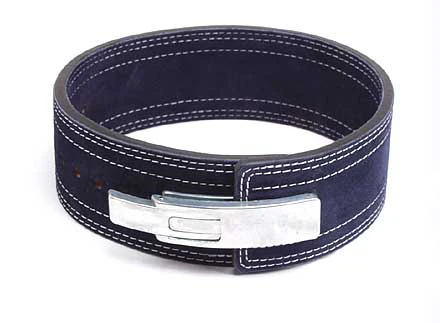
A weightlifting belt is one of the essentials for the OHP, helping to stabilize the spine throughout the movement. When you brace your core against the belt, it raises intra-abdominal pressure and gives your midsection something to push against, adding further support to the spine under heavy loads. Some good brands include SBD and Inzer.

Knee Wraps / Sleeves
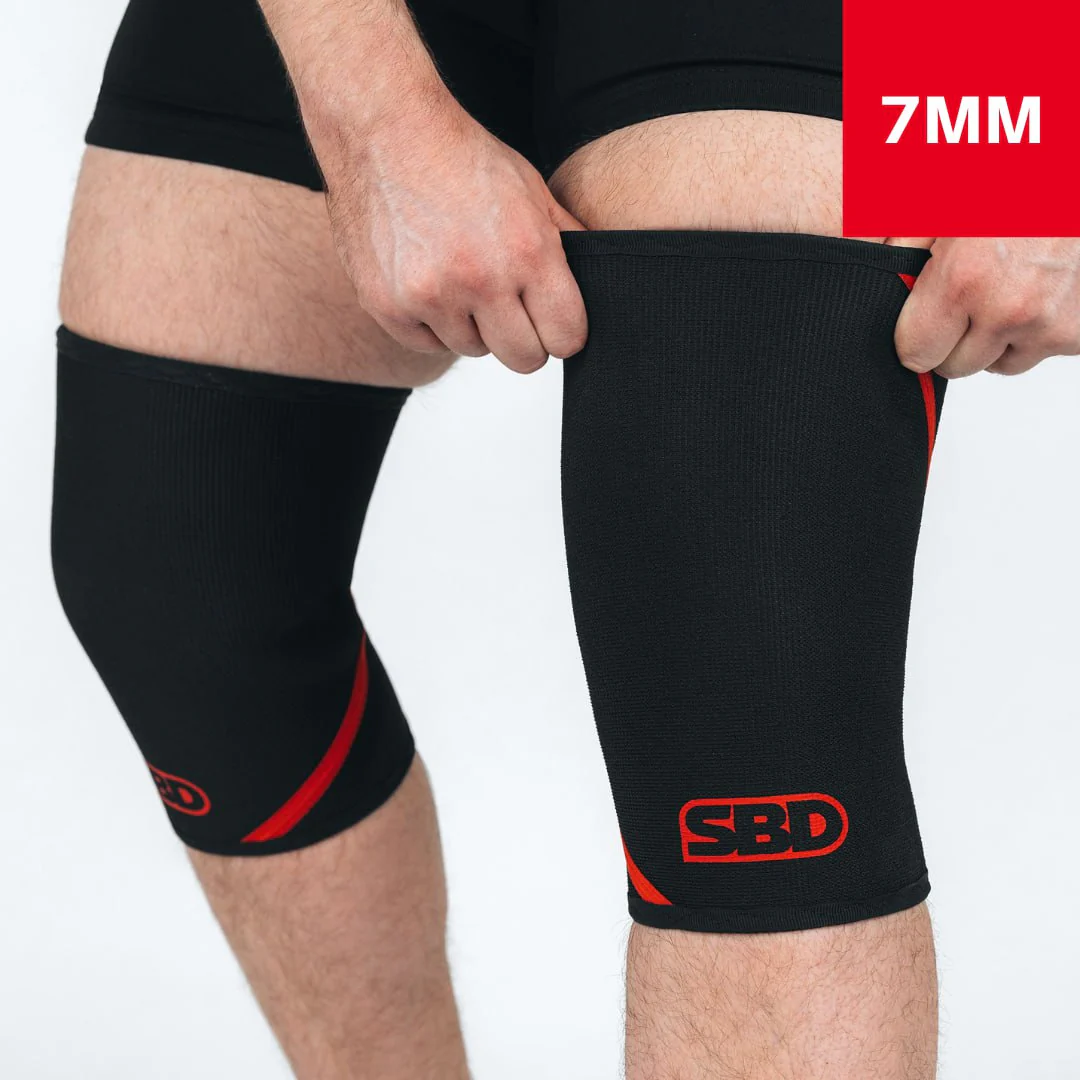
Knee wraps and sleeves are useful supportive gear, especially for variations like the push press where the legs drive the bar. They provide support to the knee during the movement. Sleeves and wraps differ: a knee sleeve provides a fixed amount of compression and warmth, while a knee wrap can be cinched as tight as you like to store and return more elastic energy out of the bottom. Some good brands for knee wraps and sleeves are SBD and Inzer.
SBD Knee Sleeves
Check Out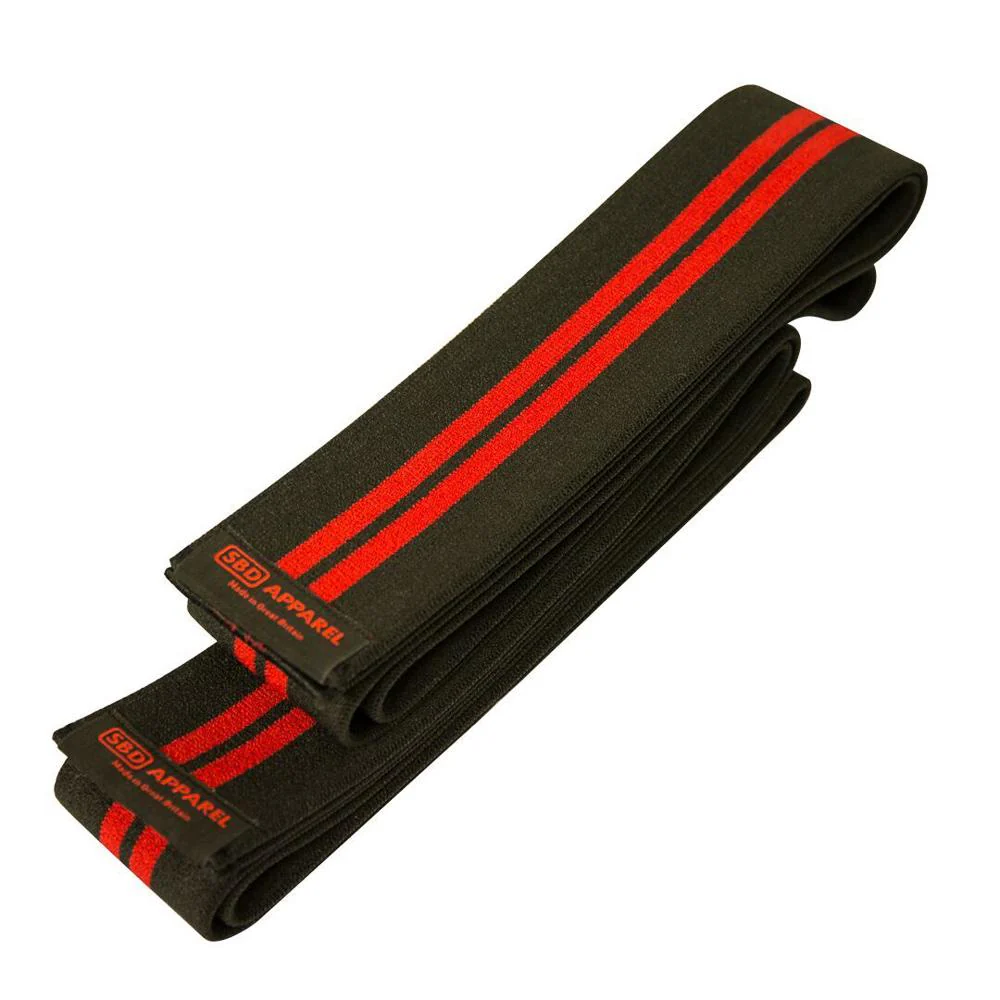
SBD Knee Wraps
Check Out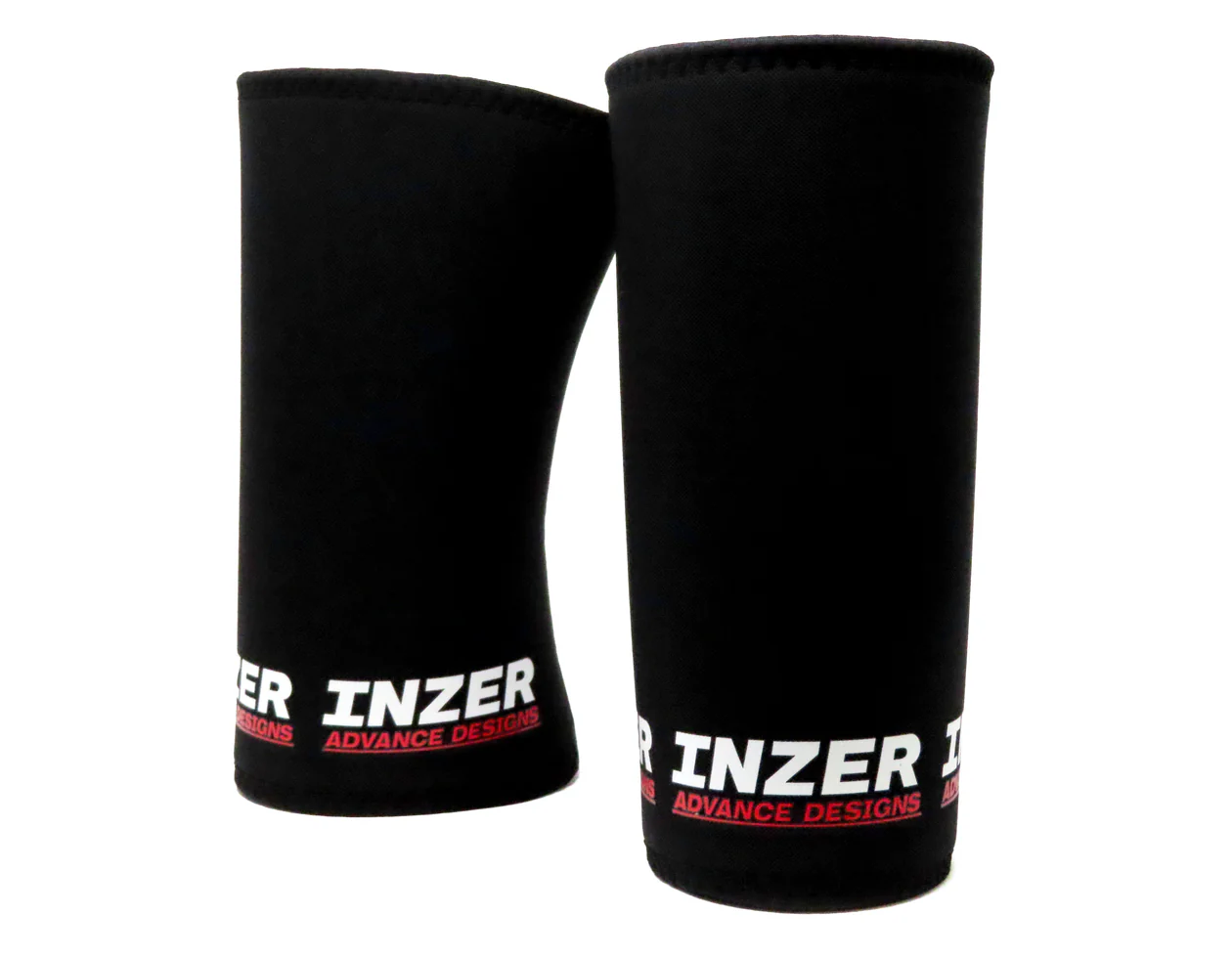
Inzer Knee Sleeves
Check OutAny brand works
Even cheap ones on Amazon do the job just fine.
Wrist Wraps
Wrist wraps can be very beneficial on pressing movements. The wrists are under constant tension during the OHP, even with proper form. A wrist wrap helps keep the wrist straight and provides structural support throughout the movement, reducing the tendency for the joint to bend back under load. On heavier weights, they are almost essential.
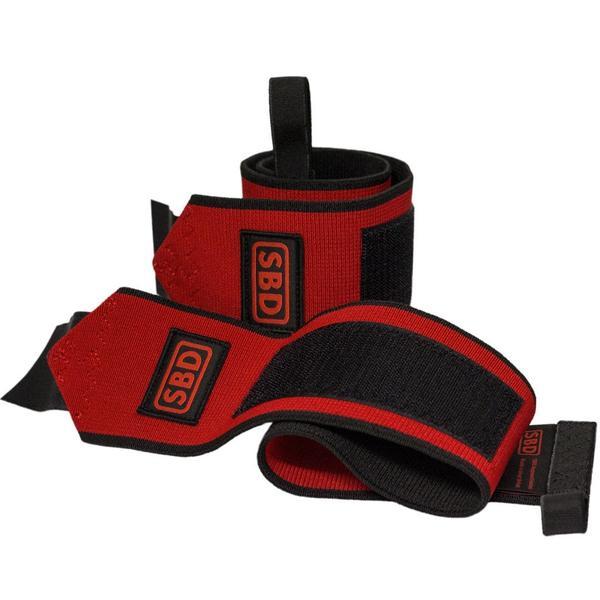
SBD Wrist Wraps
Check OutAny brand works
Even cheap ones on Amazon do the job just fine.
Bracing & Breathing
Bracing
Bracing is a very important part of any compound movement, and especially the OHP. It involves creating intra-abdominal pressure by taking a deep breath into the belly and tightening the core muscles (including the abdominals, obliques, and lower-back muscles) before pressing or exerting force. This pressure acts like an internal "weight belt," supporting the spine and reducing the risk of injury by keeping it in a stable, neutral position throughout the lift.
90/90 Breathing
90/90 breathing is a specific breathing drill designed to enhance diaphragmatic breathing, improve core stability, and promote proper ribcage and pelvic alignment. Performed lying on your back with the hips and knees bent to 90 degrees, it teaches you to breathe into the belly rather than the chest. The technique is commonly used in physical therapy, strength training, and rehabilitation to correct breathing patterns and improve overall movement efficiency, and it is a great way to reinforce the bracing and spinal support you rely on when weightlifting.
Featured OHP Programs
Frozenkilt 8 Week Overhead Press Program
- 8 weeks
- Intermediate
- Bench-focused
StrongLifts 5×5 Workout Program
- Beginner
- All main lifts
- Linear periodization
Starting Strength Routine Program
- Beginner
- All main lifts
- Linear periodization
Jim Wendler's 5/3/1 Workout Program Spreadsheets
- 3 weeks
- Intermediate
- All main lifts
Texas Method Program Tips and Spreadsheet Template
- Ongoing / weekly
- Intermediate
- All main lifts
Madcow 5×5 Program Spreadsheet (Intermediate + Advanced)
- Intermediate–Advanced
- All main lifts
- Linear periodization
 Iron Library