What is a Deadlift?
The deadlift is a fundamental compound exercise renowned for its ability to develop full-body strength, power, and muscular endurance. It is a staple in weightlifting, powerlifting, and general strength training routines due to its effectiveness in targeting multiple muscle groups and promoting functional strength.
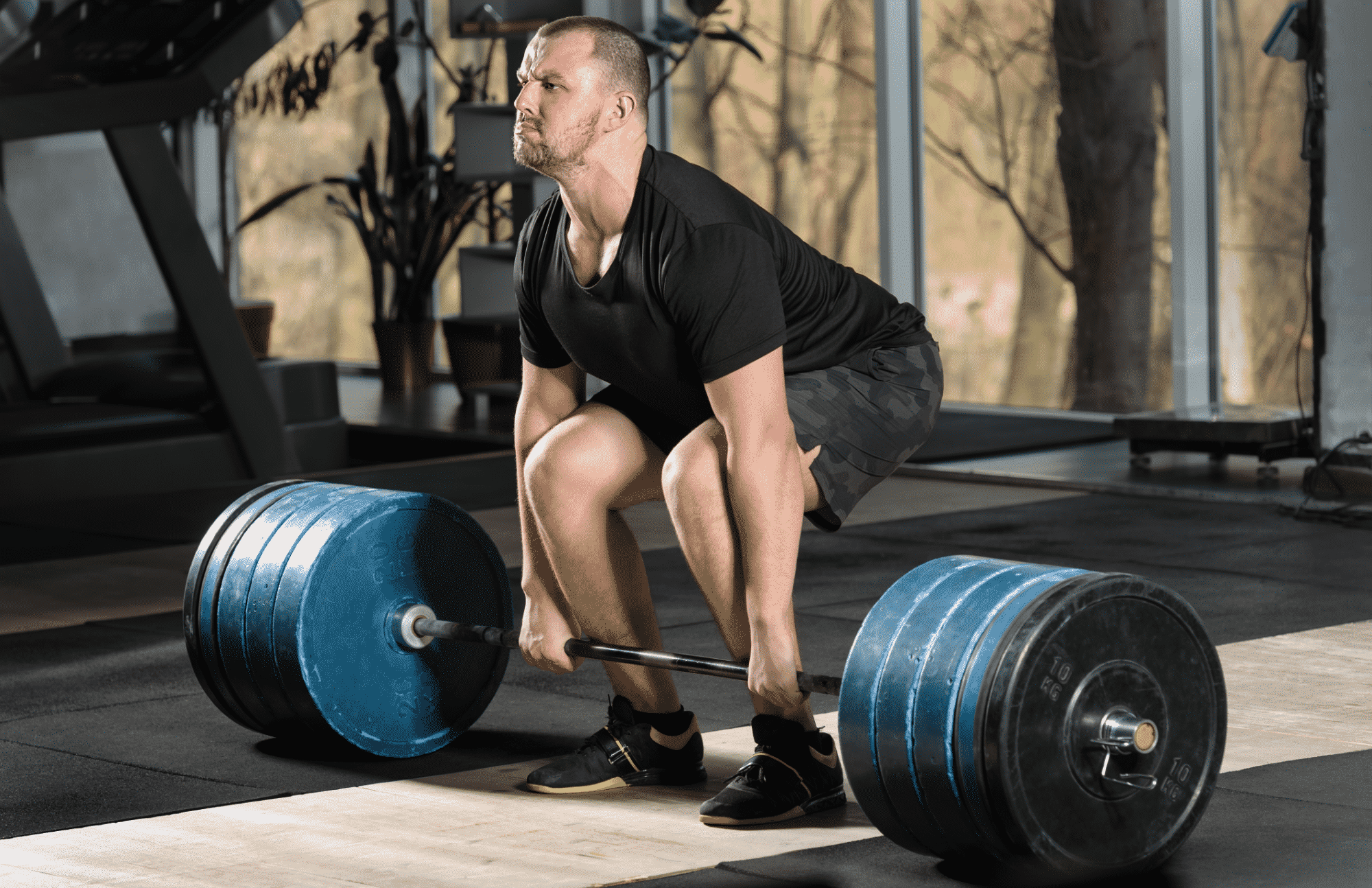
The deadlift is a weightlifting exercise where a loaded barbell or other weighted implement is lifted off the ground from a static position. The movement primarily involves extending the hips and knees to lift the weight, with the spine maintaining a neutral position throughout. The name "deadlift" comes from the starting position of the barbell on the ground, resembling lifting something "dead" without momentum.
While there are many variations of the deadlift using different bars and setups, the two main variations are the conventional deadlift and the sumo deadlift. Both are effective in their own ways, but they hold key differences in stance, form, difficulty level, and the muscle groups they emphasize. To set up for either, position the bar over the mid-foot, hinge at the hips to grip it, set a neutral spine, and brace before driving the floor away.
Conventional vs Sumo
Conventional
The conventional deadlift involves lifting a loaded barbell from the ground to a standing position. It is called "conventional" to distinguish it from other deadlift variations, such as the sumo deadlift. In the conventional deadlift, the lifter's feet are positioned roughly hip-width apart, and the hands grip the bar just outside the knees. Because the hands are placed outside a narrow stance, the torso leans farther forward and the lift relies heavily on the back, hips, and hamstrings.
Pros: The conventional deadlift is a fundamental exercise known for its ability to build overall body strength, particularly in the posterior chain, which includes the lower back, glutes, and hamstrings. Its straightforward setup, with feet hip-width apart and hands gripping the bar just outside the knees, makes it accessible for many lifters. This variation emphasizes the lower back and hamstrings, promoting significant muscle hypertrophy and strength gains in these areas. Additionally, the conventional deadlift improves functional fitness, aiding in everyday movements involving lifting and carrying heavy objects, and reinforces proper spinal alignment and core stability, which can enhance posture and reduce back pain.
Cons: However, the conventional deadlift also presents challenges. The lift places considerable stress on the lower back, which can increase the risk of injury if not performed with proper form. Lifters with mobility issues or longer legs may find the conventional deadlift difficult to perform due to the greater range of motion required. Moreover, maintaining a neutral spine throughout the lift is crucial but can be challenging, especially with heavier weights. The grip can also become a limiting factor, as the hands may struggle to hold the bar securely during heavy lifts.
Conventional Deadlift Form
Sumo
The sumo deadlift is a variation of the conventional deadlift that changes the positioning of the feet and hands, leading to different muscle engagement and mechanics. The lifter takes a wide stance with the toes pointed out and grips the bar with the hands inside the knees. This produces a more upright torso and a shorter range of motion, making it particularly beneficial for those who find the conventional deadlift challenging due to mobility or body mechanics.
Pros: The sumo deadlift offers several advantages, particularly for those looking to reduce strain on the lower back and emphasize hip and leg strength. Its shorter range of motion and more upright torso position make it easier on the lower back, making it suitable for individuals with back issues. Additionally, the wide stance targets the glutes, hamstrings, quadriceps, and adductors more effectively, benefiting athletes focused on these areas. Lifters with longer torsos or shorter arms may also find the sumo deadlift more comfortable due to improved leverage. Moreover, incorporating sumo deadlifts into a training routine provides valuable variation, helping to prevent plateaus and stimulate muscle growth through different movement patterns.
Cons: However, the sumo deadlift has its drawbacks. It requires good hip mobility, which can be challenging for those with tight hips or hip joint issues. The closer hand placement can also pose grip challenges, especially for those with smaller hands or weaker grip strength. The sumo deadlift has a steeper learning curve compared to the conventional deadlift, necessitating more practice to master. Additionally, the strength gained from sumo deadlifting may not directly translate to improvements in the conventional deadlift, and the wide stance can be impractical in crowded gyms or limited workout areas.
Sumo Deadlift Form
Bracing & Breathing
Bracing
Bracing is a very important part of compound movements, especially the deadlift. Bracing involves creating intra-abdominal pressure by taking a deep breath into the belly and tightening the core muscles (including the abdominal muscles, obliques, and lower back) before lifting or exerting force. This pressure acts like an internal "weight belt," supporting the spine and reducing the risk of injury by maintaining a stable, neutral spinal position throughout the lift. A strong brace also gives you a rigid trunk to transfer force more efficiently from the floor to the bar.
90/90 Breathing
90/90 breathing is a specific breathing exercise designed to enhance diaphragmatic breathing, improve core stability, and promote proper ribcage and pelvic alignment. This technique is often used in physical therapy, strength training, and rehabilitation to correct breathing patterns and improve overall movement efficiency. This exercise is crucial for strengthening your bracing and spinal support when weightlifting, especially on the deadlift, both sumo and conventional.
Equipment
As your deadlift strength increases, equipment becomes extremely beneficial: it improves performance and safety while minimizing the risk of injury. Common pieces of equipment include a weightlifting belt, lifting straps, knee wraps, knee sleeves, a squat suit, and chalk.
Weightlifting Belt
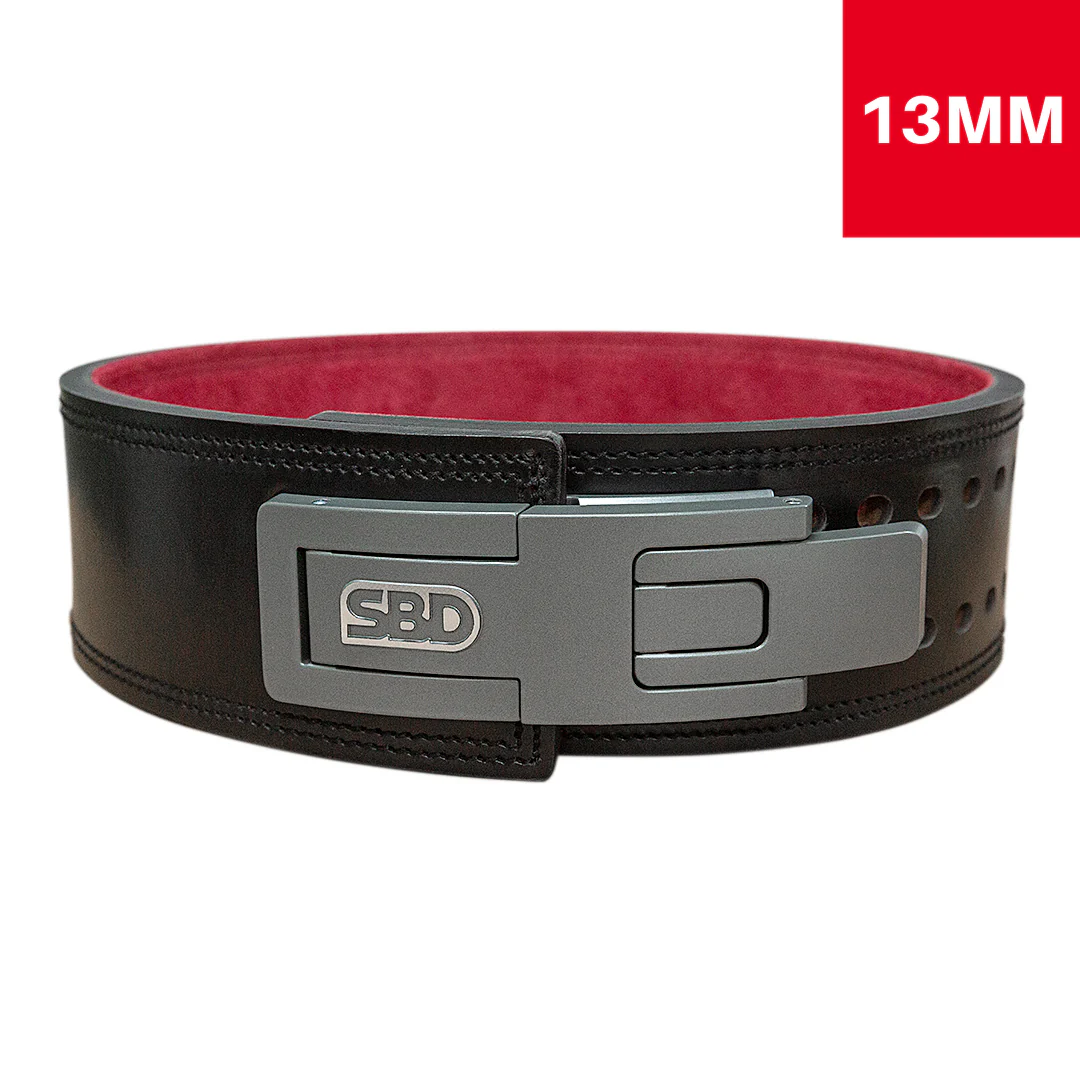
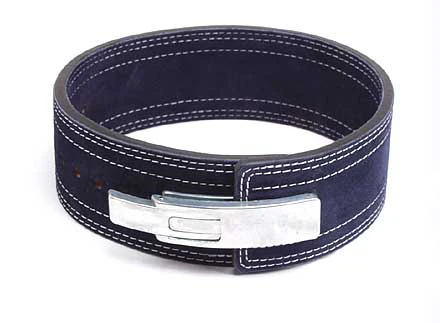
A weightlifting belt is one of the essentials for the deadlift. It helps stabilize the spine throughout the movement by giving your core something to push against when you brace, which raises intra-abdominal pressure and provides further spinal support. Some good brands include SBD and Inzer.
Knee Wraps / Sleeves
Knee wraps and sleeves provide support and warmth to the knees during the movement. The two do differ, however. A knee sleeve offers a fixed amount of compression and is mainly there for support and joint warmth, while a knee wrap can be wound as tightly as you want to store elastic energy and assist out of the bottom. Some good brands for knee wraps and sleeves are SBD and Inzer.
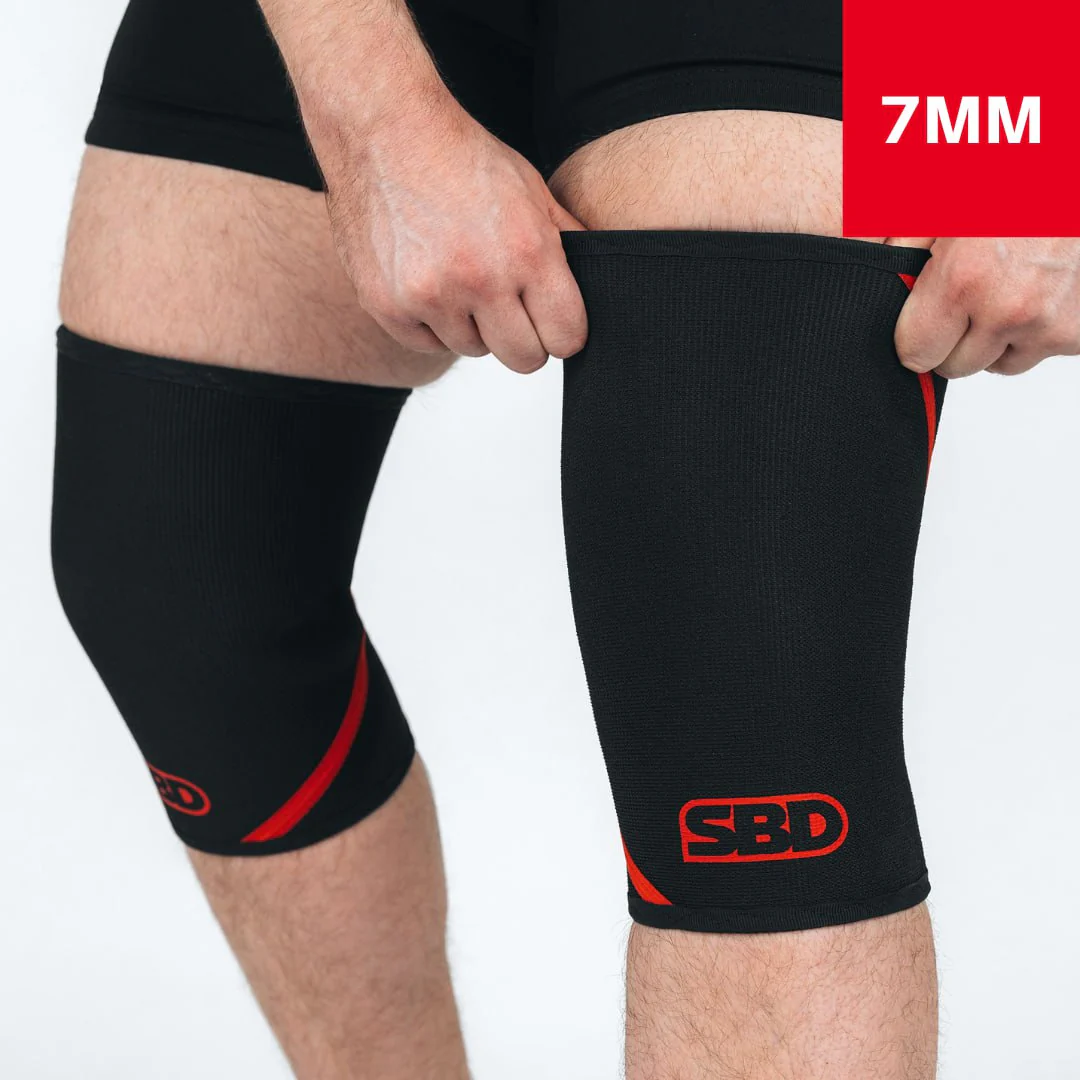
SBD Knee Sleeves
Check Out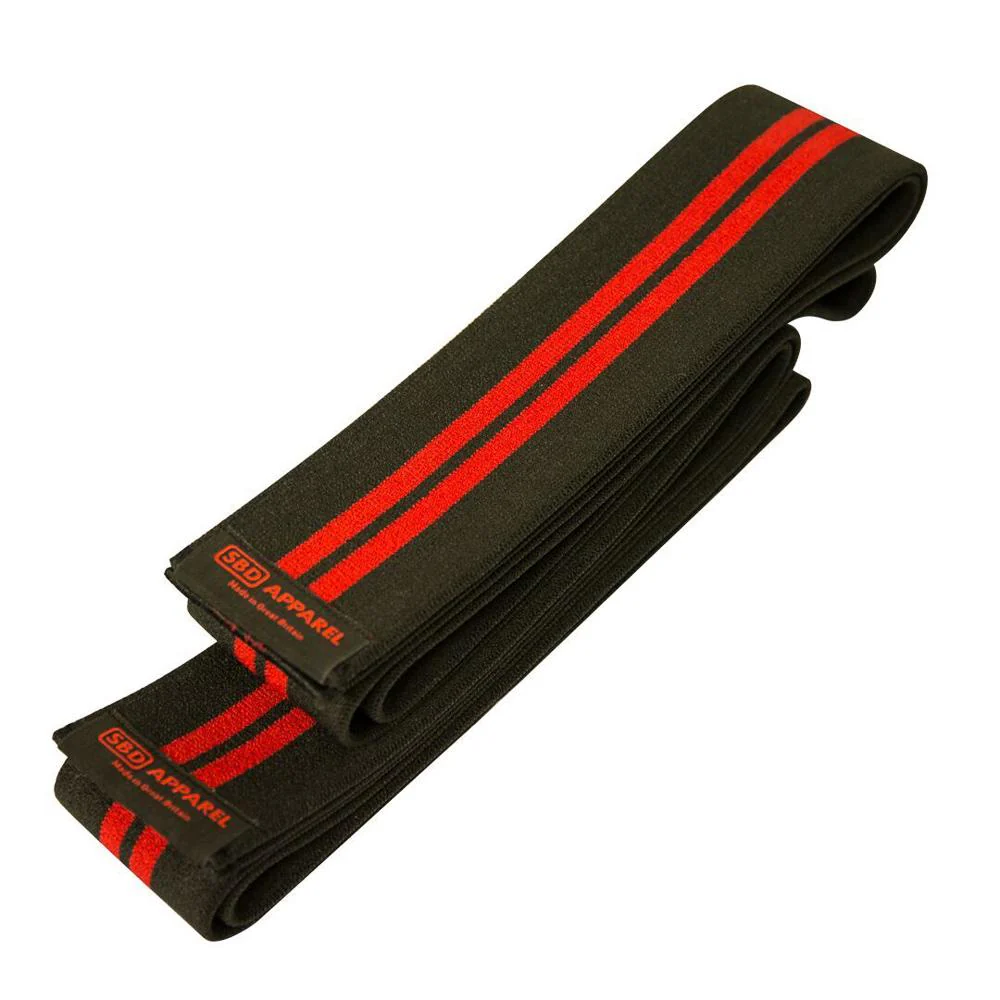
SBD Knee Wraps
Check Out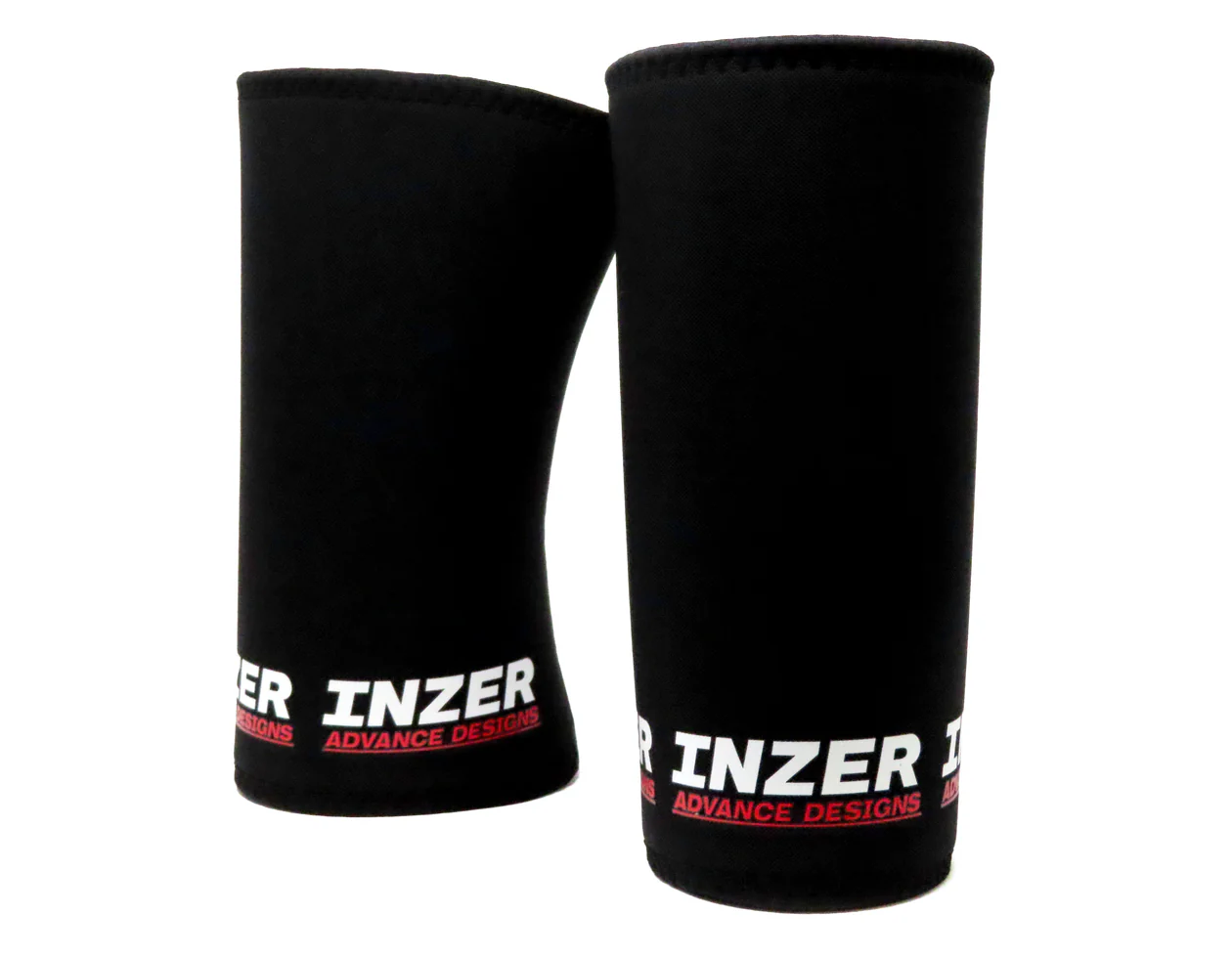
Inzer Knee Sleeves
Check OutAny brand works
Even cheap ones on Amazon do the job just fine.
Lifting Straps
Lifting straps can be very beneficial on the deadlift, although most people simply use chalk instead. A lifting strap removes most of the grip strength required to hold the bar. The strap is anchored around your wrist and then wrapped around the bar, effectively tying your hand to the bar so it stays secured with little grip strength of your own. This makes lifting straps useful for those who want a break from gripping the bar or don't yet have the grip strength to hold it through a heavy deadlift. Lifting straps come in two main kinds: regular straps and figure-eight straps. While both work the same way, the figure-eight is often preferred among competitors because it is faster to set up. SBD and Inzer are great brands, but really any brand will work; it's hard to mess up a lifting strap.
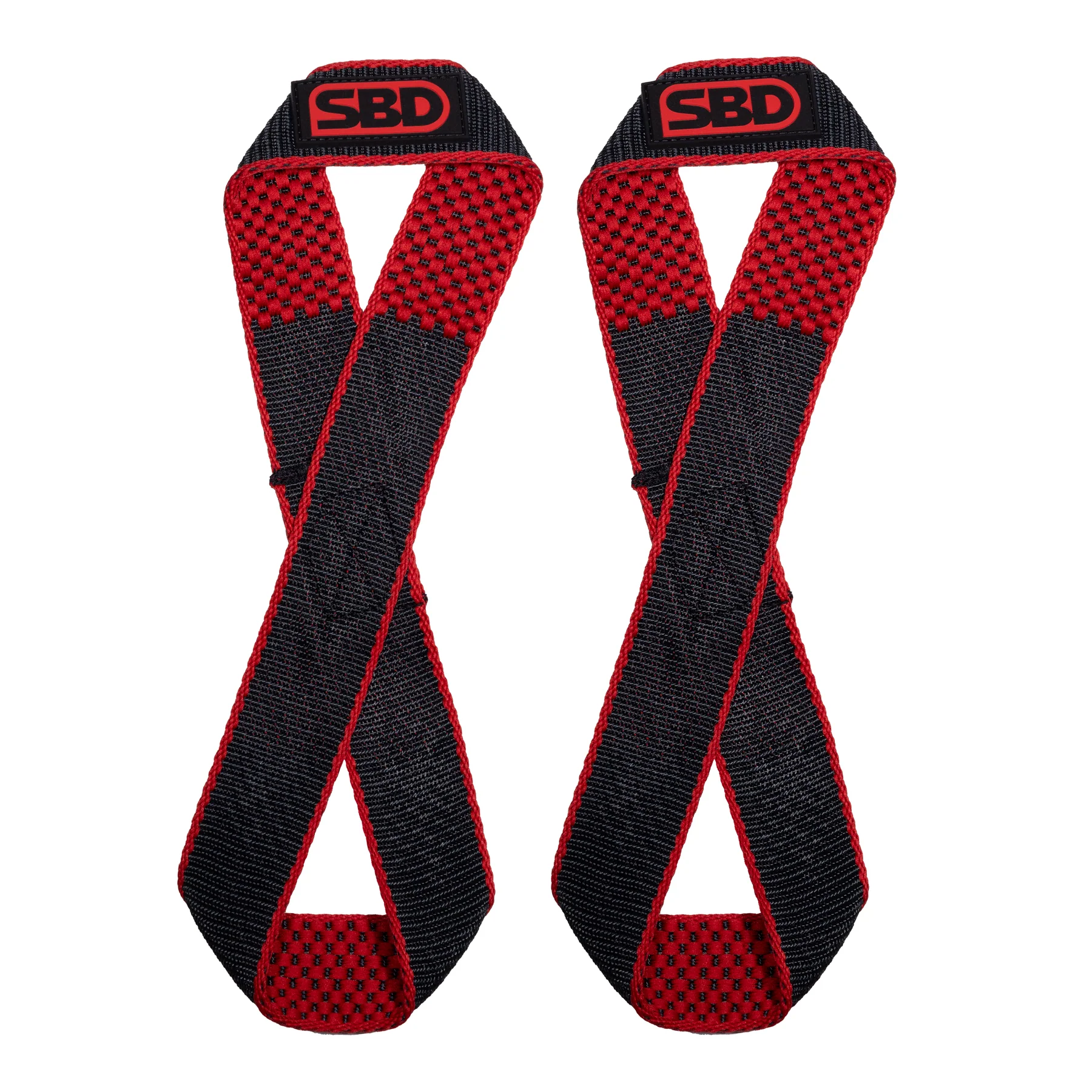
SBD Lifting Straps
Check OutAny brand works
Even cheap ones on Amazon do the job just fine.
Featured Deadlift Programs
Candito 10 or 14 Week Advanced Deadlift Program
- 10 weeks
- Intermediate–Advanced
- Deadlift-focused
Ed Coan Deadlift Program
- 10 weeks
- Intermediate
- Deadlift-focused
Mag Ort Deadlift Program
- 12 weeks
- Intermediate–Advanced
- Deadlift-focused
Vince Anello 14 Week Deadlift Program
- 14 weeks
- Intermediate
- Deadlift-focused
SSPT Deadlift Singles Program
- 11 weeks
- Intermediate–Advanced
- Deadlift-focused
12 Week Strongman Deadlift Program
- 12 weeks
- Intermediate
- Deadlift-focused
 Iron Library