What is the Bench Press?
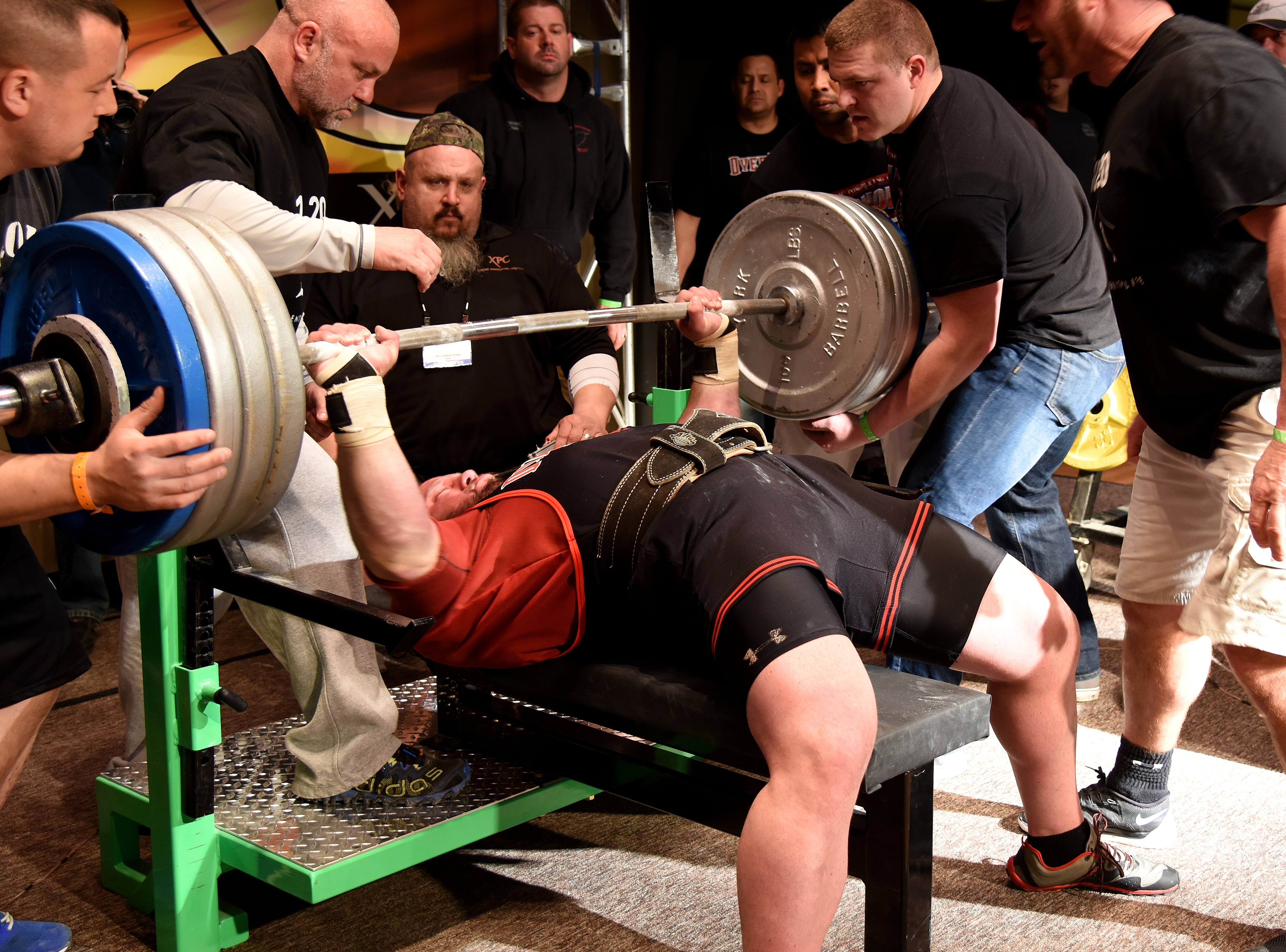
The bench press is a classic and fundamental strength-training exercise that primarily targets the muscles of the chest, shoulders, and triceps. It's a compound movement, meaning it engages multiple joints and muscle groups simultaneously, which makes it an efficient way to build overall upper-body strength and muscle mass. Performed lying on a flat bench, you lower a loaded barbell to your chest and press it back to full arm extension.
Pros
The bench press stands as a foundational exercise in strength training, offering a multitude of benefits. One of its primary advantages lies in its effectiveness in developing upper body strength and muscle mass. By primarily targeting muscles such as the chest, shoulders, and triceps, the bench press aids in sculpting a well-rounded physique. Moreover, its compound nature engages multiple joints and muscle groups simultaneously, promoting functional strength that translates to real-life activities and athletic performance. This versatility makes it a staple in strength and conditioning programs across various sports, enhancing athletes' power, explosiveness, and overall physical performance. Additionally, the bench press contributes to bone health and joint stability, as weight-bearing exercises stimulate bone growth, and strengthening the muscles surrounding the shoulder joint can reduce the risk of injuries over time.
Cons
Despite its numerous benefits, the bench press poses certain risks if not performed with proper technique and caution. One significant concern is the potential for injury, particularly to the shoulders and lower back. Incorrect form, such as arching the back excessively or bouncing the bar off the chest, can strain these vulnerable areas and lead to acute or overuse injuries. Moreover, lifting excessively heavy weights without adequate preparation or progression may increase the risk of muscle strains, joint stress, and even more severe injuries. Therefore, it's crucial for individuals to prioritize safety by mastering proper technique, using appropriate weight loads, and incorporating safety measures such as having a spotter or utilizing safety equipment like racks or safety pins. By addressing these concerns and practicing responsible training habits, individuals can reap the benefits of the bench press while minimizing the associated risks.
Form & Technique
- Lie down on the bench and position yourself so that, when you look up, the bar is in line with your eyes. Place your hands on the bar about 1.5 times your shoulder width apart. Set the bar across the base of your palms, stacked over your forearms. Your wrists should not be bent back, but kept straight and upright so the load travels through your forearm rather than your hand.
- Now retract your shoulder blades and push your chest up. Pull the top of your back down the bench toward your hips without moving the lower half of your body. You'll notice a slight arch form in your back. This arch puts your shoulders in their safest, most stable position and brings your chest into the optimal position to be targeted throughout the movement, while also shortening the distance the bar has to travel.
- Plant your feet firmly and grip the floor with your toes. Imagine you are trying to rip the floor up with your toes. This gives you stability throughout the movement. With your feet and legs set in this position, you can use a technique called leg drive. By pressing your feet into the floor, you create upward force that helps drive the bar out of the bottom of the movement. Powerlifters rely on this to move heavier weight. If you aren't trying to maximize the load lifted, leg drive isn't necessary for a normal bench press; simply use your legs and feet for stability.
- Next, set your elbows and upper arms at roughly a 45-degree angle to your torso; never let them flare straight out to the sides at 90 degrees. Tucking your elbows to about 45 degrees keeps your shoulders and pecs in a safe, strong position and minimizes the risk of injury.
- Now brace and unrack the bar. Begin to lower it slowly and under control. At the bottom of the movement, the bar should touch the lower portion of your chest, at or just below the nipple line. You can experiment to find where the bottom position feels best for you. From there, press the bar back up until your arms are fully extended.
- Note that, viewed from the side, the bar path on a bench press is slightly curved rather than perfectly vertical. It starts over your shoulders, travels down to your lower chest, and presses back up and slightly toward your face. Keep this bar path in mind as you perform the movement.
Equipment
As your bench strength increases, equipment can become extremely beneficial, improving safety and minimizing the risk of injury. Some of the most common pieces of gear include wrist wraps, elbow wraps, elbow sleeves, chalk, and a weightlifting belt.
Weightlifting Belt
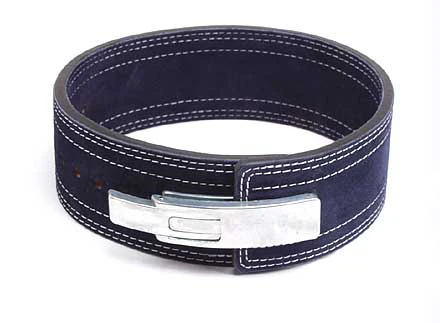
While a weightlifting belt is used less often on the bench press than on the squat or deadlift, some lifters wear one for very heavy weights to gain extra spinal support. The belt helps stabilize your spine throughout the movement by giving your core something to push against when you brace, which increases intra-abdominal pressure and keeps your torso tight. Some good brands include SBD and Inzer.

Elbow Wraps/Sleeves
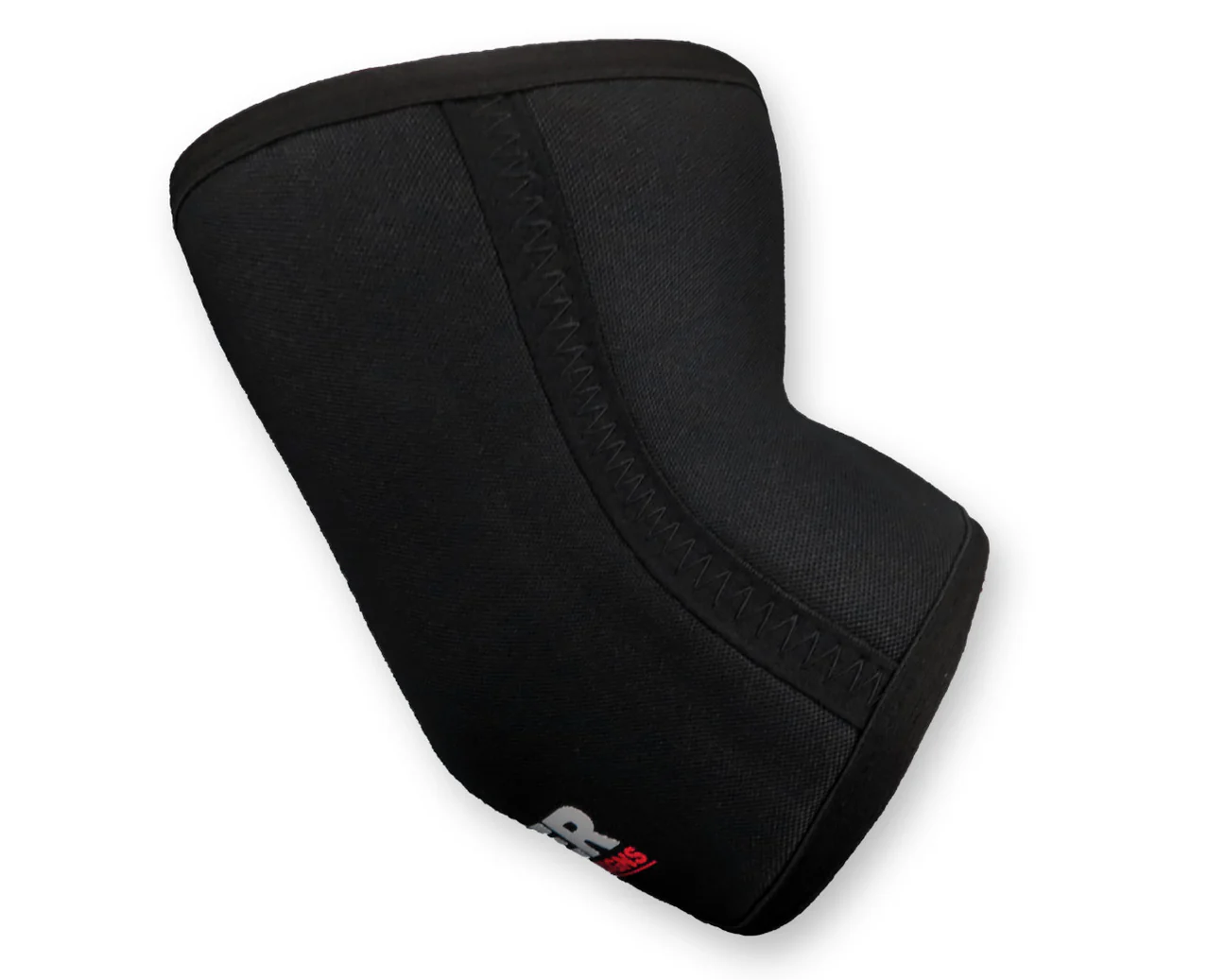
Elbow wraps and sleeves can be very helpful on the bench press, providing support and warmth to the elbow joint throughout the movement. The two do differ: an elbow sleeve provides a fixed amount of compression, while an elbow wrap can be wound as tightly as you like to add more support and stored rebound out of the bottom. Some good brands for elbow wraps and sleeves are SBD and Inzer.
Inzer Elbow Sleeves
Check Out
SBD Elbow Sleeves
Check OutAny brand works
Even cheap ones on Amazon do the job just fine.
Wrist Wraps
Wrist wraps can be very beneficial on the bench press. The wrists are under constant tension when pressing, even with proper form. A wrist wrap helps keep your wrist straight and stacked over your forearm, providing structural support throughout the movement and reducing the chance of the wrist bending back under load. On heavier weights they become almost essential.
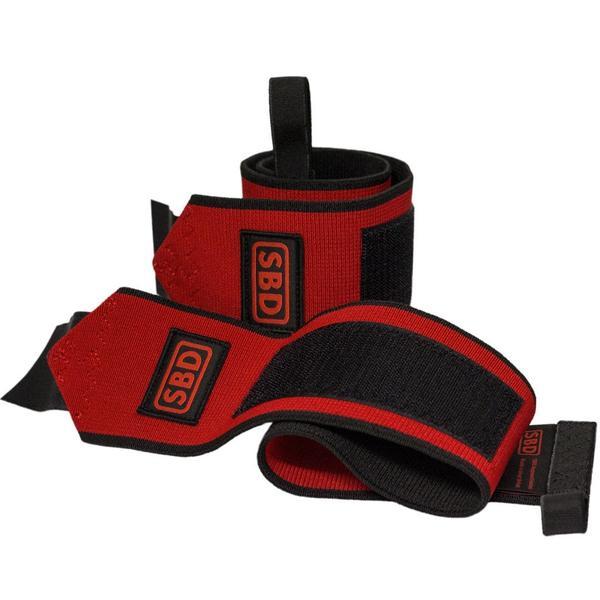
SBD Wrist Wraps
Check OutAny brand works
Even cheap ones on Amazon do the job just fine.
Bracing & Breathing
Bracing
Bracing is a very important part of every compound movement, and the bench press is no exception. Bracing involves creating intra-abdominal pressure by engaging and tightening your core muscles (including the abdominals, obliques, and lower-back muscles) before you lift or exert force. This pressure acts like an internal "weight belt," supporting the spine and reducing the risk of injury by maintaining a stable, neutral spinal position. On the bench, a strong brace also helps you stay tight and connected to the bench, giving you a more solid base to press from.
90/90 Breathing
90/90 breathing is a specific breathing exercise designed to enhance diaphragmatic breathing, improve core stability, and promote proper ribcage and pelvic alignment. This technique is often used in physical therapy, strength training, and rehabilitation to correct breathing patterns and improve overall movement efficiency. This exercise is crucial to strengthening your bracing and spinal support when weight lifting, especially on the squat both high and low bar.
Featured Bench Programs
Smolov Program and Smolov Jr Bench and Squat Program Spreadsheets
- 13 weeks
- Advanced
- Bench-focused
Candito 6 Week Advanced Bench Press Program
Mdisbrow Deathbench 10 Week Bench Press Program Spreadsheets (Original + Taper)
- 10 weeks
- Intermediate–Advanced
- Bench-focused
Cube Predator 6 Week Bench Program
- 6 weeks
- Intermediate
- Bench-focused
Benching the Monolith Program
- 6 weeks
- Intermediate
- All main lifts
Candito 6 Week + Advanced Bench Press Hybrid Program
- 6 weeks
- Intermediate–Advanced
- All main lifts
 Iron Library