The Difference Between Conventional & Sumo Deadlifts
When it comes to building strength, few exercises can match the deadlift. But one question continues to divide lifters in gyms everywhere: Should you pull conventional or sumo?
The truth is that neither variation is objectively better than the other. Both are excellent strength-building exercises, but they emphasize different mechanics, muscles, and body positions. Choosing the right one depends on your goals, body proportions, mobility, and personal preference.
What Is a Conventional Deadlift?
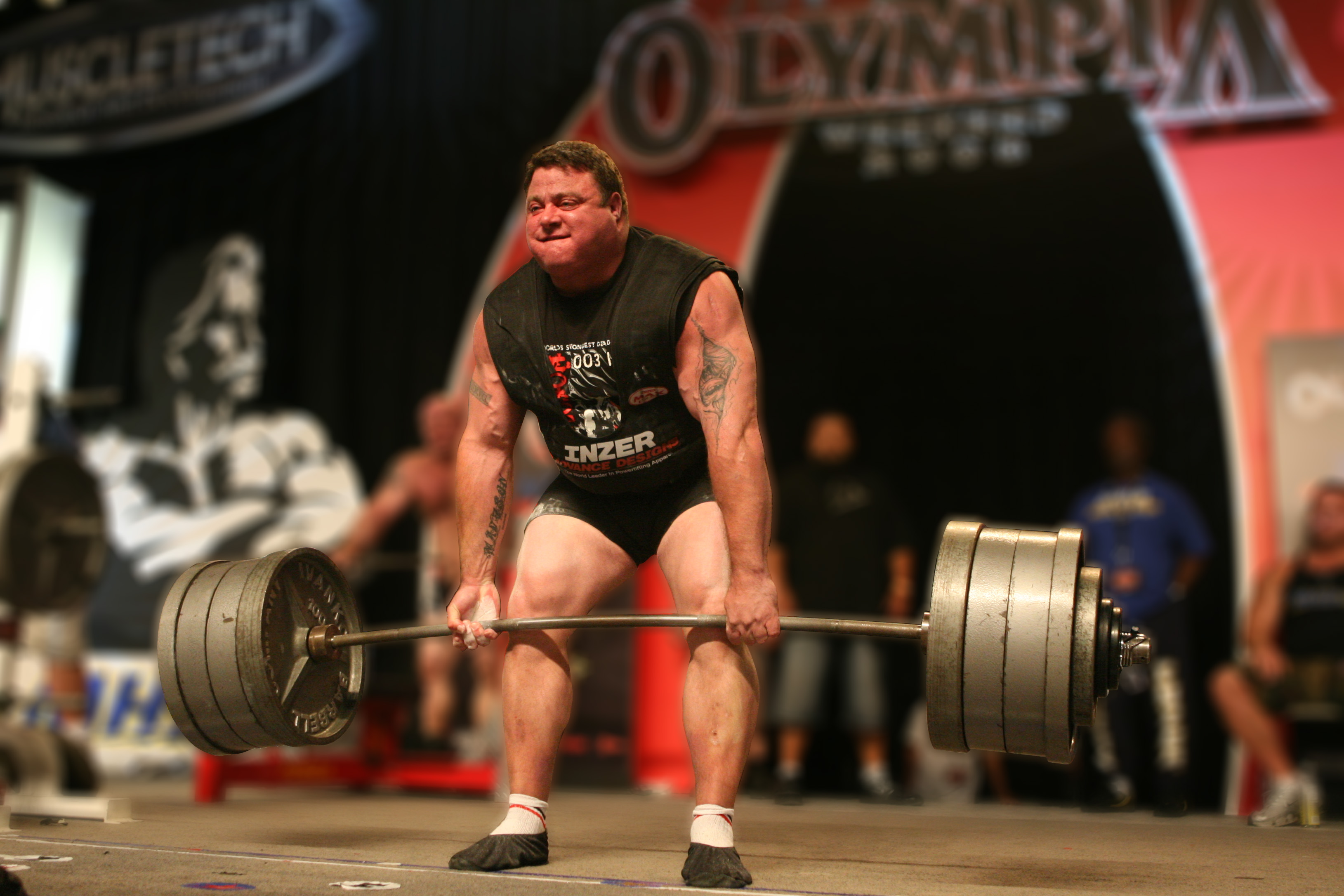
The conventional deadlift is the traditional version most people picture when they think of a deadlift.
Your feet are roughly hip-width apart, your hands grip the bar outside your legs, and your hips start higher than they would in a sumo deadlift. This creates a longer range of motion and requires significant involvement from the posterior chain.
Primary muscles worked:
Glutes
Hamstrings
Lower back
Upper back
Core
Grip strength
Because of the greater range of motion, conventional deadlifts demand more from the back and hamstrings, making them one of the best exercises for developing total-body strength and posterior chain power.
What Is a Sumo Deadlift?
The sumo deadlift uses a much wider stance with the hands positioned inside the knees.
This setup allows the lifter to begin with a more upright torso and a shorter distance to move the bar from the floor to lockout.
Primary muscles worked:
Glutes
Quadriceps
Adductors (inner thighs)
Core
Upper back
While the posterior chain is still heavily involved, the wider stance shifts more of the workload toward the legs while reducing the demands placed on the lower back.
Which Deadlift Builds More Strength?
Both conventional and sumo deadlifts are exceptional strength builders.
Research shows that neither style is universally superior for developing maximal strength. Instead, the strongest deadlift is usually the one that best suits your individual body mechanics.
However, each variation has slightly different advantages.
Conventional deadlifts tend to:
Build a stronger posterior chain
Improve overall pulling strength
Develop lower back and hamstring strength
Carry over well to athletic movements and general strength training
Sumo deadlifts tend to:
Allow many lifters to move heavier weights due to the shorter range of motion and more favorable leverage
Place less stress on the lower back
Emphasize the quads and hips more than the conventional pull
It's important to note that not everyone will lift more weight with sumo. Some lifters are naturally stronger pulling conventional, while others see immediate benefits from the wider stance. Factors like hip mobility, limb length, and torso proportions all play a role.
Muscle Differences
Although both lifts train nearly every major muscle in the body, the emphasis changes slightly.
Conventional Deadlift
Greater hamstring involvement
Increased lower back demand
More upper back engagement
Strong posterior chain development
Sumo Deadlift
Greater quadriceps contribution
Increased adductor activation
More upright torso position
Reduced lower back stress
Both variations heavily train the glutes and require significant core stability throughout the lift.
Which One Is Better for Beginners?
For beginners, the best deadlift is the one that can be performed with proper technique and consistency.
Many new lifters find conventional deadlifts easier to learn because the stance feels more natural. Others with limited hip mobility or longer legs may actually find sumo more comfortable.
Rather than forcing one style, it's worth trying both to determine which feels stronger, more comfortable, and allows you to maintain proper form.
Can You Do Both?
Absolutely.
Many experienced lifters include both variations in their training.
For example, you might use conventional deadlifts as your primary strength movement while incorporating sumo deadlifts as an accessory lift to improve hip strength and add training variety. Others alternate between the two during different training blocks to continue progressing while reducing repetitive stress.
Training both styles can help build a stronger, more balanced physique.
Which Deadlift Should You Choose?
Choose conventional deadlifts if your goal is to:
Build a stronger posterior chain
Improve overall pulling strength
Develop your hamstrings and lower back
Focus on general strength and athletic performance
Choose sumo deadlifts if your goal is to:
Find the strongest position for lifting maximal weight
Reduce stress on the lower back
Emphasize the quads and hips
Take advantage of leverage that may better suit your body type
Remember, lifting more weight with sumo isn't guaranteed. While many lifters benefit from the shorter range of motion, individual anatomy ultimately determines which style is strongest.
Final Thoughts
The debate between conventional and sumo deadlifts often makes it seem like one style is superior. In reality, both are highly effective exercises for building strength, muscle, and athletic performance.
Conventional deadlifts are often the better choice for developing a powerful posterior chain and well-rounded pulling strength, while sumo deadlifts can offer mechanical advantages that allow some lifters to lift heavier loads with less stress on the lower back.
Instead of worrying about which style is "better," focus on the variation that fits your body, your goals, and your lifting technique. Whether you pull conventional, sumo, or use both in your training, you'll be performing one of the most effective strength exercises available.
For more information on deadlifting, visit out deadlift page!
 Iron Library