Low Bar vs High Bar Squat - Which One Is Better?
When it comes to barbell squats, one debate never seems to go away: low bar vs high bar squats. While both variations are excellent for building lower-body strength and muscle, they have key differences in technique, muscle emphasis, and performance.
So, which squat is better? The answer depends on your goals.
What Is a High Bar Squat?
A high bar squat places the barbell on top of your upper traps, just below the base of your neck. This more upright position allows your knees to travel further forward while keeping your torso relatively vertical throughout the movement.
Because of this positioning, the high bar squat places a greater emphasis on the quadriceps, making it a popular choice for Olympic weightlifters and those looking to build balanced leg development.
What Is a Low Bar Squat?
In a low bar squat, the barbell rests a few inches lower across the rear delts rather than on top of the traps. This shifts your center of gravity backward, requiring you to lean your torso forward more during the squat.
The result is greater involvement from the glutes, hamstrings, and posterior chain, allowing many lifters to move heavier weights compared to the high bar squat.
Low Bar Squats Allow You to Lift More Weight
One of the biggest advantages of the low bar squat is its strength potential.
Since the movement recruits more of the powerful muscles in the posterior chain, including the glutes, hamstrings, and lower back, you'll often be able to squat more weight than with a high bar position. The shorter range of motion and improved leverage also contribute to higher loading potential.
This is one of the main reasons why powerlifters almost universally use the low bar squat in competition. The goal in powerlifting is simply to lift the most weight possible, and the low bar position provides a mechanical advantage that helps maximize performance.
High Bar Squats Are More Quad Focused
If your primary goal is building your quads, the high bar squat has the edge.
The upright torso position increases knee flexion, placing greater stress on the quadriceps while still training the glutes and other lower-body muscles. This makes high bar squats an excellent option for bodybuilders, Olympic lifters, and anyone looking to improve quad strength and size.
While you'll typically lift less weight than with a low bar squat, the increased quad involvement can make high bar squats highly effective for hypertrophy.
Stability and Comfort
Many lifters find the low bar squat feels more stable once they've mastered the technique. The lower bar position creates a more secure "shelf" across the rear delts, and the forward torso angle often feels stronger under heavy loads.
However, low bar squats require greater shoulder mobility to comfortably hold the bar. Beginners may initially find the position awkward until they develop the necessary mobility and technique.
High bar squats generally feel more natural for newer lifters because the bar rests comfortably on the traps. That said, some people find the higher bar position less stable under maximal loads, especially as the weight gets heavier.
Which Squat Should You Choose?
Neither squat is objectively better, they simply excel at different things.
Choose low bar squats if your goal is:
Maximize squat strength
Compete in powerlifting
Lift the heaviest weight possible
Emphasize the glutes and hamstrings
Choose high bar squats if your goal is:
Build bigger quads
Improve Olympic lifting performance
Maintain a more upright squat pattern
Prioritize overall leg development
Final Thoughts
Both low bar and high bar squats are fantastic exercises that deserve a place in strength training. Low bar squats generally allow you to lift more weight thanks to increased posterior chain involvement and better leverage, making them the preferred choice for powerlifters. High bar squats, on the other hand, place greater emphasis on the quads and promote a more upright movement pattern, making them ideal for muscle growth and athletic performance.
Ultimately, the best squat is the one that aligns with your training goals. Whether you're chasing a bigger total on the platform or building stronger, more muscular legs, both squat variations can be incredibly effective when performed with proper technique.
To learn more about Low Bar vs High Bar, check out our Squat page! We cover more information, videos and useful equipment to use!
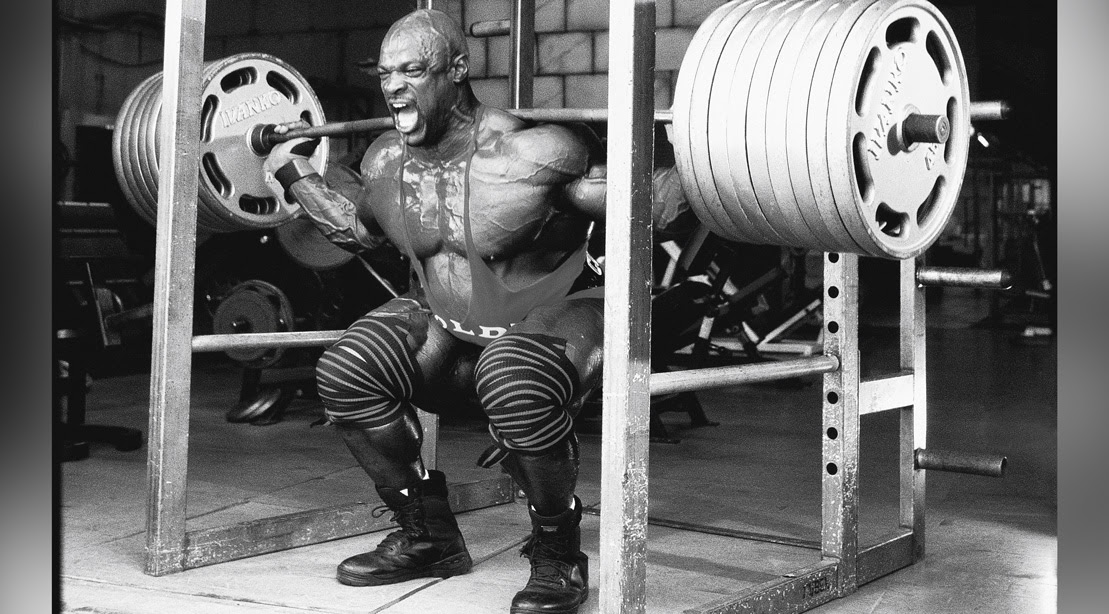
The cover image for this blog post is Ronnie Coleman doing a low bar squat moving some light weight baby.
 Iron Library