
Knee Wraps vs. Knee Sleeves - Do They Really Help Prevent Injury?
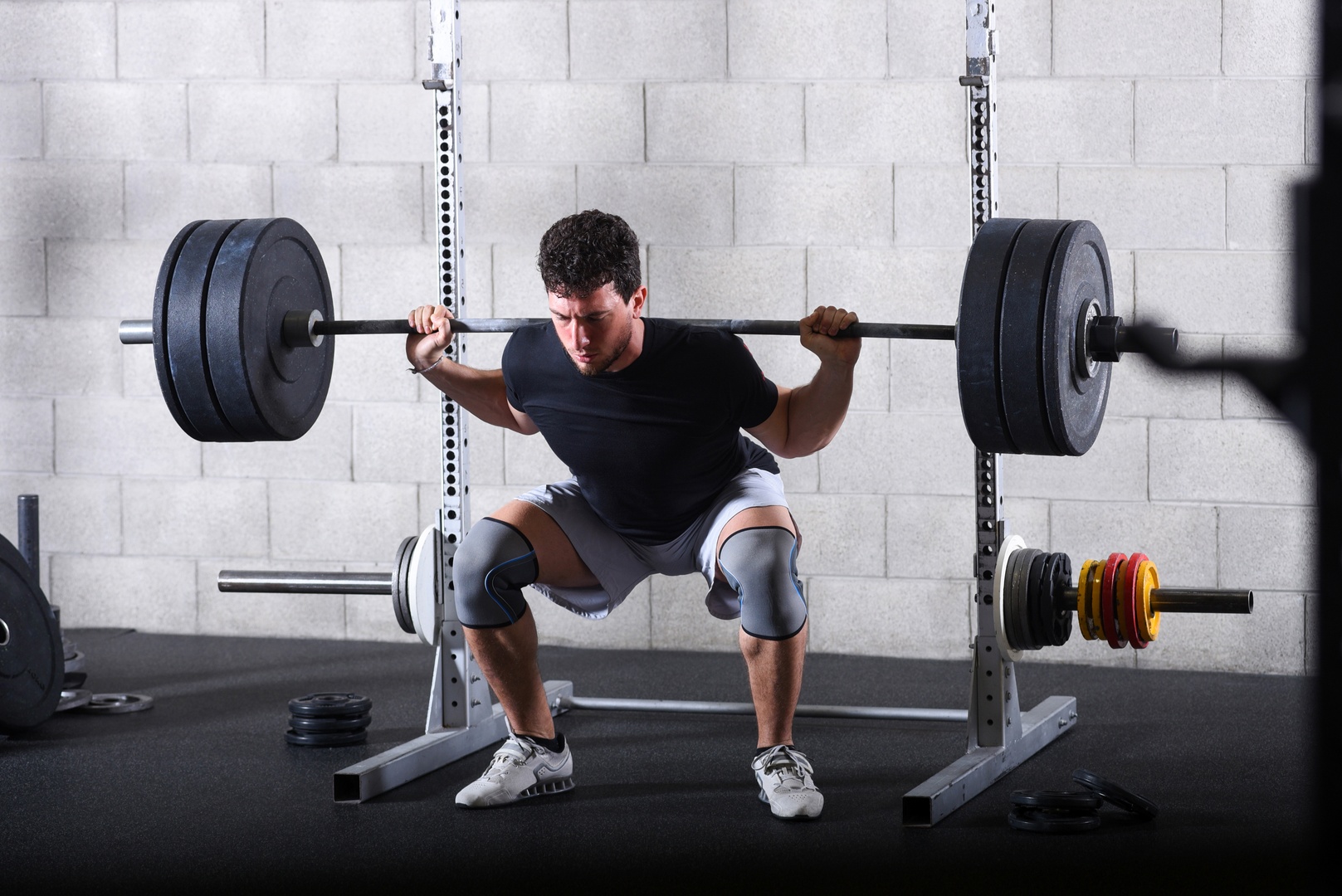
Walk into any gym, and you'll likely see lifters wearing knee sleeves or wrapping their knees before a heavy squat. But are these accessories actually protecting their knees, or are they simply another piece of gym gear?
The answer isn't as simple as yes or no.
Knee sleeves and knee wraps both have their place in strength training, but they serve different purposes. Understanding how they work, and when to use them, can help you train more comfortably, improve performance, and potentially reduce your risk of injury.
Understanding Knee Sleeves
Knee sleeves are made from thick, flexible neoprene that slides over the knee joint. Their primary purpose is to provide compression, warmth, and mild support during training.
Unlike rigid braces, knee sleeves don't stop your knee from moving. Instead, they help improve joint awareness (known as proprioception), which can make your movements feel more stable and controlled during exercises like squats, lunges, leg presses, and Olympic lifts.
Benefits of Knee Sleeves
Increase warmth around the knee joint, helping muscles and connective tissues stay flexible.
Provide compression that may reduce minor swelling during long training sessions.
Improve stability and confidence under heavy loads.
Can reduce discomfort in lifters with mild knee irritation or previous overuse injuries.
Comfortable enough to wear throughout an entire workout.
Many lifters find that knee sleeves help them feel more secure, especially during heavy squats or high-volume leg workouts. While they don't make the knee stronger, they can improve comfort and encourage better movement mechanics.
What About Knee Wraps?
Knee wraps are very different.
Made from long, elastic material, they are wrapped tightly around the knee before heavy lifts. As you descend into a squat, the wrap stretches and stores elastic energy. When you stand back up, that stored energy helps propel you out of the bottom of the lift.
Because of this rebound effect, knee wraps are commonly used in competitive powerlifting rather than general fitness.
Benefits of Knee Wraps
Provide significant support during maximal lifts.
Increase stability under extremely heavy loads.
Can help experienced lifters lift more weight.
Often used during one-rep maximum attempts or competitions.
However, knee wraps also have downsides. They can restrict movement, alter squat mechanics, and require proper wrapping technique to be effective. They're generally unnecessary for most recreational lifters.
Do They Prevent Injuries?
This is one of the biggest misconceptions in the gym.
Neither knee sleeves nor knee wraps can completely prevent injuries.
Most weightlifting injuries occur because of factors like:
Poor lifting technique
Excessive training volume
Lifting more weight than your body is prepared for
Inadequate recovery
Muscle imbalances
Skipping warm-ups
Knee sleeves and wraps do not eliminate these risks.
What they can do is provide additional support and improve confidence during lifting. For some people, this can lead to better movement quality and less discomfort, which may indirectly reduce injury risk when combined with proper training.
Think of them as supportive equipment, not protective armour.
Which One Should You Choose?
Choose Knee Sleeves If You:
Lift weights regularly.
Squat or deadlift multiple times each week.
Experience occasional knee discomfort.
Want extra support without limiting movement.
Train for general strength, bodybuilding, or Olympic lifting.
For most gym-goers, knee sleeves are the better investment.
Choose Knee Wraps If You:
Compete in powerlifting.
Frequently perform near-maximal squats.
Understand proper wrapping technique.
Need maximum support for competition lifts.
For everyday strength training, knee wraps are usually unnecessary.
Can Wearing Them Make Your Knees Weaker?
This is another common concern.
Current evidence suggests that wearing knee sleeves during training does not weaken your knees or leg muscles.
Your muscles still have to generate the force needed to move the weight. The sleeves simply provide compression and improve joint awareness.
Knee wraps, however, can reduce some of the workload during the bottom portion of a heavy squat because of their elastic rebound. This isn't harmful when used appropriately, but they shouldn't become a substitute for building strength through proper training.
Getting the Most Out of Knee Support
Whether you choose sleeves or wraps, remember that they work best alongside good training habits.
Always:
Warm up thoroughly before lifting.
Prioritize proper lifting technique.
Increase weight gradually over time.
Strengthen the muscles surrounding the knees, including the quadriceps, hamstrings, glutes, and calves.
Allow enough recovery between heavy training sessions.
Strong muscles and good movement patterns remain your best defence against injury.
Final Thoughts
Knee sleeves and knee wraps can both be valuable tools, but they are designed for different lifters and different goals.
For the majority of people who lift weights, knee sleeves offer the ideal balance of comfort, support, and confidence without restricting natural movement. They can help reduce discomfort, improve stability, and make heavy training feel more comfortable.
Knee wraps, on the other hand, are specialised equipment intended primarily for experienced powerlifters attempting maximal lifts. While they can enhance performance under heavy loads, they aren't necessary for most gym-goers.
Ultimately, no piece of equipment can replace good technique, sensible programming, and consistent strength training. If you focus on those fundamentals, knee sleeves or wraps can be a helpful addition, not a replacement, for keeping your knees healthy while you continue making progress in the gym.
Interesting in starting a new workout program but don't know where to start? Check out our Programs page for more information!
 Iron Library