What is Westside for Skinny Bastards?
Westside for Skinny Bastards is Joe DeFranco’s adaptation of the Westside conjugate system for athletes rather than geared powerlifters. DeFranco spent years training football players and combine prospects out of his gym in New Jersey, and he needed a way to make skinny, sport-playing kids strong without the specialty bars, bands, chains and supportive gear that Louie Simmons’ original method assumes.
The program has been revised twice, and the version most people run today is WS4SB III. It keeps the conjugate skeleton - rotate a heavy movement, train repetition and speed work, hammer weak points - but rebuilds it around equipment a normal gym actually has and around a lifter who also has practice, games or a season to survive.
The weekly template
The full version is four sessions: Max-Effort Upper Body, a lower-body day, Repetition Upper Body, and a second lower-body day built around speed and posterior-chain work. In-season athletes run the three-day version, usually by folding the two lower-body days into one.
A max-effort upper day opens with the heavy movement, then a supplemental press for 2–4 sets of 6–12, then a superset of horizontal pulling and rear-delt or upper-back work, then traps, then arms and grip. The repetition upper day inverts that shape: it starts with a dumbbell press taken for three sets of max reps, and the rest of the session is pulling volume.
Lower-body days follow one order every time. Jumps or a max-effort squat/deadlift variation come first, then a unilateral movement for 8–15 reps a leg (Bulgarian split squats, reverse lunges, step-ups), then a hip-extension movement for the posterior chain (glute-ham raises, Romanian deadlifts, back extensions, pull-throughs), then weighted abs.
The max-effort rotation
The heavy movement on each max-effort day gets rotated every one to three weeks. You work up to a hard top set of 3–5 reps rather than a true single - one of the clearest departures from the original Westside method - and then swap the exercise before your body gets efficient at it.
The reason is accommodation. Run the same lift heavy for long enough and progress slows while the movement itself gets easier, so you are working hard for less and less return. Rotating the variation (flat bench, incline, board press, floor press, weighted dips; box squat, front squat, trap-bar deadlift, rack pull) keeps the stimulus fresh while the underlying strength keeps climbing.
Keep a running log of every max-effort lift you cycle through. Beating an old 3RM on a variation you have not touched in two months is the clearest signal the rotation is doing its job.
Assistance, sleds and conditioning
Assistance work is not an afterthought here, it is most of the volume. DeFranco’s bias runs heavy on upper back and posterior chain relative to pressing and quad work, because that is what skinny athletes are short of and what keeps shoulders and hamstrings intact through a season.
Conditioning is programmed with sleds and the prowler instead of long runs. Low-intensity dragging is lower-body work with almost no eccentric damage, so it can go on off days and actually aid recovery; heavy pushes over short distances double as conditioning and leg work. That is a large part of why the program survives alongside sport practice.
It is not a powerlifting program
WS4SB deliberately does not centre the squat, bench and deadlift as competition lifts. There is no mandated competition-style squat, no speed bench against bands, and the max-effort work rotates away from the contest movements on purpose. Your three-lift total is not the scoreboard.
That is the point rather than an oversight. What is being trained is a faster, more explosive, more durable athlete, and the barbell work is the means. If you want a bigger total, this is the wrong tool and a dedicated powerlifting template will beat it comfortably.
Who it’s for
It is built for athletes - field, court and combat sports - who have to lift while also practising, and for the classic skinny lifter trying to add strength and size without an elite recovery budget. It works just as well for anyone training around a physical job or a schedule that will not hold still.
It is a poor fit for a competitive powerlifter, who needs the specificity in the three lifts that this program actively avoids. It also asks more of you than a fixed routine does: you select and rotate your own max-effort movements, so a true beginner is usually better served by a few months of simple linear progression first.
Strengths & trade-offs
Strengths: it is flexible enough to survive a season, the max-effort rotation keeps training interesting and surfaces weak points fast, and the unilateral and posterior-chain emphasis builds exactly the tissue that sport punishes. The templates are free and have two decades of track record behind them.
Trade-offs: exercise selection is on you, which is freedom if you know what you are doing and paralysis if you do not. Progress is harder to measure than on a percentage program because the top lift keeps changing, and the competition lifts get comparatively little dedicated practice.
How to run it
Pick the three or four-day template based on what else is in your week - in-season, take the three-day version and do not apologise for it. Choose a max-effort movement for each heavy day, work up to a hard top set of 3–5 reps, and hold that movement for one to three weeks before rotating.
Fill the assistance slots by category rather than by a fixed exercise list: one supplemental press, horizontal and vertical pulling, one unilateral leg movement, one hip-extension movement, weighted abs. Add sled or prowler work two or three times a week, kept light enough that it does not eat the next session. When a max-effort variation stalls, rotate it out instead of grinding it.
The spreadsheet below lays out the templates and assistance slots; copy it in Google Sheets to build your own rotation.
The spreadsheet
Browse the full program below, or open it in Google Sheets to make your own copy and plug in your numbers.
Spreadsheet via LiftVault. If the preview doesn’t load, use “Open in Google Sheets”.
Equipment
This is a barbell program - you don’t need much, but a few pieces make it run smoothly.

Lifting Belt
Gives your core something to brace against, adding stability and lower-back support on heavy squats and deadlifts.
Check Out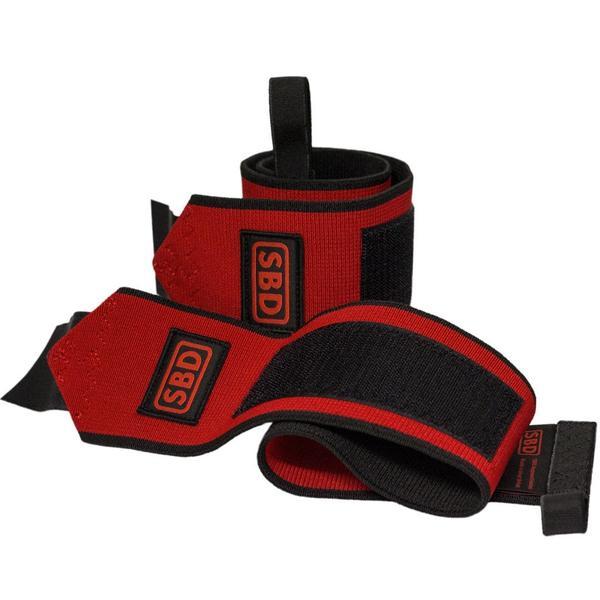
Wrist Wraps
Keep the wrist stacked under the bar on heavy bench and overhead pressing, so the joint doesn’t bend back under load.
Check Out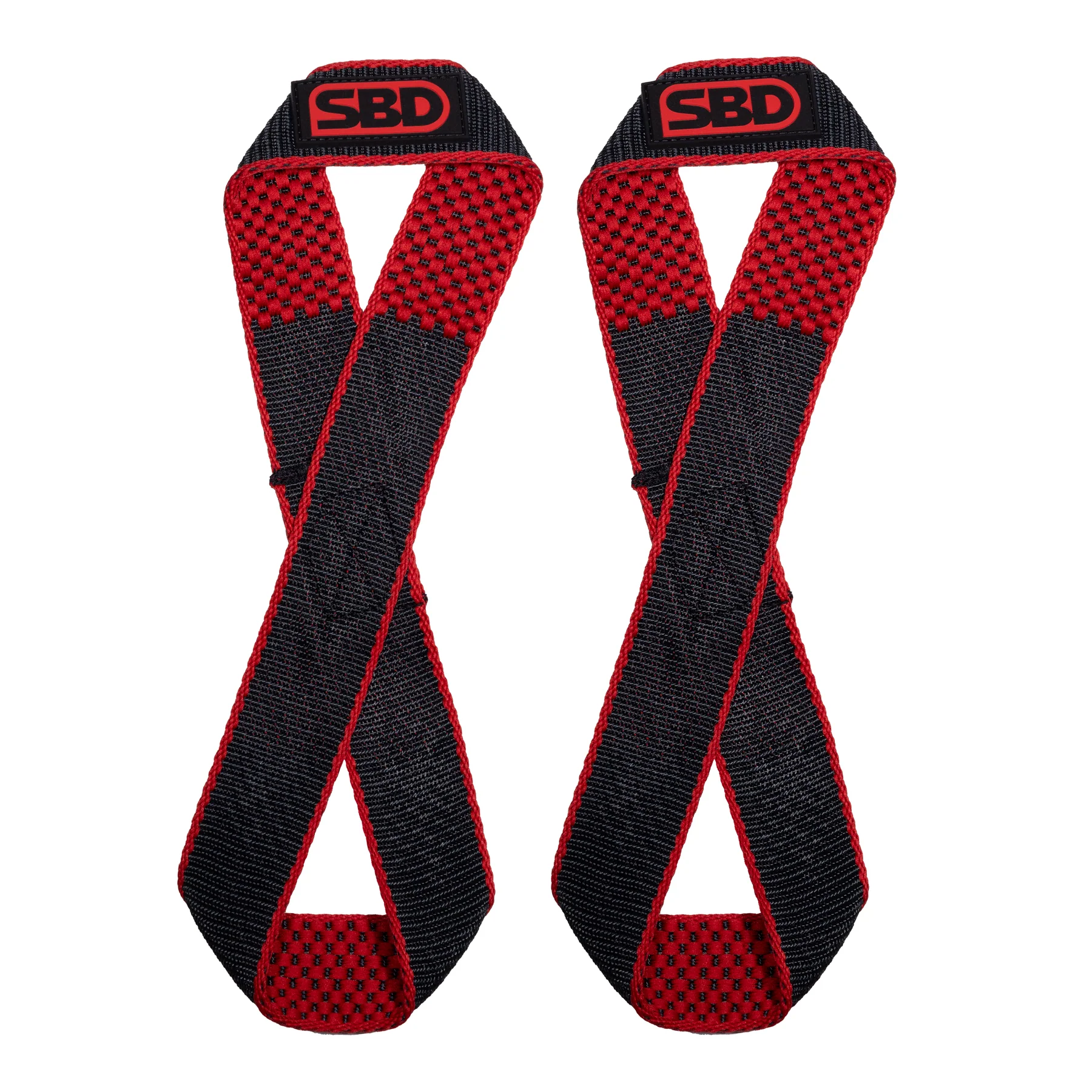
Lifting Straps
Secure your grip so heavy pulling and deadlift volume isn’t cut short by your hands giving out first.
Check OutLearn the lifts
New to any of the movements in this program? Our lift guides break down technique, cues and the common mistakes to avoid.
 Iron Library