What is the TSA 9 Week program?
The TSA 9 Week programs come from The Strength Athlete, the online coaching group founded by powerlifter and coach Bryce Lewis. They are free, they are nine weeks long, and they are structured like the back end of a real meet prep rather than like general strength programming.
There are two of them: a beginner program and an intermediate program, the latter of which exists in an original v1.0 and a revised v2.0. Both are built around the squat, bench and deadlift, both run on RPE with percentage guidance, and both finish in a peak you can point at a meet or a mock meet.
How the block is built
The nine weeks are organised so volume and intensity trade against each other. The early weeks carry the most work at moderate loads, the middle weeks undulate - a heavier session and a lighter session on the same lift inside one week - and the final stretch strips volume out while the bar gets heavy.
A typical main-lift slot is a top set at a prescribed RPE followed by back-off sets a fixed percentage lighter for a fixed number of sets. The heavy work self-adjusts to the day while the volume behind it stays consistent, which is the mechanism that holds the block together across nine weeks instead of letting one bad session derail it.
Accessory work is prescribed but kept firmly secondary. It exists to support the three lifts, not to compete with them for recovery.
RPE with percentage guardrails
RPE here means reps in reserve. An RPE 8 set is one you could have done two more reps with, RPE 9 leaves one, and RPE 10 is a genuine limit set. TSA pairs those targets with a percentage chart, so you always have a rough weight to aim at before you rate what the set actually felt like.
That combination makes these programs a good on-ramp for lifters coming off percentage-only training. You are not dropped into pure autoregulation with nothing to anchor to: you get a number to load, then you rate the set honestly and adjust from there.
Barbell Medicine’s The Bridge is the other common first step into RPE, and the guide to it on this site is worth reading alongside this one. The two teach the same skill from different angles - The Bridge explains autoregulation at length in its ebook, while TSA teaches it by making you rate a top set every session for nine weeks.
The peak and the meet
The block ends in a taper. Volume drops sharply, accessories thin out, and you work up to openers and heavy singles so that you arrive at week nine sharp and recovered rather than merely strong. If you have a meet booked, the program is written to land on it.
If you do not, run a mock meet instead: three attempts on each lift, on the day, with a commanded pause on bench if you are training for the platform. The test is the point of the whole block - skipping it turns nine weeks of structured work into nine weeks of unmeasured work.
Beginner or intermediate: which one
The beginner program is the right call if you have under a year or so of consistent barbell training, have never used RPE, or are still getting mileage out of a straightforward linear progression. It is more prescriptive, carries less weekly volume, uses fewer sessions, and spends more of its effort teaching you to rate a set honestly.
The intermediate program assumes you already have technique, a base of strength, and at least a working sense of what RPE 8 feels like. It carries more weekly volume, more variation between sessions, and more attempt-specific work in the peak. Of its two revisions, v2.0 is the updated and generally recommended sheet - run v1.0 only if you have a specific reason to prefer it.
If you are on the fence, take the beginner version. Nine weeks of a program you can recover from and rate accurately beats nine weeks of a program that outruns you by week four.
Who it’s for
These suit lifters who want a free, coherent powerlifting block with a defined endpoint - especially anyone with a first meet on the calendar, or anyone who wants to learn RPE inside a program that still tells them roughly what to load.
They are not for someone in their first months of training, who should be on a linear progression and adding weight every session. They are also not year-round general programming: the block builds to a peak, and once you have peaked you need to start something new rather than loop it.
Strengths & trade-offs
Strengths: free, well reasoned, and written by an actual coaching group rather than assembled from forum posts. The RPE-plus-percentage approach removes most of the ambiguity that makes autoregulation hard to learn, and having both a beginner and an intermediate version means you can stay inside the same system as you progress.
Trade-offs: nine weeks is a real commitment, and the peak only pays off if you actually test at the end. The intermediate version is a genuine jump in volume from the beginner one, the accessory prescriptions are less detailed than the main-lift work, and two live versions of the intermediate program cause steady confusion about which sheet people are looking at.
How to run it
Pick the version that matches your experience, enter current maxes or honest estimates into the sheet, and set the calendar so that week nine lands on your meet or your chosen test day. Work backwards from that date before anything else - a peak that arrives two weeks after the platform is wasted.
Rate your top sets conservatively for the first fortnight while your calibration sharpens; almost everyone over-rates early on. If you miss a target RPE badly, take the weight the RPE actually calls for rather than the weight printed on the sheet. That is the mechanism working, not the program failing.
Finish the block, test, take a light week, then either step up to the next version or move into a longer prep such as Calgary Barbell if your meet is further out. Open the spreadsheet below to see the layout, or copy it in Google Sheets to plug in your numbers.
The spreadsheet
Browse the full program below, or open it in Google Sheets to make your own copy and plug in your numbers.
Spreadsheet via LiftVault. If the preview doesn’t load, use “Open in Google Sheets”.
Equipment
This is a barbell program - you don’t need much, but a few pieces make it run smoothly.
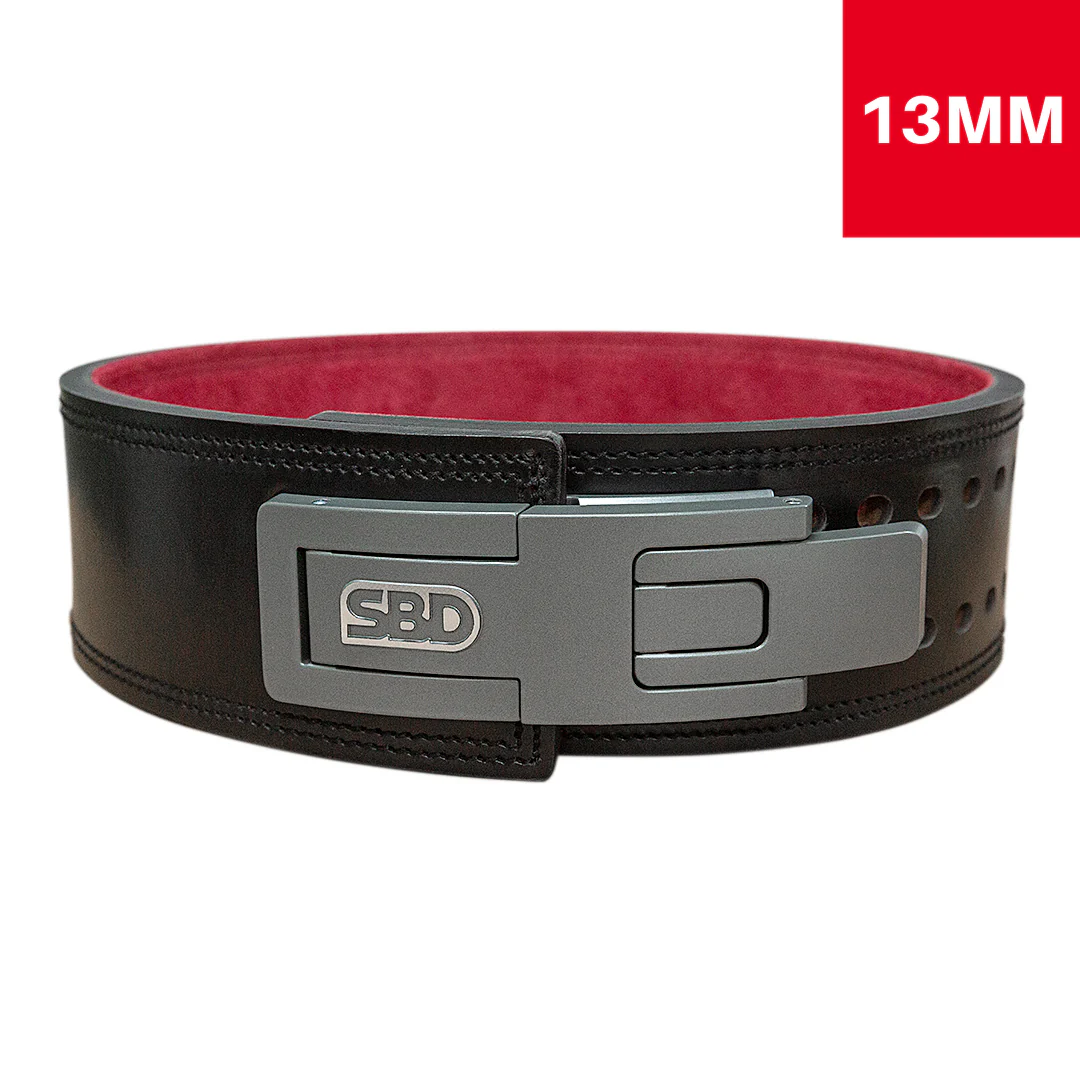
Lifting Belt
Gives your core something to brace against, adding stability and lower-back support on heavy squats and deadlifts.
Check Out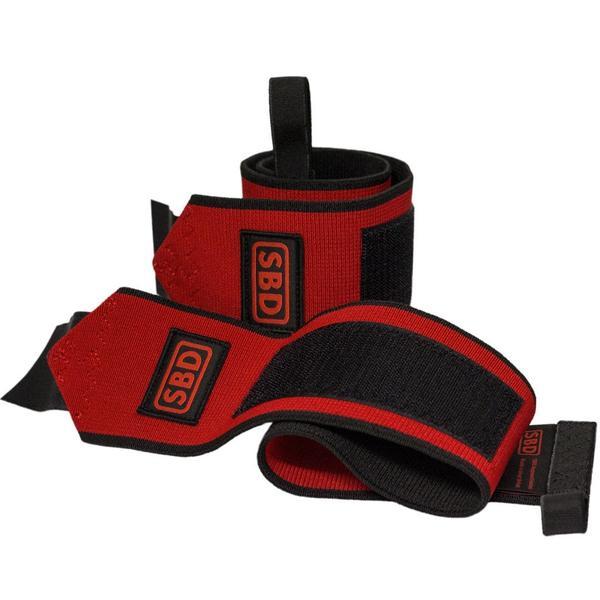
Wrist Wraps
Keep the wrist stacked under the bar on heavy bench and overhead pressing, so the joint doesn’t bend back under load.
Check Out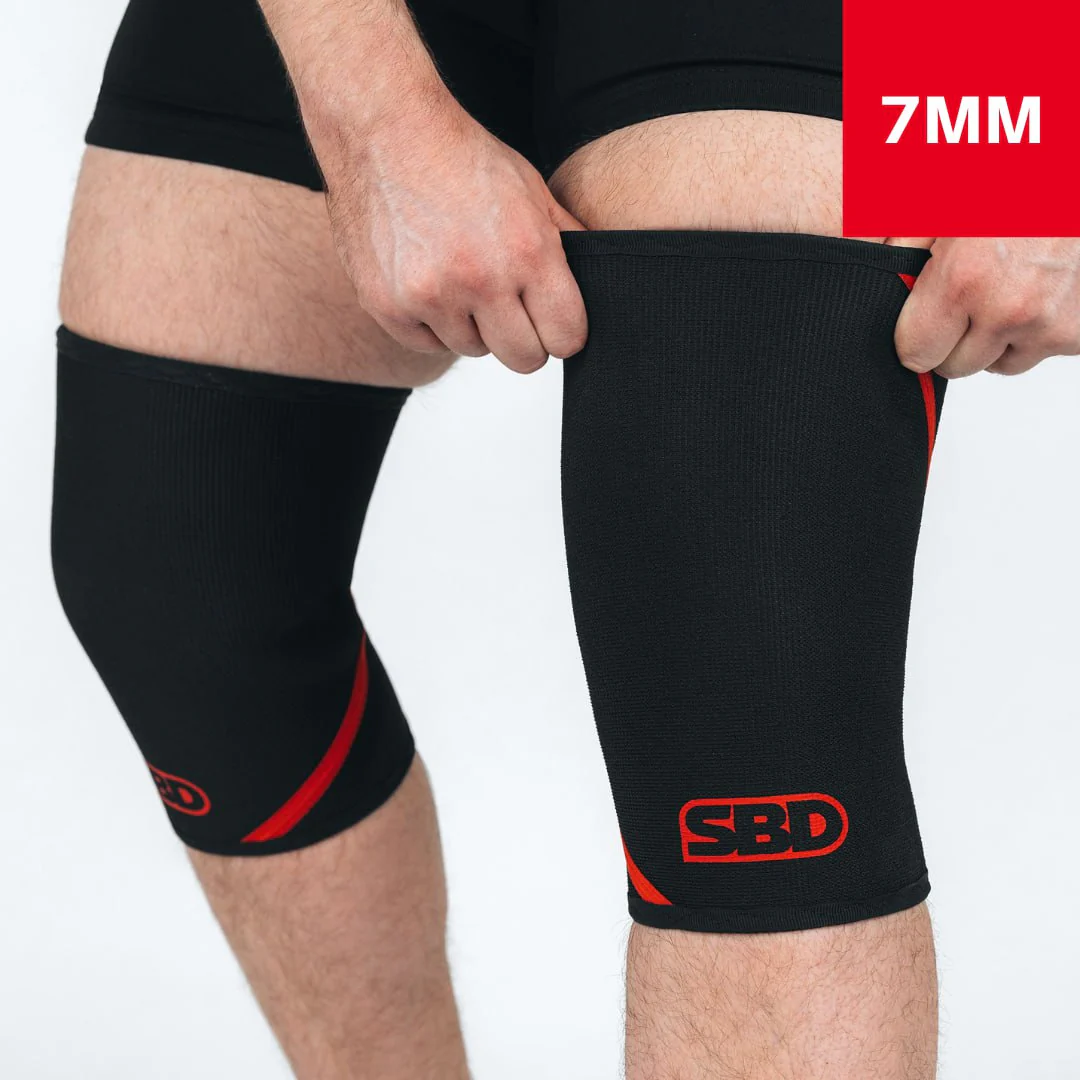
Knee Sleeves
Add warmth and a little support to the knees, plus a small rebound out of the bottom of the squat.
Check Out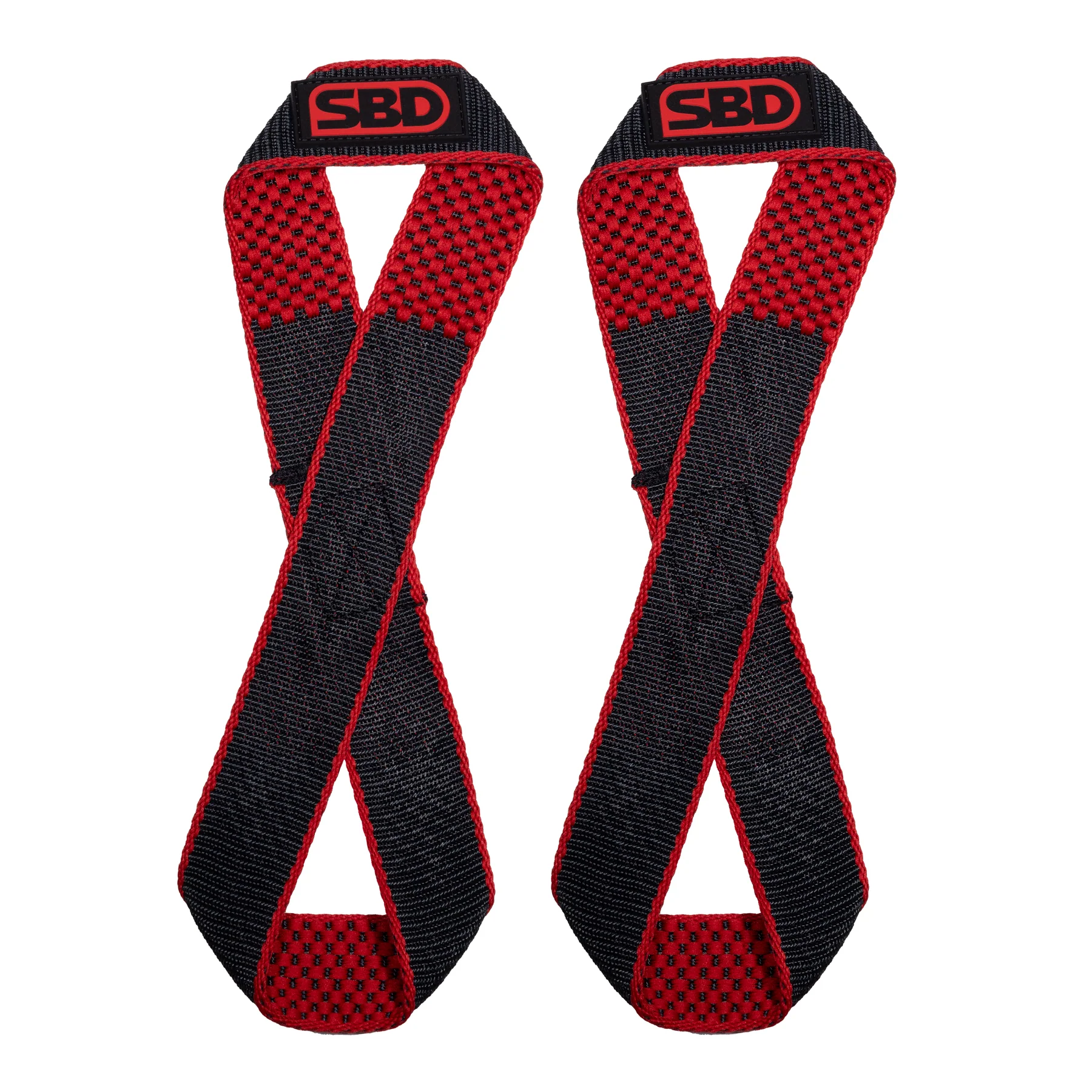
Lifting Straps
Secure your grip so heavy pulling and deadlift volume isn’t cut short by your hands giving out first.
Check OutLearn the lifts
New to any of the movements in this program? Our lift guides break down technique, cues and the common mistakes to avoid.
 Iron Library