
What is Thinner Leaner Stronger?
Thinner Leaner Stronger is the training program from Mike Matthews’ book of the same name - the counterpart to his Bigger Leaner Stronger - and it has sold enormously well because it pushes back against a persistent piece of bad advice: that women should train with light weights and high reps.
The program does the opposite. It is built on heavy compound barbell lifting in low rep ranges, on the reasonable grounds that the principles of strength training do not change based on who is holding the bar.
How it works
Training is split across four or five days a week by body area, with each session led by heavy compound work - squat, bench press, deadlift, overhead press and their close variations - in low rep ranges with long rest periods.
Accessory and isolation work follows to fill out the session, with more attention given to the glutes, hamstrings and upper back than a generic template would provide. Progression is double progression: hit the top of the rep range across your sets, add weight, work back up.
Blocks and deloads
The program runs in blocks of several weeks followed by a deload, rather than climbing indefinitely until something breaks. That structure is one of its better features - novice programs usually leave fatigue management entirely to the lifter, who invariably ignores it.
The deload is a planned lighter week, not a week off. Volume and intensity drop, fatigue clears, and the next block starts from a better position than it would have if you had simply pushed through.
Who it’s for
This is aimed at women who are new or fairly new to lifting and want a structured, strength-led program that builds a physique - particularly anyone coming from cardio or class-based training who has never trained heavy before.
The programming is not gender-specific in any meaningful biological sense, so anyone can run it; the framing and the accessory emphasis are simply written for that audience. Advanced lifters will find it too simple and should look at a proper intermediate template.
Strengths & trade-offs
Strengths: heavy compound lifting done properly, clear progression rules, planned deloads, and extensive written material explaining the reasoning - it is unusually well documented for a free spreadsheet.
Trade-offs: it needs a barbell and a rack, so it is a poor fit for a dumbbell-only home gym; four to five days a week is a real commitment; and the low rep ranges take some getting used to if you have only ever trained with light weights.
How to run it
Learn the four main lifts properly before loading them heavily - the whole program rests on them, and low-rep work magnifies technical faults. A few coached sessions at the start pay for themselves many times over.
Open the spreadsheet below, enter your starting weights conservatively, and rest fully between heavy sets; rushing them turns a strength program into conditioning. Take the deload weeks as written rather than skipping them because you feel fine.
The spreadsheet
Browse the full program below, or open it in Google Sheets to make your own copy and plug in your numbers.
Spreadsheet via LiftVault. If the preview doesn’t load, use “Open in Google Sheets”.
Equipment
This is a barbell program - you don’t need much, but a few pieces make it run smoothly.

Lifting Belt
Gives your core something to brace against, adding stability and lower-back support on heavy squats and deadlifts.
Check Out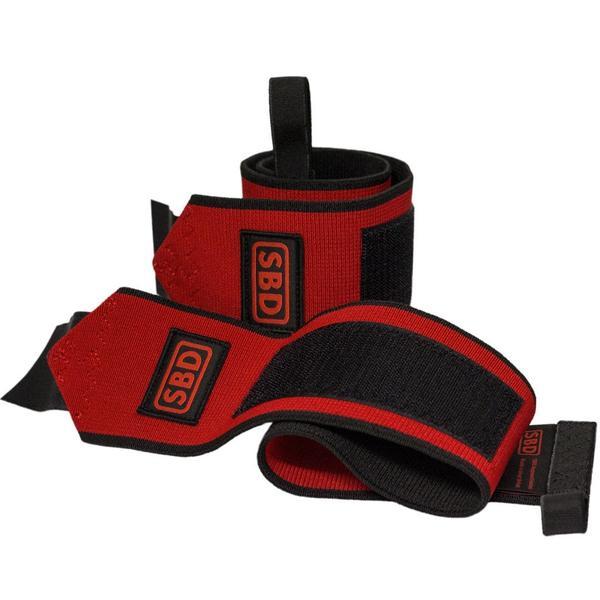
Wrist Wraps
Keep the wrist stacked under the bar on heavy bench and overhead pressing, so the joint doesn’t bend back under load.
Check Out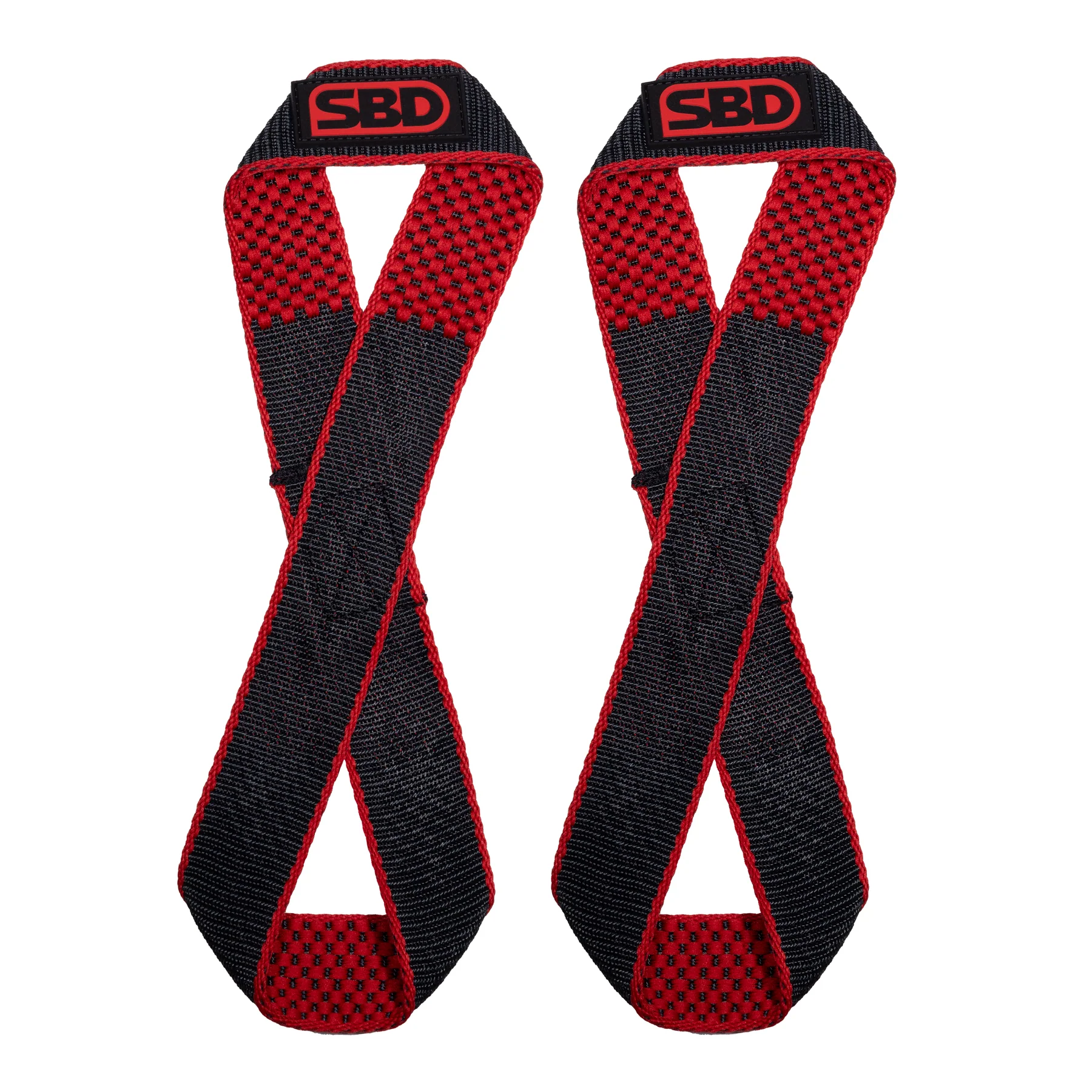
Lifting Straps
Secure your grip so heavy pulling and deadlift volume isn’t cut short by your hands giving out first.
Check Out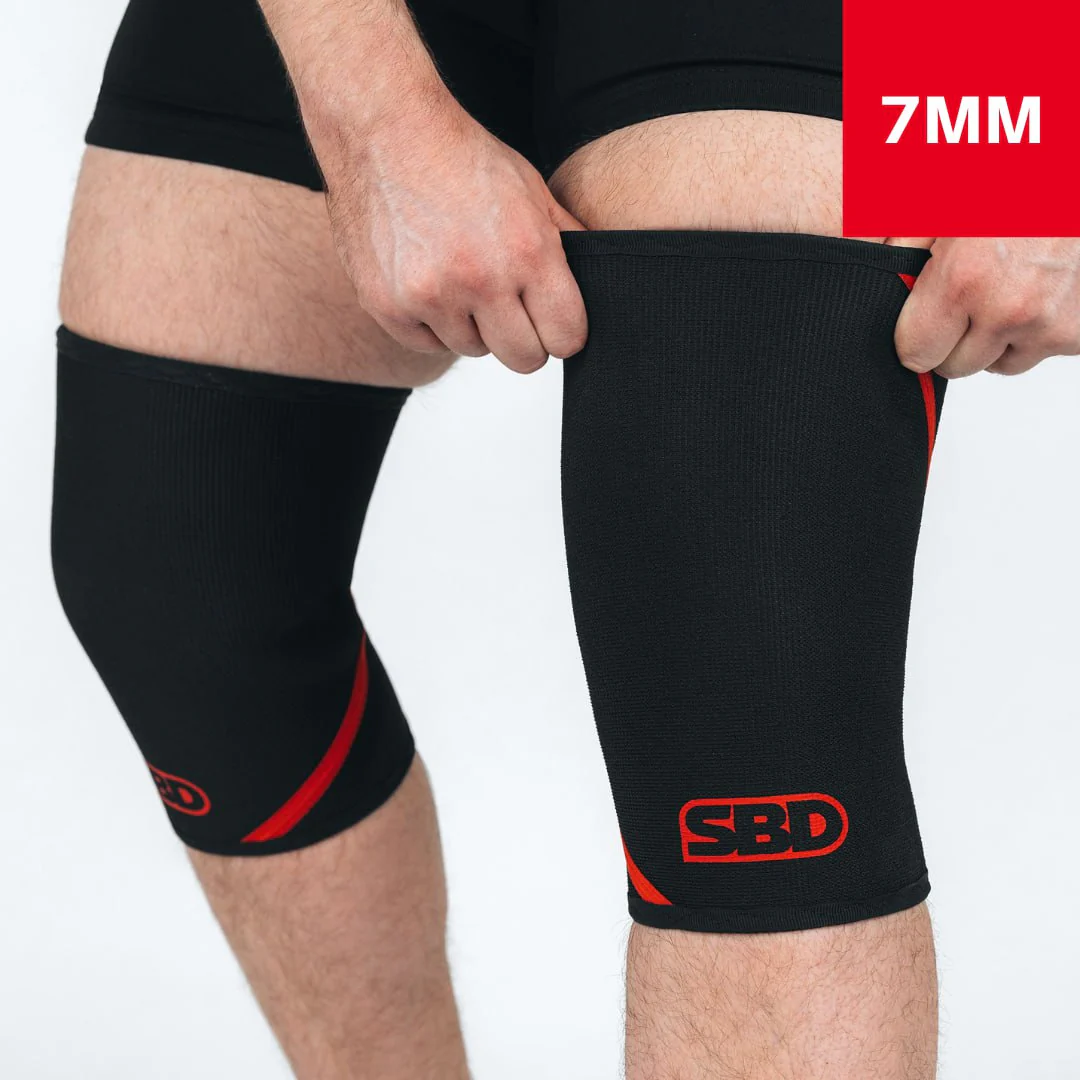
Knee Sleeves
Add warmth and a little support to the knees, plus a small rebound out of the bottom of the squat.
Check OutLearn the lifts
New to any of the movements in this program? Our lift guides break down technique, cues and the common mistakes to avoid.
 Iron Library