What is Tactical Barbell?
Tactical Barbell is a strength system written by K. Black for people whose job or sport already demands a great deal of them - military, law enforcement, firefighters, and anyone else who has to be strong while also running, rucking, swimming or fighting. It is published as a series of books, the first covering strength and the second covering conditioning.
Its founding assumption is unusual for a strength program: lifting is a support activity, not the main event. You lift enough to get strong and stay strong, and you protect the recovery you need for everything else. If you come from a pure-strength background the volume will look thin on the page. That is deliberate, and the rest of this guide is mostly about why.
Clusters and the minimum effective dose
A cluster is the small group of exercises you commit to for a block - typically two to four movements, chosen to cover the most ground per minute spent. A standard cluster is squat, bench press and weighted pull-up, with the deadlift swapped in when you want it. You train those movements, and between blocks you swap the cluster if your needs change.
Everything else is stripped out on purpose. There is no long accessory list, no arm day, no chasing a lagging body part. All of the program sits inside the cluster, which is what leaves room in the week for conditioning volume that would otherwise be impossible to fit.
The Operator template
Operator is the flagship. Three lifts, three sessions a week, and every lift is trained in every session, so each movement gets three exposures a week at very low per-session volume. Loading runs as a three-week wave off your max: roughly 70% in week one, 80% in week two and 90% in week three, three sets each, with the reps dropping from fives to threes as the bar gets heavy.
You run that wave twice for a six-week block, add a small increment to your maxes, and go again. A session is three lifts times three sets - short enough to finish in forty-five minutes and to leave you with enough in the tank for a conditioning session later that day or the next morning.
Operator I/A, the "improved alternative", is the usual variation for lifters who stall on the standard wave. It undulates intensity within the week instead of across three weeks, which suits people who respond better to a heavy day and a lighter day than to a slow three-week climb.
Zulu, Fighter and Mass
Zulu takes a four-lift cluster and splits it across sessions - two movements per day, four days a week - so each lift gets two exposures instead of three. You trade frequency for the ability to carry more lifts, which suits anyone who wants both the deadlift and the overhead press in rotation without turning every session into a marathon. It runs the same percentage waves as Operator.
Fighter cuts back to two lifting days a week and exists for phases where conditioning or skill work owns your schedule. Mass goes the other way: more sets, higher reps and hypertrophy-range work for a block spent adding size rather than maintaining it. All of them share the cluster logic, so moving between templates costs you nothing to relearn.
How the conditioning fits
The conditioning half of the system runs on two session types. E (endurance) sessions are long, easy aerobic work - steady runs, rucks, swims - done at conversational effort. HIC (high-intensity conditioning) sessions are the hard stuff: hill sprints, intervals, circuits, sled work, kept short and infrequent because they cost real recovery.
Before you blend them, Tactical Barbell prescribes Base Building - a block of mostly easy aerobic volume alongside maintenance-level lifting, meant to build the aerobic engine everything else sits on. After that you pick a continuation protocol that weights E and HIC toward whatever your job or sport actually demands.
This is the answer to why the lifting looks minimal. The strength templates are written to run concurrently with three to five conditioning sessions a week, and the volume you are not doing in the squat rack is the reason the running is possible at all.
Who it’s for
It is for the hybrid athlete: anyone who has to be strong and conditioned at once and cannot afford to be wrecked by their own training. Tactical professionals are the stated audience, but it fits hybrid racers, combat-sport athletes, and lifters with genuinely physical jobs just as well.
It is a bad fit if maximal strength is your only goal - a dedicated powerlifting block will out-progress it, because Tactical Barbell is not trying to compete on that axis. It also frustrates lifters who need variety, or who judge a session by how destroyed they feel afterwards.
Strengths & trade-offs
Strengths: it is genuinely sustainable, the sessions are short, the percentages are prescribed so there is nothing to decide on a tired morning, and it is one of very few systems that programs strength and conditioning as a single plan rather than two competing ones.
Trade-offs: the volume is low enough that pure strength progress is slower than on a specialised program, there is little hypertrophy stimulus unless you run Mass, and the full system really lives across two books - the spreadsheet alone will not teach you the conditioning half.
How to run it
Test or estimate a max on each lift in your cluster and enter it in the sheet; every percentage comes off those numbers. Start conservative - the design assumes you finish sessions fresh, so a max that is 5% low costs you almost nothing while a max that is 5% high quietly wrecks the conditioning you are supposed to be doing alongside it.
Run Operator first unless you have a specific reason not to. Six weeks, then add roughly 5–10 lb to the lower-body maxes and 2.5–5 lb to the upper-body maxes and repeat. When a block stops moving, cut the maxes back, switch to Operator I/A or Zulu, or spend a block on Base Building and come back to the barbell afterwards.
Open the spreadsheet below to see the templates side by side, or copy it in Google Sheets to plug in your own numbers.
The spreadsheet
Browse the full program below, or open it in Google Sheets to make your own copy and plug in your numbers.
Spreadsheet via LiftVault. If the preview doesn’t load, use “Open in Google Sheets”.
Equipment
This is a barbell program - you don’t need much, but a few pieces make it run smoothly.
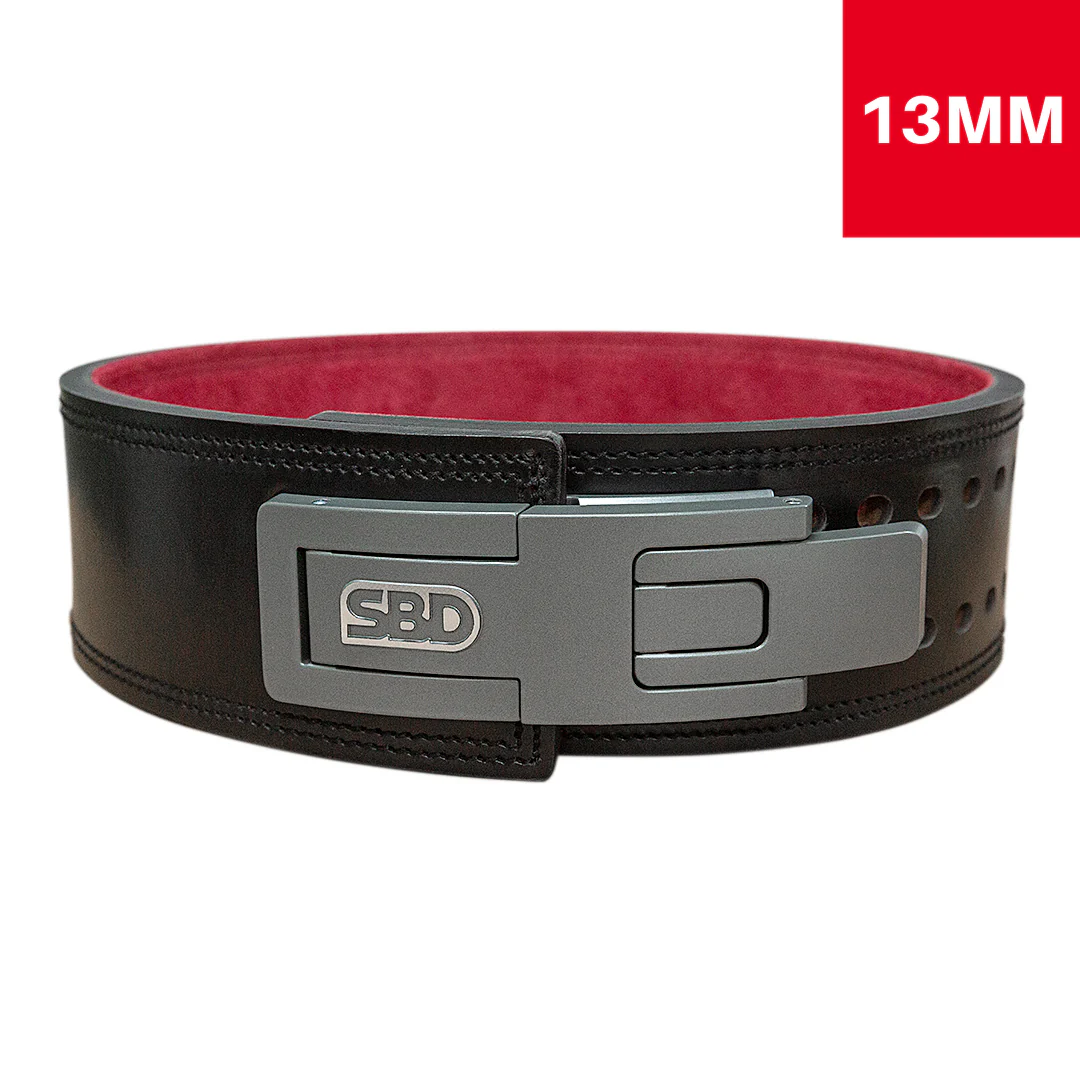
Lifting Belt
Gives your core something to brace against, adding stability and lower-back support on heavy squats and deadlifts.
Check Out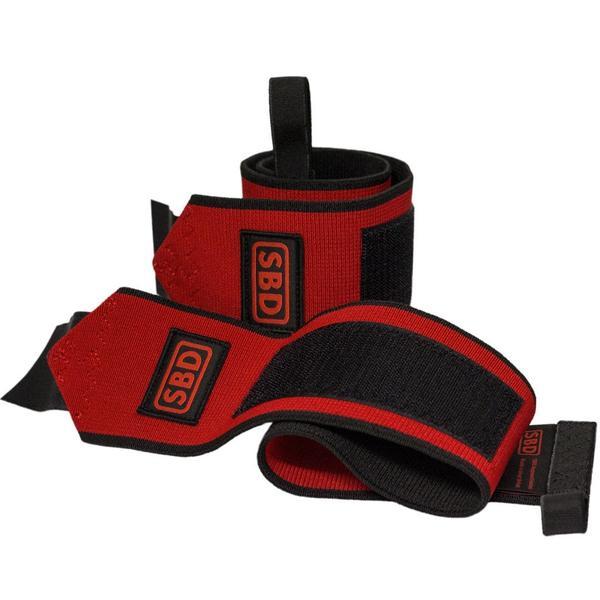
Wrist Wraps
Keep the wrist stacked under the bar on heavy bench and overhead pressing, so the joint doesn’t bend back under load.
Check Out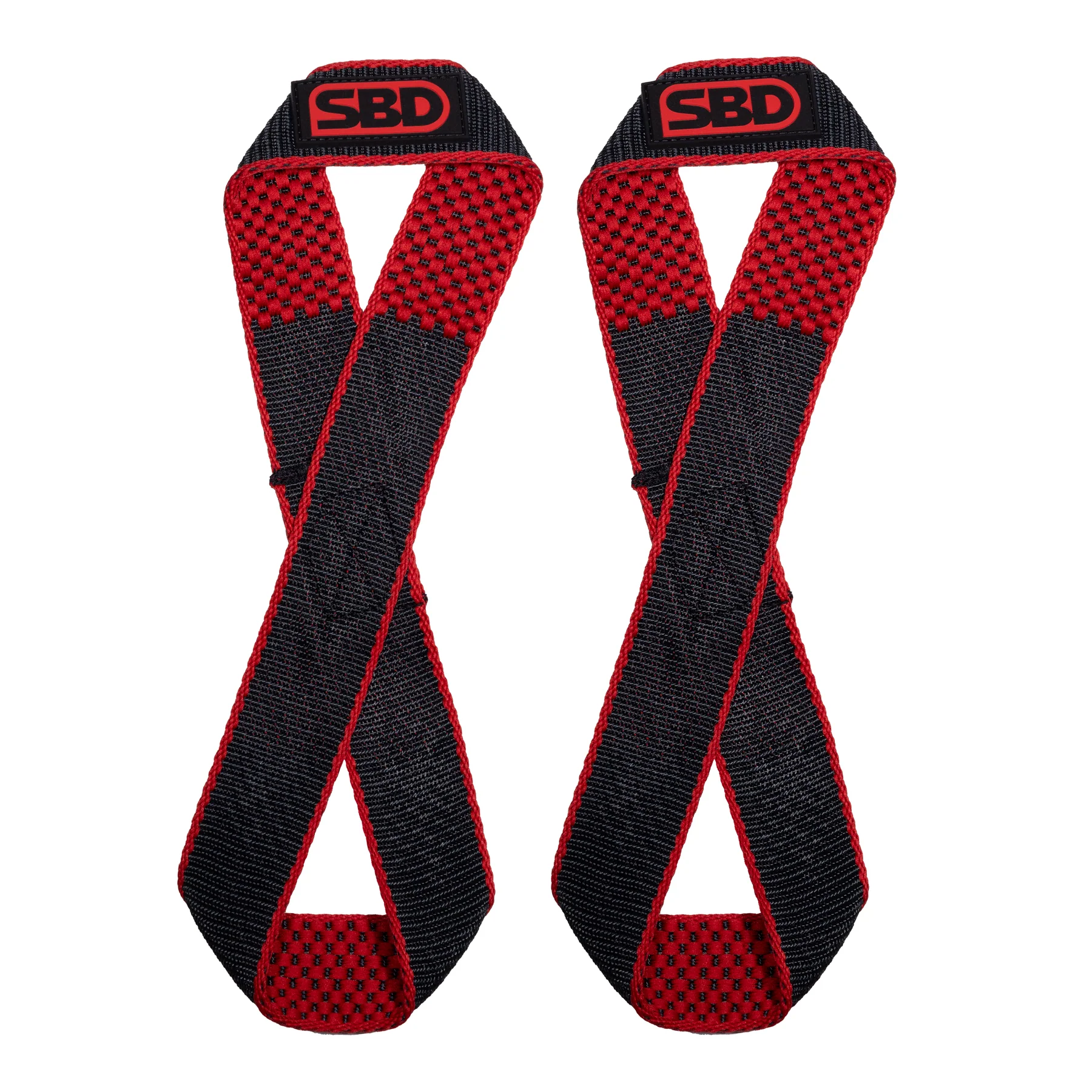
Lifting Straps
Secure your grip so heavy pulling and deadlift volume isn’t cut short by your hands giving out first.
Check OutLearn the lifts
New to any of the movements in this program? Our lift guides break down technique, cues and the common mistakes to avoid.
 Iron Library