What is Super Squats?
Super Squats is Randall Strossen’s 1989 book, and the program inside it is older than the book by half a century - a revival of the breathing-squat routines that Joseph Curtis Hise, Mark Berry and the Iron Man crowd were writing about in the 1930s and 40s. The subtitle promises 30 pounds of muscle in six weeks, which tells you both the ambition and the era.
The program itself is almost nothing: three full-body sessions a week for about six weeks, built around a single set of twenty reps in the squat. Everything else on the page exists to support that one set.
The 20-rep breathing squat
You load roughly your ten-rep max and do twenty reps with it. You do not rack the bar and you do not rest between reps in any normal sense - what you do instead is stand at the top and breathe, three, four, five deep breaths before each rep in the back half, until you have talked yourself into another one. That is where the name breathing squat comes from, and it is why a single set can take several minutes.
Reps one to ten are ordinary. Reps eleven to fifteen are hard. Reps sixteen to twenty are a negotiation, and they are also the entire reason the program works. Nothing about this is enjoyable, and any description that makes it sound like a fun challenge is selling you something.
Adding 5 lb a session
You add 5 lb to the bar every single session, three sessions a week, with no waves, no deloads and no autoregulation. Across six weeks that is roughly 90 lb added to a set of twenty, which is precisely why it stops being possible somewhere in the last two weeks.
The program is designed to end. You run it until you genuinely cannot complete the twenty reps, then you stop, take a real break, and go back to normal training. It is a six-week block, not a way to train.
The rest of the session
Straight after the squat set comes a light pullover for twenty reps, around 20 to 30 lb, lying across a bench. The old theory was that it expanded your ribcage. It does not, but it is a decent chest and lat stretch while you are still gasping, and it stays in the routine by tradition.
The rest is short and unglamorous: a couple of sets of bench press, some rowing or pulldowns, overhead press, and a set of stiff-legged deadlifts, all in the 10–15 rep range and none of it taken near failure. The assistance is there so the rest of your body keeps up while the squat set does the actual work.
Eating, and the GOMAD problem
The traditional prescription attached to twenty-rep squat routines is GOMAD - a gallon of milk a day, on top of your food. It comes from an era of skinny, farm-strong teenagers with no protein powder and no supermarket, and a coach who needed one simple instruction that would guarantee a surplus.
It is worth knowing as history and not worth following as advice. A gallon of whole milk is roughly 2,400 calories and about 125 g of protein in liquid form, which for most adults means fast and sloppy weight gain, and for the large share of the world that does not tolerate lactose it means a miserable six weeks. Eat in a real surplus with enough protein - 300 to 500 calories over maintenance does the job - and you get the growth without the rest of it.
Who it’s for
Super Squats suits a lifter who already squats well, has at least a year or so of consistent training, and wants size in a surplus with a hard end date on the calendar. Your technique needs to be automatic before you start, because rep seventeen is not the moment to be thinking about whether your knees are tracking.
Do not run it if you are new to squatting, if you are cutting, if you have a back or knee problem you are managing, or if you train in a gym with no safety pins and nobody to spot you. Form breakdown deep in a twenty-rep set is the real injury risk here - not the weight itself, but what your spine does at rep eighteen once you have stopped bracing properly. Set the pins, know how to bail, and end the set when your position goes rather than when your legs do.
Strengths & trade-offs
Strengths: it is astonishingly simple, it works for adding size and squat endurance in a surplus, and it builds a tolerance for discomfort that carries into everything you train afterwards. The equipment list is a barbell and a rack.
Trade-offs: it is genuinely unpleasant, form drifts easily under that much fatigue, and it neglects everything that is not the squat. The 30-pounds-in-six-weeks line is a 1989 book cover rather than a projection - a trained adult who is not a skinny teenager should expect a fraction of it, and a fair share of that will be fat.
How to run it
Pick a weight you could squat for a clean ten reps on a fresh day and start there. Most people should start lighter than they want to, because the first fortnight is meant to feel manageable and the last fortnight is where the program actually happens. Enter it in the spreadsheet, set the increment to 5 lb per session, and let the sheet count for you.
Set the safety pins every session, keep the assistance work light, and eat in a consistent surplus. When you miss the twenty reps twice, the block is over: take a week or two easy, then move to a strength program like 5/3/1 or Madcow to turn the new size into numbers.
The spreadsheet
Browse the full program below, or open it in Google Sheets to make your own copy and plug in your numbers.
Spreadsheet via LiftVault. If the preview doesn’t load, use “Open in Google Sheets”.
Equipment
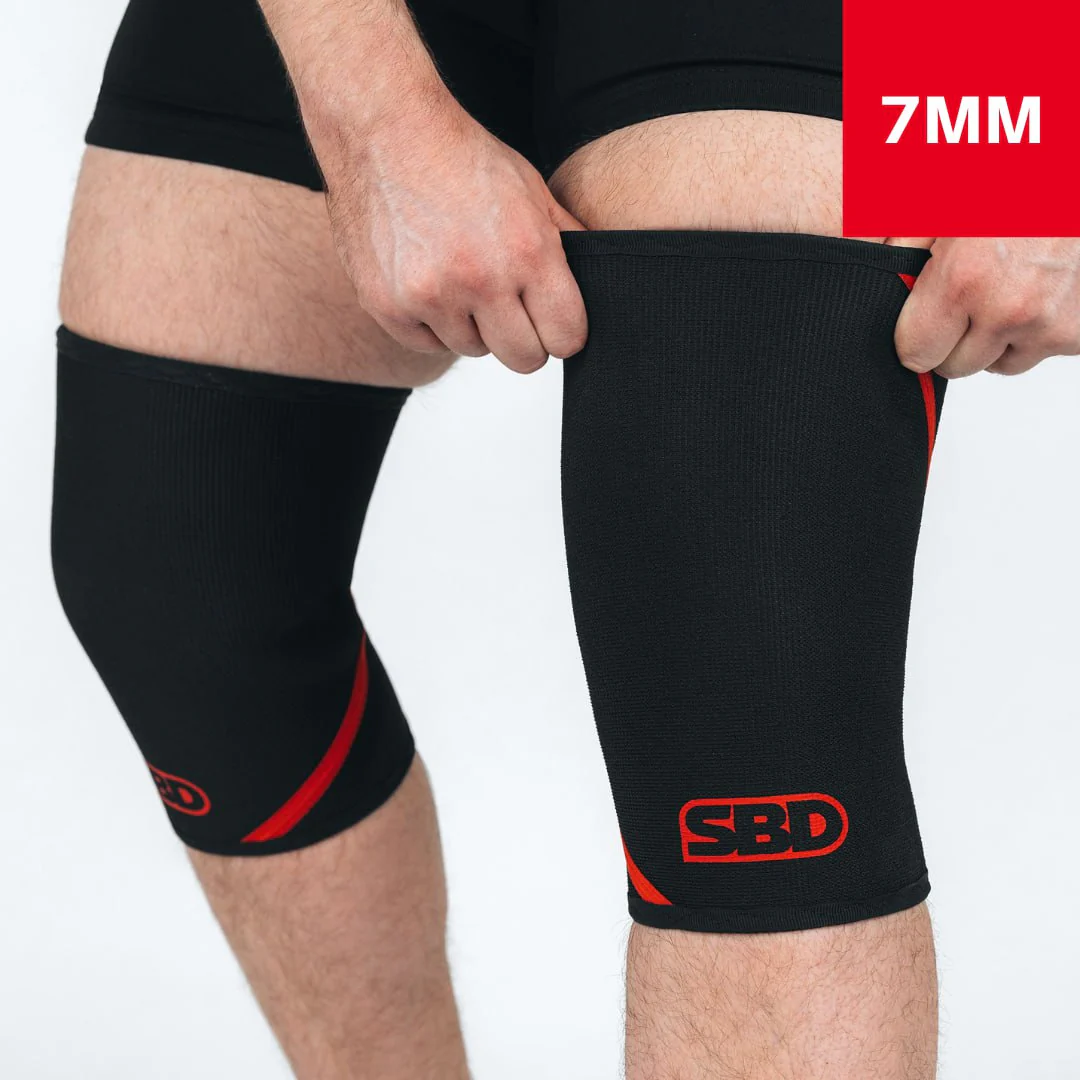
This is a barbell program - you don’t need much, but a few pieces make it run smoothly.

Learn the lifts
New to any of the movements in this program? Our lift guides break down technique, cues and the common mistakes to avoid.
 Iron Library