
What is StrongLifts 5×5?
StrongLifts 5×5 is Mehdi Hadim’s take on the classic 5×5 linear progression - a descendant of the routines Reg Park and Bill Starr trained on, repackaged for the internet era with an enormously popular app. Alongside Starting Strength, it is one of the two default answers to “I’m new, what program should I do?”
The pitch is identical to every good novice program: five big barbell lifts, three short full-body sessions a week, and a small amount of weight added every single workout.
The A/B workouts
You alternate two workouts across three non-consecutive training days. Workout A is squat 5×5, bench press 5×5, barbell row 5×5. Workout B is squat 5×5, overhead press 5×5, deadlift 1×5. You squat every session, and the row/press pairings alternate around it.
Everything is straight sets: the same working weight for all five sets of five after your warm-ups. The barbell row is the notable difference from Starting Strength - it gives you a horizontal pull and some upper-back size from day one.
Progression & deloads
Add 5 lb (2.5 kg) to each lift every session you complete all the prescribed reps - except the deadlift, which can move in 10 lb jumps early on. Starting very light (Mehdi suggests the empty bar for a true beginner) is a feature: the first weeks groove technique while the bar races upward.
The stall rules are built in. Miss reps at a weight for three sessions in a row and you deload that lift by 10% and build back up. When 5×5 itself becomes unsustainable on a lift, you drop it to 3×5, then 3×3 - and when that well runs dry, you graduate to an intermediate program like Madcow 5×5.
Who it’s for
StrongLifts is for beginners who want maximum simplicity and a clear set of rules - especially anyone who likes being guided session by session through an app or spreadsheet. If you cannot decide between this and Starting Strength, you are overthinking it; they are far more alike than different.
It is not for lifters past the novice phase, and the minimal isolation work means physique-focused lifters will want to add some accessory volume or choose a different program.
Strengths & trade-offs
Strengths: dead simple, proven, and self-correcting - the deload rules mean you never have to wonder what to do about a stall. The rows add welcome upper-back work, and the app/spreadsheet ecosystem makes it nearly impossible to run wrong.
Trade-offs: 25 work reps of squats every session gets brutal as the weights climb, upper-body pressing volume is modest, and there is little direct arm or hypertrophy work. Like every linear progression, it has an expiry date - respect it and move on when the resets stop paying.
How to run it
Start lighter than your ego wants - the empty bar or close to it if you are brand new - and let the per-session jumps do the work. Keep rests short while the bar is light and stretch them to 3–5 minutes once sets become hard. Follow the deload rules exactly rather than improvising.
The spreadsheet below lays out the A/B alternation, jumps and deloads; copy it in Google Sheets, enter your starting weights, and go.
The spreadsheet
Browse the full program below, or open it in Google Sheets to make your own copy and plug in your numbers.
Spreadsheet via LiftVault. If the preview doesn’t load, use “Open in Google Sheets”.
Equipment
This is a barbell program - you don’t need much, but a few pieces make it run smoothly.

Lifting Belt
Gives your core something to brace against, adding stability and lower-back support on heavy squats and deadlifts.
Check Out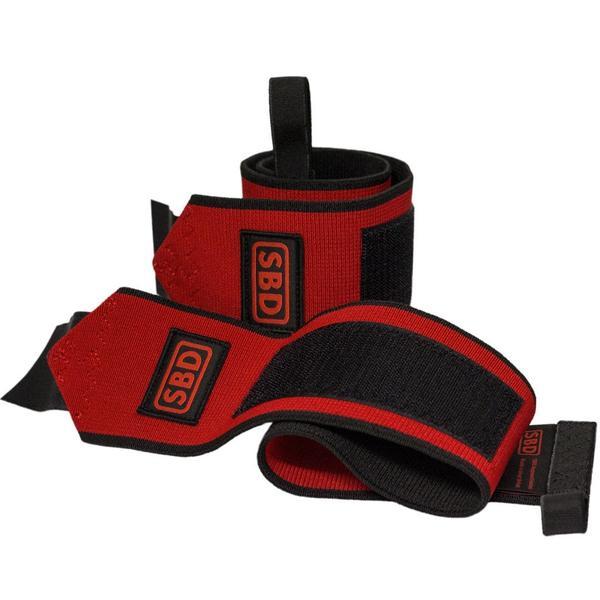
Wrist Wraps
Keep the wrist stacked under the bar on heavy bench and overhead pressing, so the joint doesn’t bend back under load.
Check Out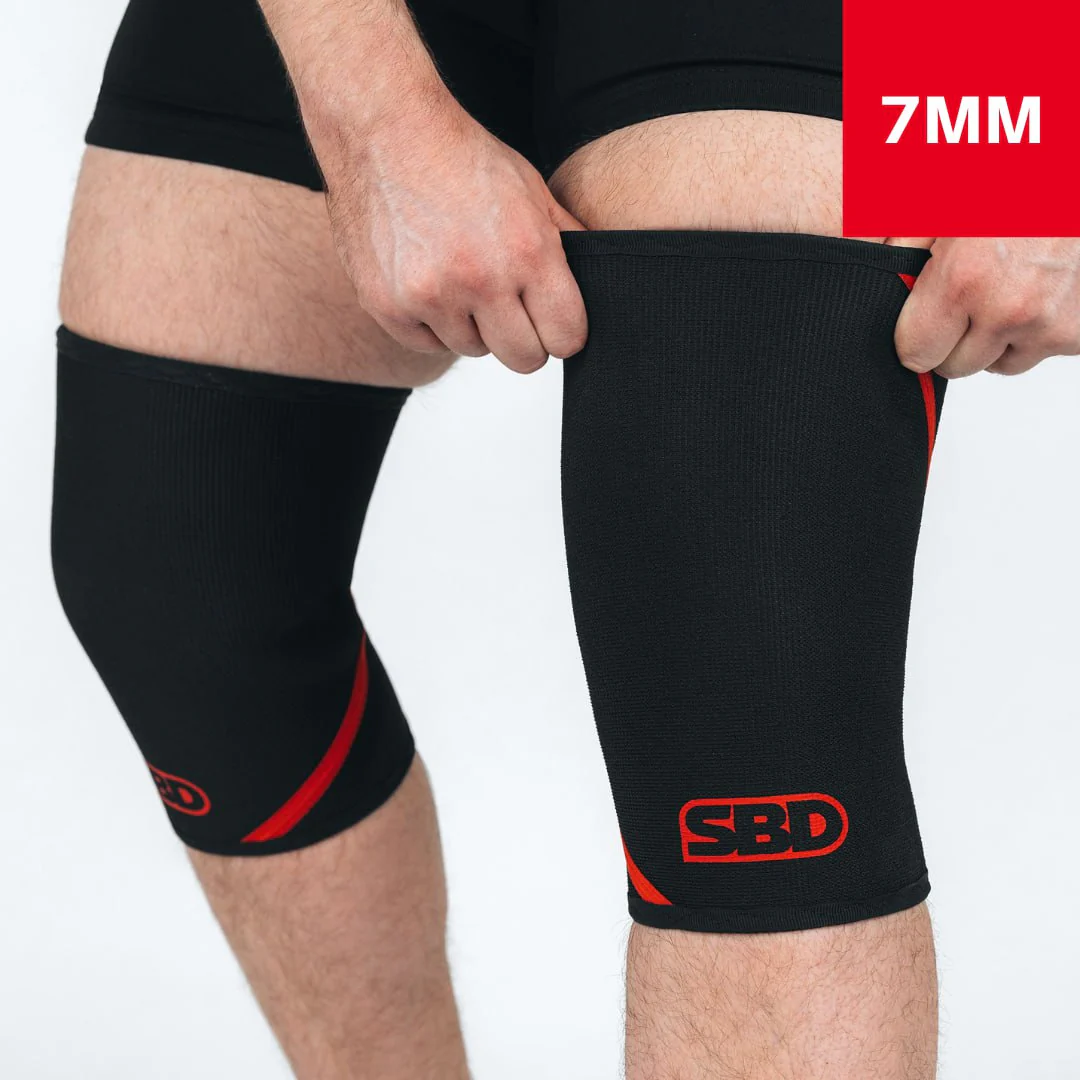
Knee Sleeves
Add warmth and a little support to the knees, plus a small rebound out of the bottom of the squat.
Check Out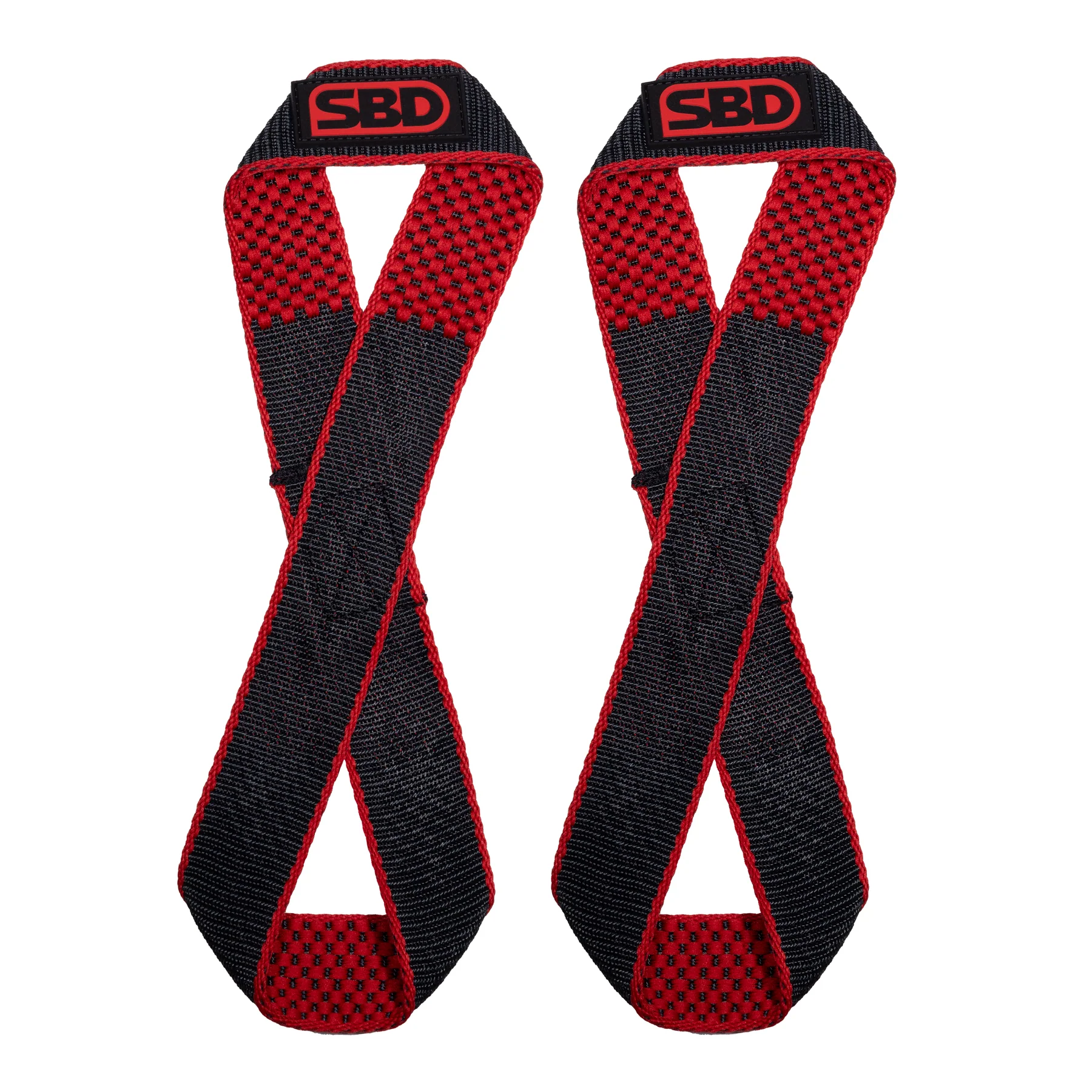
Lifting Straps
Secure your grip so heavy pulling and deadlift volume isn’t cut short by your hands giving out first.
Check OutLearn the lifts
New to any of the movements in this program? Our lift guides break down technique, cues and the common mistakes to avoid.
 Iron Library