What is Strong Curves?
Strong Curves is a 12-week strength and physique program from the book of the same name by Bret Contreras and Kellie Davis. Contreras is a coach and researcher whose doctoral work centred on hip extension biomechanics, and he is the person most responsible for the barbell hip thrust becoming a standard gym movement rather than a curiosity.
The program is glute-focused but it is not glute-only: sessions are full-body, with upper-body pushing and pulling and dedicated core work alongside the lower-body training. The book contains several 12-week templates - a beginner gym program, a bodyweight-only version you can run at home, and an advanced program for people already training seriously.
The four loading vectors
The organising idea behind Strong Curves is that the glutes get loaded in different directions by different exercises, and a complete program covers all of them. Contreras sorts them into four categories, and nearly every session touches all four.
Axial or vertical loading runs down through the spine: squats, lunges, step-ups. Anteroposterior or horizontal loading acts front-to-back through the hips: hip thrusts, glute bridges, kettlebell swings. Lateral and rotary loading covers abduction and external rotation: banded side-steps, side-lying abductions, clamshells. Bending or hinging covers deadlifts, Romanian deadlifts, good mornings and back extensions.
The practical payoff is coverage. A squat-and-deadlift-only program loads the hips hard at the bottom of the range and barely at all at lockout, and it never trains the abductors directly. The horizontal work reverses that curve - a hip thrust produces peak tension at full extension, exactly where a squat produces almost none - and the lateral work fills in a plane the barbell lifts simply do not train.
How the 12 weeks are structured
You train three to four days a week, full body, for twelve weeks. The block is divided into phases of three to four weeks: the movement categories stay constant across the whole program while the specific exercises change between phases, so the structure holds and the stimulus stays fresh.
Every session opens with a short activation warm-up - glute bridges, bird dogs, side-lying abductions and similar - to get the glutes firing before the loaded work. Then you work through the four vectors plus an upper-body push, an upper-body pull and core. Rep ranges are broad, roughly 8–20 depending on the movement, with the heavy hinge and squat work at the low end and the bridge and abduction work at the high end.
Getting the hip thrust right
The hip thrust is the program’s signature lift and the one most people set up badly. Your shoulder blades sit on the edge of a bench at roughly knee height, the bar rests across the hips over a pad, and your feet are placed so the shins are vertical at the top of the rep. Too close and the quads take over; too far out and the hamstrings do.
Drive through the heels, finish with the hips fully extended and a slight posterior pelvic tilt, and keep the ribs down and the chin tucked so your lower back is not doing the extending for you. Pause for a beat at lockout. A one-second hold with a weight you control is worth far more than a heavier bar you hyperextend your way through.
Progressive overload
Progression is straightforward: beat what you did last week. Add reps within the prescribed range until you reach the top of it, then add weight and drop back to the bottom of the range. Log every session - with this many exercises per workout you will not remember what you used.
The beginner template starts largely with bodyweight and light dumbbells, and that is deliberate: the first weeks are about learning the movements and actually feeling the glutes work, not about load. Once technique is solid the hip thrust in particular tolerates weight quickly, and it is normal for it to climb far faster than your squat.
Who it’s for
Strong Curves suits anyone who wants a structured full-body program that prioritises the posterior chain: newer lifters looking for a complete first twelve weeks, and experienced lifters who have noticed their squat and deadlift are not doing much for their glutes. The advanced template holds up for people who already train hard.
It is not a powerlifting program. If your goal is a maximal squat, bench and deadlift total, the vector work will feel like a detour and a dedicated strength template will serve you better. The main versions also assume gym access - the bodyweight template exists for home training, but its ceiling is lower.
Strengths & trade-offs
Strengths: it covers hip training more completely than almost any mainstream program, the structure is clear enough to follow without a coach, and it comes with a real rationale attached rather than a list of exercises. Sessions are full-body, so three days a week is genuinely enough, and rotating exercises between phases keeps it from going stale.
Trade-offs: sessions carry a lot of exercises and can run long, the band and abduction work needs kit some gyms do not stock, and the hip thrust setup stays fiddly until you have done it a few dozen times. Progress on the main barbell lifts is slower than on a dedicated strength program - that is the price of the coverage.
How to run it
Pick the template that matches your experience: start with the beginner program if you have less than a year of consistent training, and use the bodyweight version if you are training at home. Enter your starting weights in the spreadsheet below and keep week one deliberately light while you learn the setups, especially the hip thrust.
Do the activation warm-up. It takes five minutes and it is the difference between feeling the glute work and feeling your quads and lower back. Add reps, then weight, week to week, and run the full twelve weeks before you judge it. After that, either repeat the block with heavier starting numbers or step up to the advanced template.
The spreadsheet
Browse the full program below, or open it in Google Sheets to make your own copy and plug in your numbers.
Spreadsheet via LiftVault. If the preview doesn’t load, use “Open in Google Sheets”.
Equipment
This is a barbell program - you don’t need much, but a few pieces make it run smoothly.
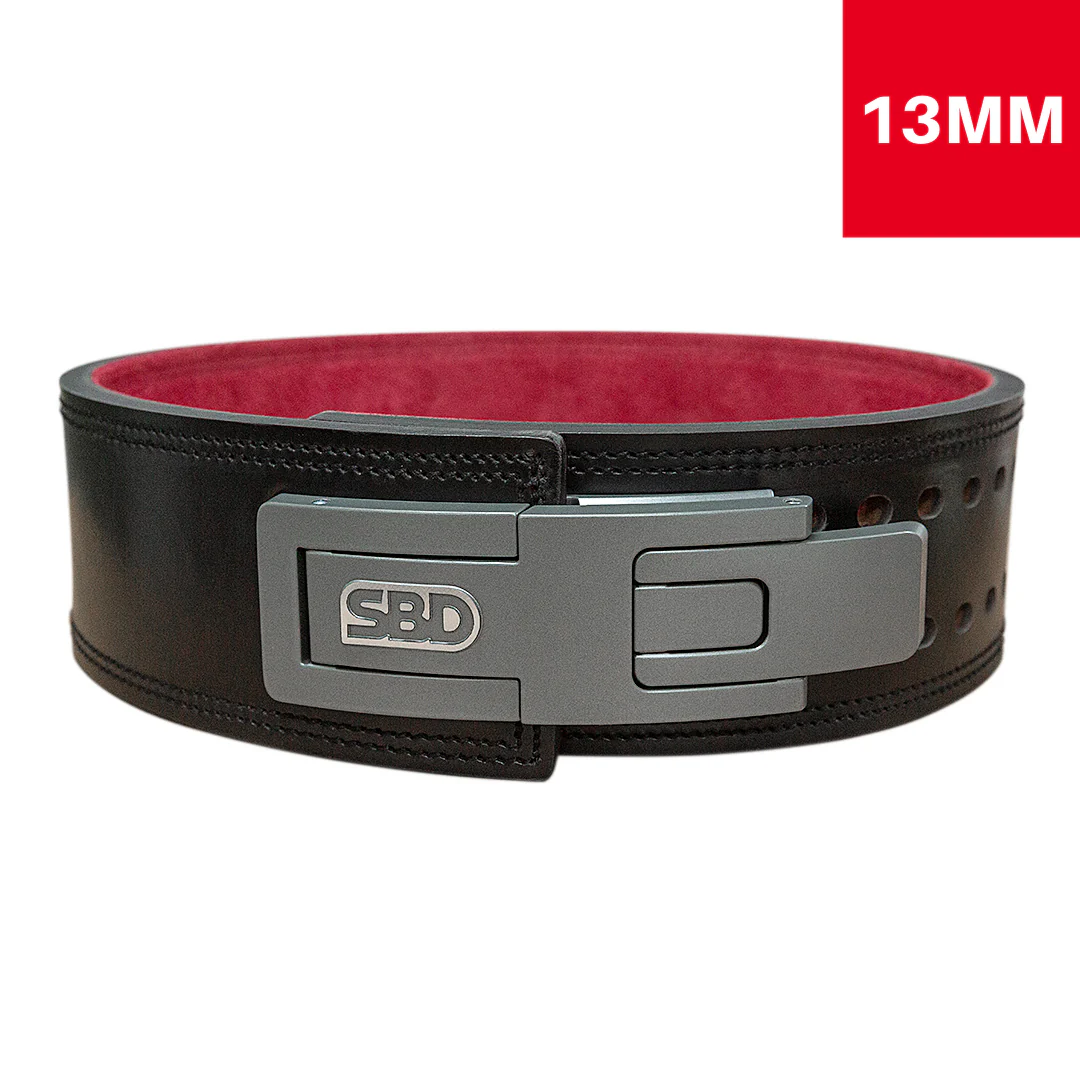
Lifting Belt
Gives your core something to brace against, adding stability and lower-back support on heavy squats and deadlifts.
Check Out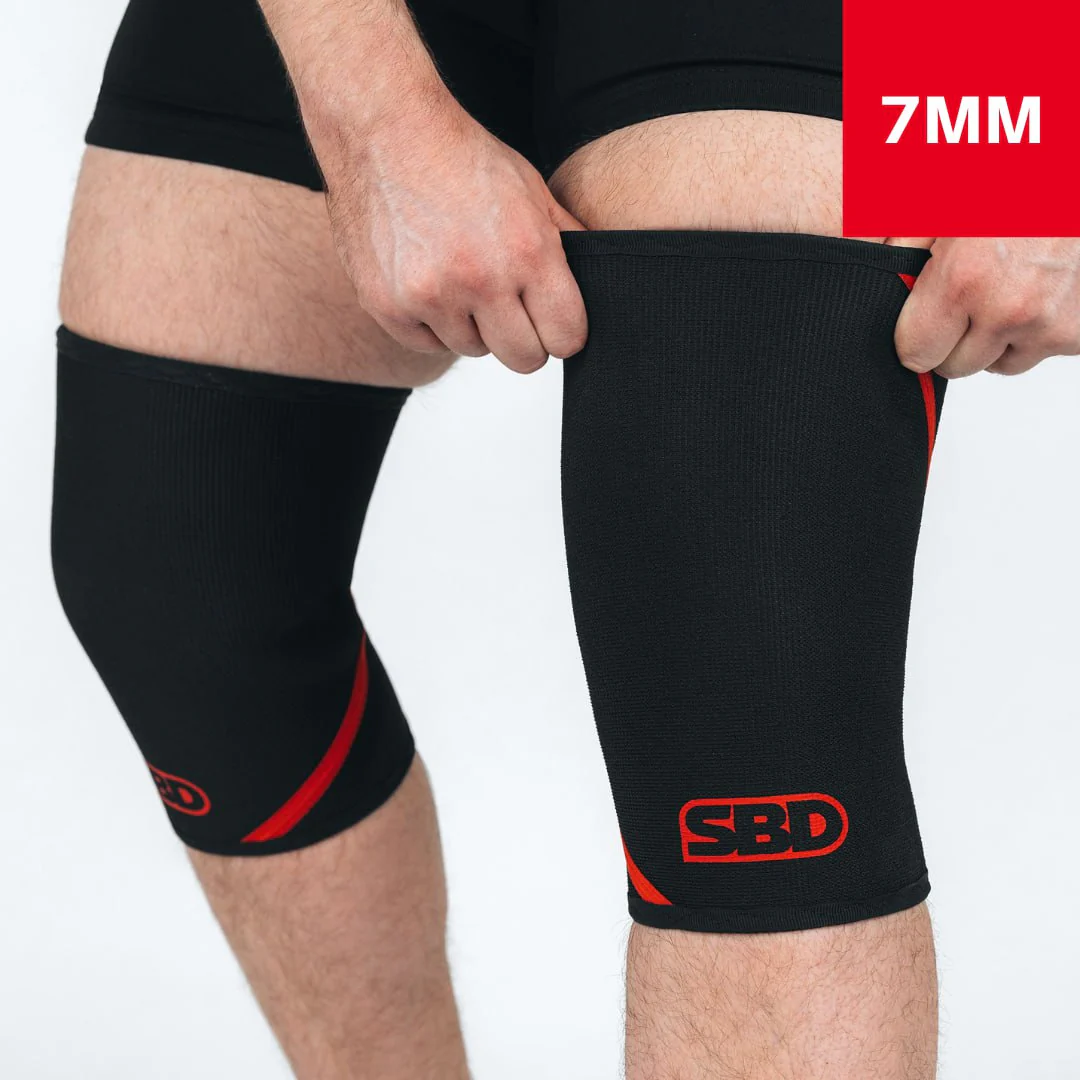
Knee Sleeves
Add warmth and a little support to the knees, plus a small rebound out of the bottom of the squat.
Check OutAny brand works
A barbell hip thrust pad. Loaded hip thrusts are genuinely painful across bare hips - a thick pad, or a folded mat, is what makes the lift usable.
Learn the lifts
New to any of the movements in this program? Our lift guides break down technique, cues and the common mistakes to avoid.
 Iron Library