What is Sheiko?
Sheiko is a family of powerlifting programs written by Boris Sheiko, the legendary Russian coach behind a long line of world-champion lifters. It is famous for one thing above all: volume. You perform the competition lifts - squat, bench and deadlift - again and again at moderate weights, accumulating a huge amount of quality practice.
Rather than a single routine, Sheiko is a collection of numbered plans (the classic #29, #30, #31, #32, #37 and others) plus modern beginner, intermediate and advanced templates. They are organised into preparatory and competition blocks that build toward a meet.
How it works
The defining feature is high volume at submaximal intensity - most work sits between 70% and 85% of your max, done for lots of sets of 2–4 reps. You rarely, if ever, grind a maximal single in training. Instead, the sheer number of clean, controlled reps grooves your technique until the competition lifts feel automatic.
Frequency is also high: you may squat, bench or pull several times a week, sometimes more than once in a single session (for example a heavier bench followed later by a lighter, higher-rep bench). The percentages and set counts are prescribed for you - you follow the sheet exactly rather than autoregulating.
Why the volume matters
Sheiko’s philosophy is that technique is a skill, and skills are built through repetition. By keeping the weights submaximal, every rep can be performed with near-perfect form, so you are practising good movement rather than reinforcing breakdowns that creep in near a true max.
That same volume also builds enormous work capacity and muscular endurance in the competition lifts. The trade-off is that there is comparatively little dedicated hypertrophy or accessory work - the main lifts are the program.
Who it’s for
Sheiko suits intermediate to advanced powerlifters who recover well and want to sharpen their technique and work capacity on the three competition lifts. It rewards lifters who can commit to long, disciplined sessions and who value consistency over novelty.
It is a poor fit for beginners (who progress faster on simpler linear programs), for anyone short on training time, or for lifters chasing primarily size - the low-rep, submaximal main work is aimed at strength and skill, not maximum muscle growth.
Strengths & trade-offs
Strengths: outstanding technical development, huge work capacity, and a proven track record at the highest level of the sport. Because the weights stay submaximal, it is also relatively joint-friendly for the amount of work performed.
Trade-offs: it is notoriously monotonous and time-consuming, the sessions are long, and there is little room to autoregulate around a bad day. Fatigue management is real - you must eat and sleep to keep up with the volume.
How to run it
Pick the template that matches your level (start with a beginner or intermediate plan - do not jump straight into an advanced numbered routine), enter honest maxes, and follow the prescribed percentages and sets to the letter. The value is in doing the volume exactly as written.
Use the spreadsheet below to see the full layout of sets and percentages, or open it in Google Sheets to make your own copy and plug in your numbers.
The spreadsheet
Browse the full program below, or open it in Google Sheets to make your own copy and plug in your numbers.
Spreadsheet via LiftVault. If the preview doesn’t load, use “Open in Google Sheets”.
Equipment
This is a barbell program - you don’t need much, but a few pieces make it run smoothly.
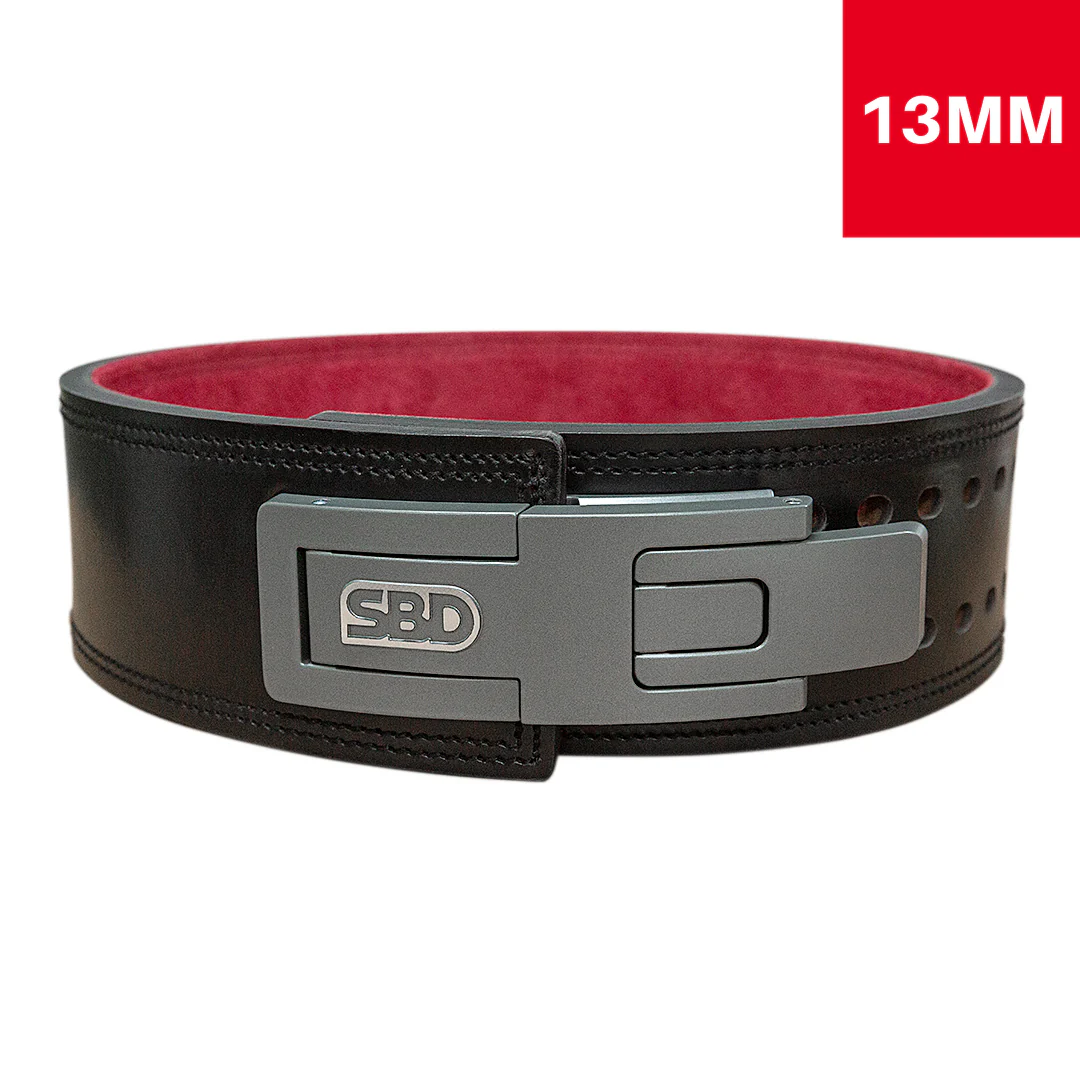
Lifting Belt
Gives your core something to brace against, adding stability and lower-back support on heavy squats and deadlifts.
Check Out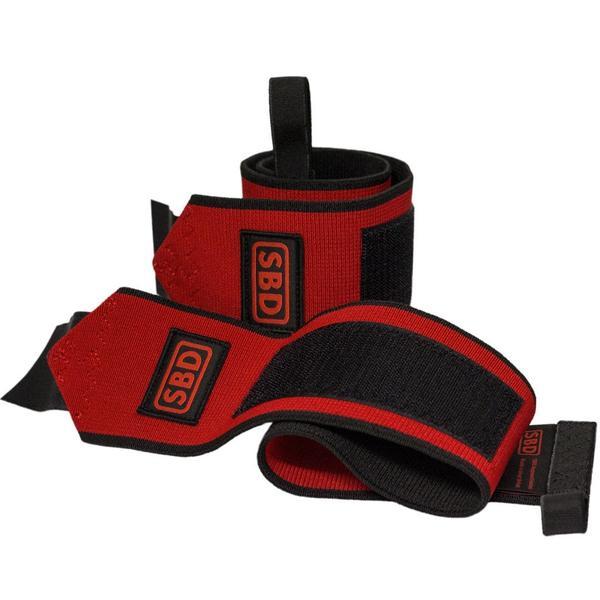
Wrist Wraps
Keep the wrist stacked under the bar on heavy bench and overhead pressing, so the joint doesn’t bend back under load.
Check Out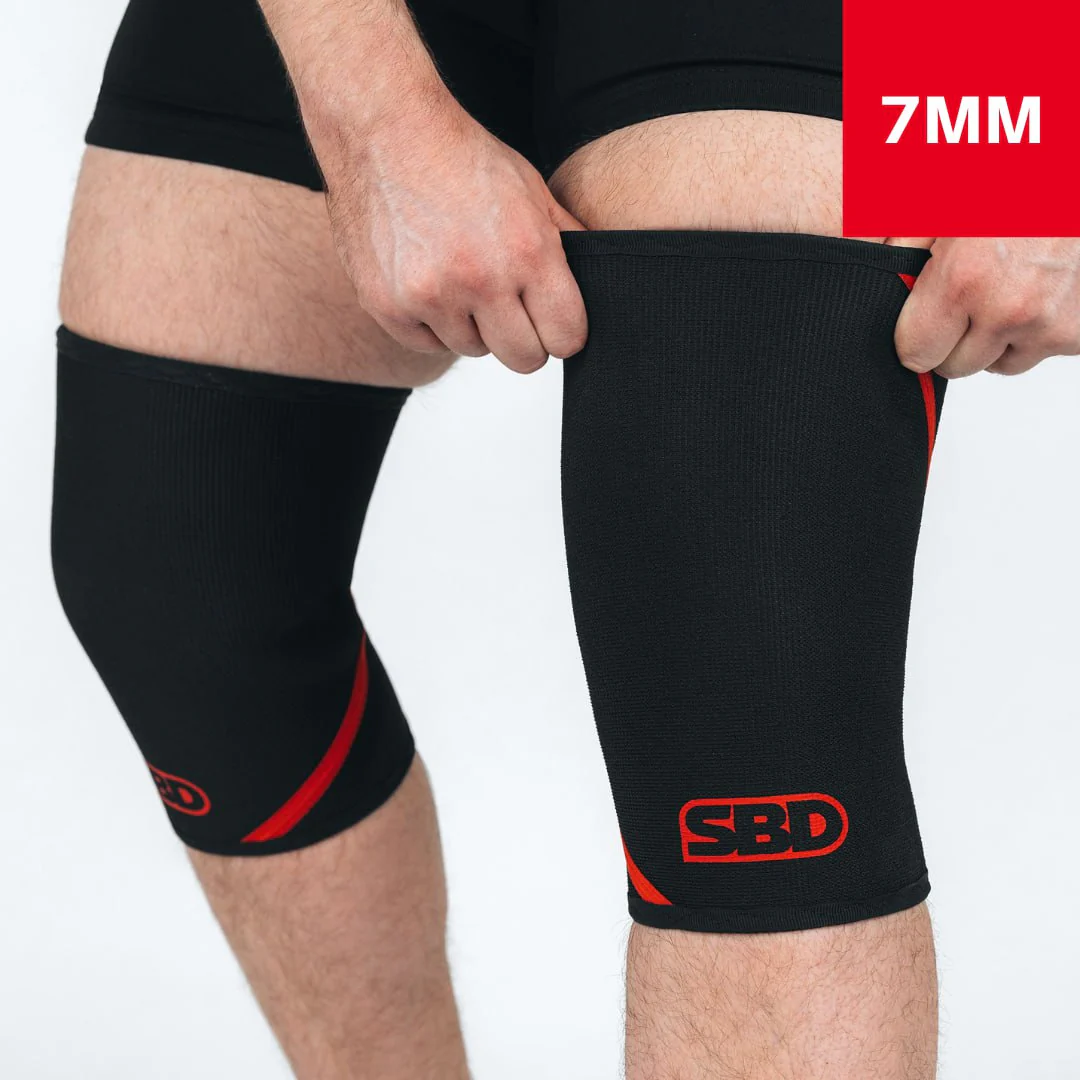
Knee Sleeves
Add warmth and a little support to the knees, plus a small rebound out of the bottom of the squat.
Check Out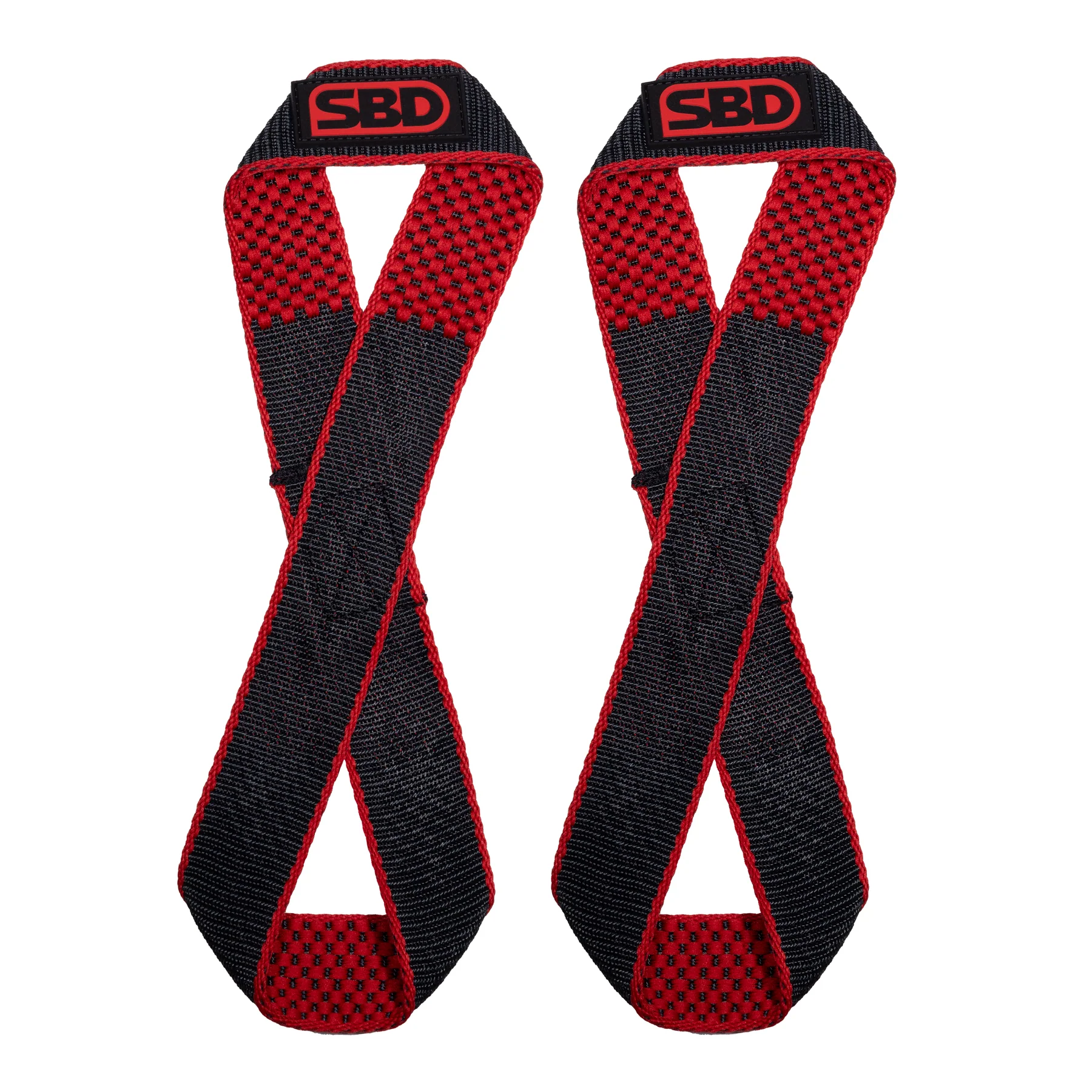
Lifting Straps
Secure your grip so heavy pulling and deadlift volume isn’t cut short by your hands giving out first.
Check OutLearn the lifts
New to any of the movements in this program? Our lift guides break down technique, cues and the common mistakes to avoid.
 Iron Library