What is the RTS General Intermediate program?
Reactive Training Systems is Mike Tuchscherer’s coaching methodology, and it is fair to say it changed how powerlifting is programmed. The RPE scale that is now standard vocabulary in strength training - rating a set by how many reps you had left - entered the sport largely through his work.
The General Intermediate program is that methodology packaged as a ready-made template, so you can run an autoregulated program without first building one from scratch.
How it works
Instead of prescribing a weight, the program prescribes an effort: work up to a top set at a given RPE - say a single at RPE 8, meaning two reps left in the tank - and the weight that turns out to be is your weight for the day.
From that top set, back-off work is calculated as a fatigue percent: a defined drop from the top single, performed for prescribed sets and reps. Because everything is anchored to what you actually did today, a strong day and a flat day both produce appropriate training.
Learning to use RPE
The system asks you to rate sets honestly, and that is a skill rather than an instinct. Most lifters starting out systematically overrate their effort - calling an RPE 8 what was really a 6 - which makes the program lighter than intended and progress slower than it should be.
Calibration comes with practice. Rate every set as you go, occasionally push a set to genuine failure to recalibrate what the top of the scale actually feels like, and expect the first few weeks to be a learning process as much as a training block.
Who it’s for
This is for intermediate powerlifters who have outgrown fixed percentage programs and want their training to respond to how they are actually performing - particularly lifters with inconsistent schedules, demanding jobs or unreliable sleep, where a rigid percentage table is constantly wrong.
Beginners should not run it. Novices cannot yet rate RPE with any accuracy and do not need to - adding weight to the bar every session works fine and requires no judgment. Advanced lifters will typically want a program built around their specific weak points instead.
Strengths & trade-offs
Strengths: training that self-corrects to your current state, no dependence on an accurate one-rep max, an excellent education in reading your own effort, and a system you can keep applying long after this particular template.
Trade-offs: RPE accuracy takes months to develop and the program is only as good as your ratings; the top-single format is demanding on the nervous system; and it gives less day-to-day certainty than a fixed plan, which some lifters find uncomfortable.
How to run it
Read up on the RPE scale before your first session and write your rating down immediately after each top set, before you have time to rationalise it. Video helps enormously in the early weeks - bar speed does not lie the way memory does.
Open the spreadsheet below and enter your ratings as you go so the back-off work calculates correctly. Accept that your first block is partly calibration; the second time you run an RPE program it will be noticeably more accurate and more productive.
The spreadsheet
Browse the full program below, or open it in Google Sheets to make your own copy and plug in your numbers.
Spreadsheet via LiftVault. If the preview doesn’t load, use “Open in Google Sheets”.
Equipment
This is a barbell program - you don’t need much, but a few pieces make it run smoothly.
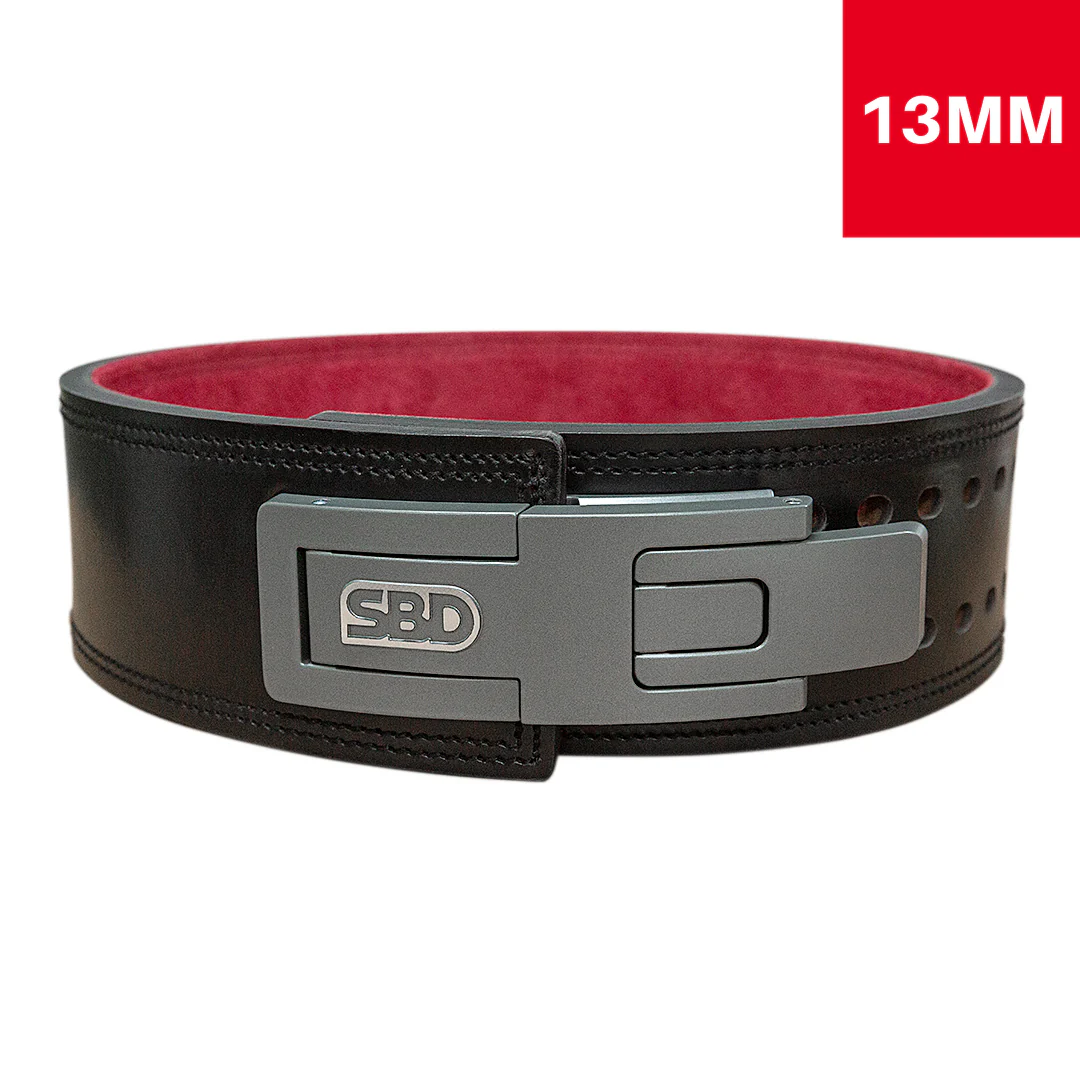
Lifting Belt
Gives your core something to brace against, adding stability and lower-back support on heavy squats and deadlifts.
Check Out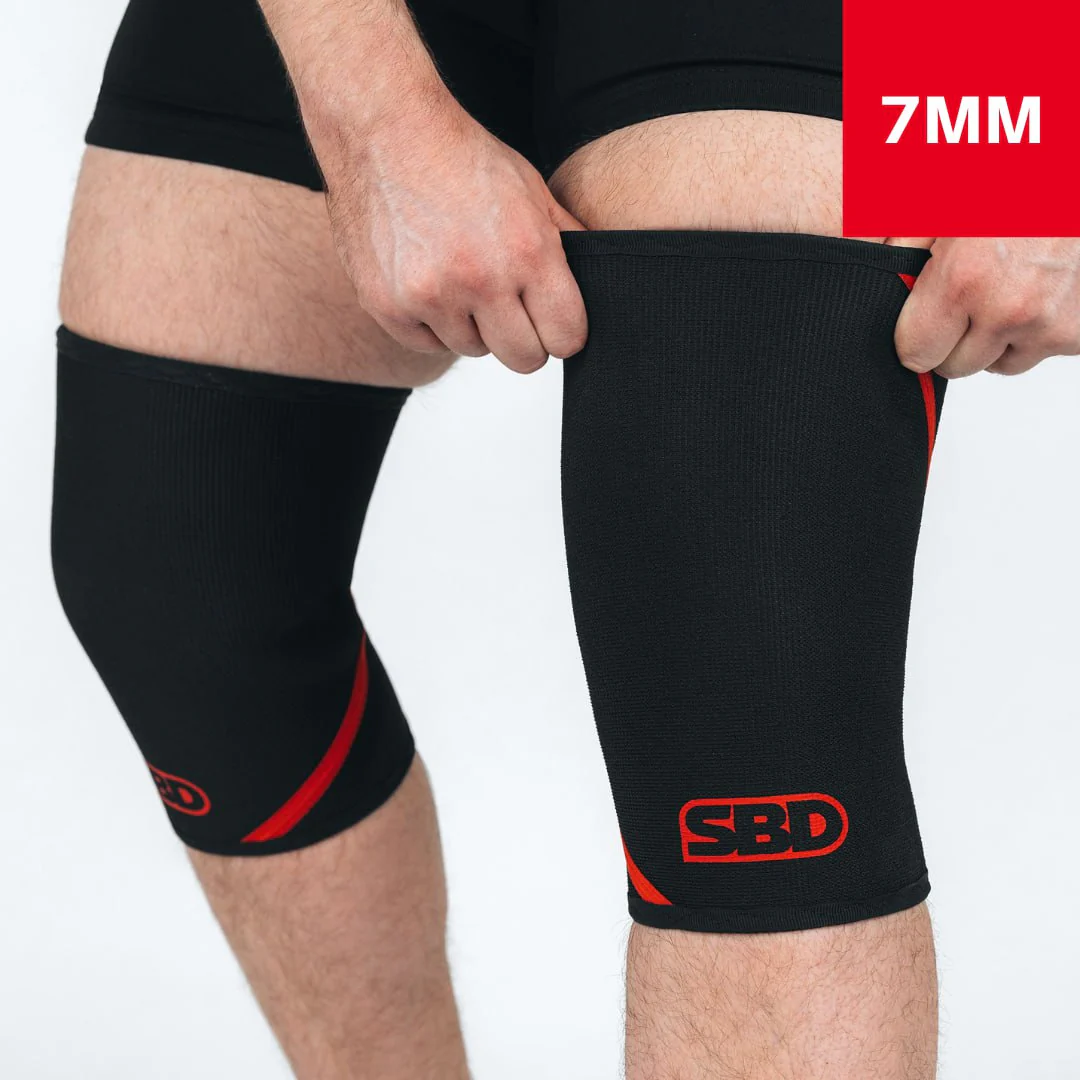
Knee Sleeves
Add warmth and a little support to the knees, plus a small rebound out of the bottom of the squat.
Check Out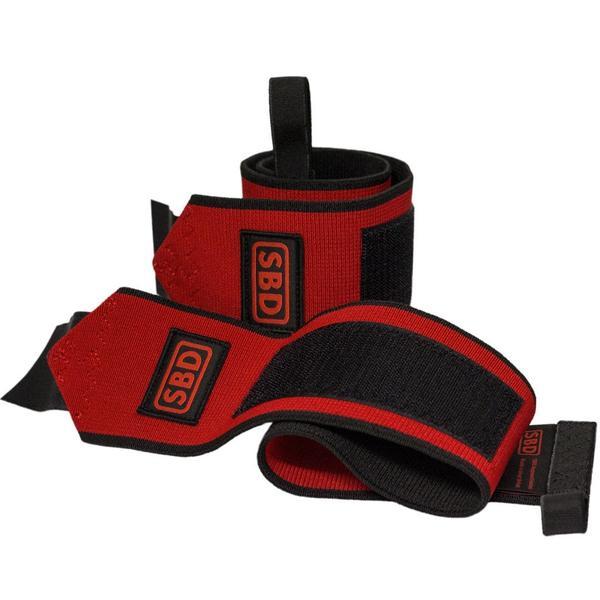
Wrist Wraps
Keep the wrist stacked under the bar on heavy bench and overhead pressing, so the joint doesn’t bend back under load.
Check Out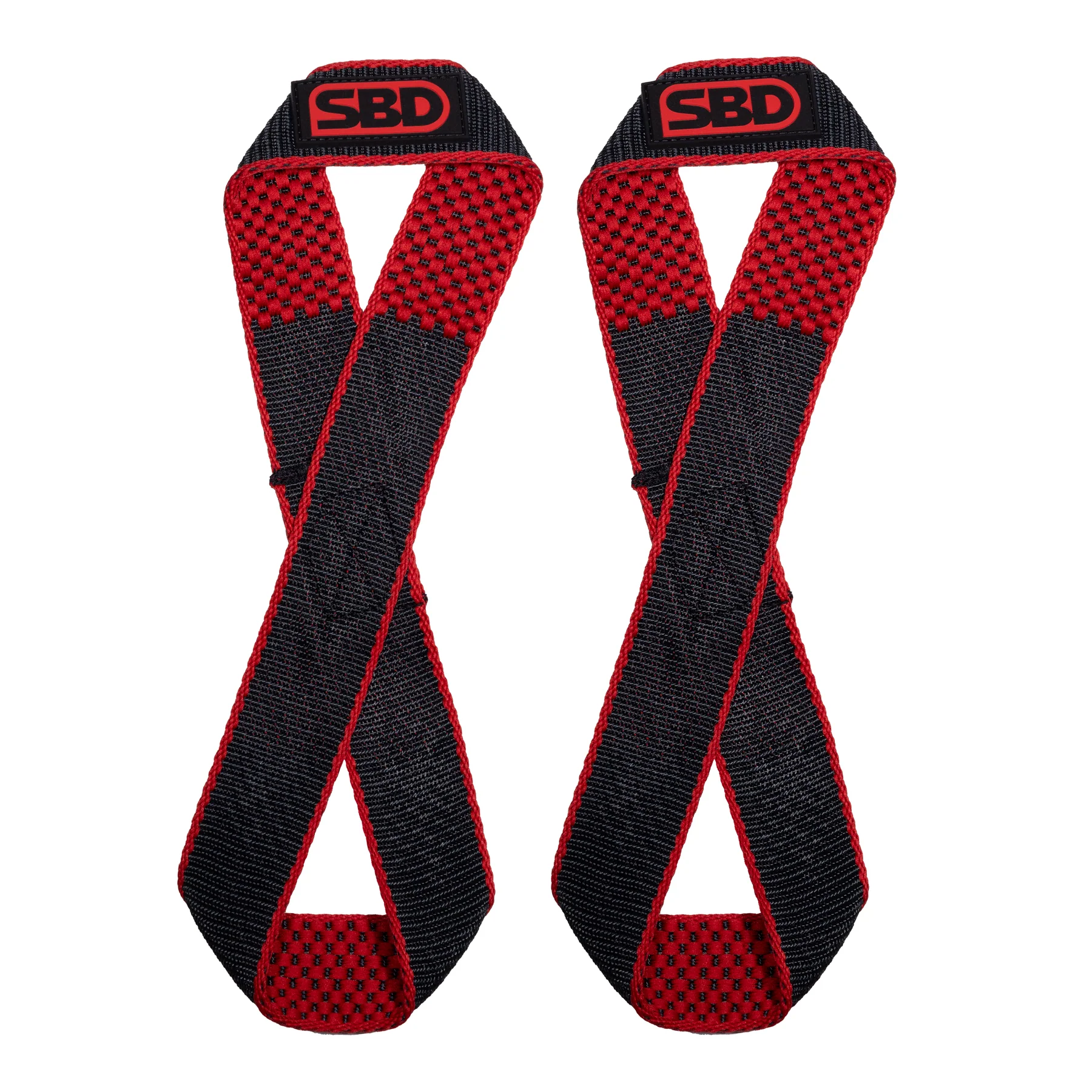
Lifting Straps
Secure your grip so heavy pulling and deadlift volume isn’t cut short by your hands giving out first.
Check OutLearn the lifts
New to any of the movements in this program? Our lift guides break down technique, cues and the common mistakes to avoid.
 Iron Library