What is the Reddit PPL program?
The Reddit PPL is a six-day push/pull/legs routine written by u/Metallicadpa and posted to r/Fitness, where it became the community’s default answer to “I finished a linear progression, now what?” The version everyone runs is v3.04, and the spreadsheet below is the same one that has been passed around the subreddit for years.
It is a hybrid. The heavy compounds progress like a beginner program - complete the reps, add weight - while everything around them is straight bodybuilding volume in the 8–12 and 15–20 rep ranges. That combination is why lifters coming off Starting Strength or StrongLifts gravitate to it: the strength progression feels familiar, but arms, delts and upper back are finally in the plan.
The six-day split
You run push, pull, legs, then push, pull, legs again, with one rest day. The two passes are not identical: the bench press leads one push day and the overhead press leads the other, and the same swap happens between heavy rows and deadlifts across the two pull days, so every main lift gets one heavy slot per week.
Each session opens with that heavy compound for straight sets of five, with the final set taken as an AMRAP and written 5+. Everything after it is accessory work - incline dumbbell press, lateral raises, tricep and bicep work on push days; lat pulldowns, cable rows, face pulls and curls on pull days; Romanian deadlifts, leg press, leg curls and calves on legs days.
Expect sixty to ninety minutes per session depending on how long you rest and how much of the accessory list you actually finish.
How the compounds progress
The main lifts run on plain linear progression. Hit every prescribed rep and add 5 lb to the upper-body lifts and 10 lb to squats and deadlifts the next time that lift comes up. Because each compound holds its heavy slot once per week, that is a weekly jump rather than the per-session jump you had on a novice LP - slower on paper, but sustainable for far longer.
When you miss reps you repeat the weight rather than pushing on. Three failed attempts at the same weight and you deload that lift by roughly 10% and build back up, the same stall logic StrongLifts uses. Dropping a lift from five work sets to three before deloading is a common way to buy another few weeks.
Double progression on the accessories
The accessory work uses double progression instead of a weight schedule. A movement prescribed for 3 sets of 8–12 stays at the same weight until you hit 12 reps on every set; then you add the smallest available jump and climb again from the bottom of the range. Face pulls and lateral raises in the 15–20 range work the same way.
This is the part newer lifters quietly skip, and it is the part that builds the physique the program is known for. Log the reps. Without a record you will do the same weight for the same eight reps for six months and wonder why nothing changed.
If you can’t train six days
Six sessions a week is the real barrier, and it is worth being honest about it before you start rather than in week five. The program assumes you can get to a gym almost every day, recover from it, and eat enough to support it. Running a six-day program four days a week is not a modification - it breaks the weekly progression the whole thing is built on.
Three- and four-day variants circulate widely: push/pull/legs once through, or a push/pull/legs/upper rotation. They work fine - you simply progress each lift once a week and accept less total volume. If your schedule is genuinely unpredictable, a four-day upper/lower or a 5/3/1 template will serve you better than a six-day plan you keep missing.
Who it’s for
This is for the lifter who has finished a novice linear progression, wants to look like they lift as much as they want to be strong, and can genuinely commit six days a week. It also suits anyone who found Starting Strength or StrongLifts too bare - the accessory volume here is the entire point of the program.
Skip it if you are a true beginner, since a three-day linear progression will get you further and faster for a fraction of the time in the gym. Skip it too if you are a competitive powerlifter needing squat and deadlift specificity, or if six days a week is aspirational rather than realistic.
Strengths & trade-offs
Strengths: high frequency, generous hypertrophy volume, a forgiving progression scheme borrowed from the novice programs, and a free spreadsheet that lays out every set and rep. It builds strength and size at once, which is exactly what most lifters actually want coming off an LP.
Trade-offs: the time cost is enormous, and the long accessory list is the first casualty when a session runs late - then the program stops delivering what it was chosen for. Squat frequency is modest for a strength-focused lifter, and the deadlift gets comparatively little attention next to all the pressing.
How to run it
Seed the sheet with weights you can hit for a clean set of five on each compound, and go lighter than your ego wants - the jumps come weekly and the program is meant to run for months, so starting heavy buys you nothing. Leave accessory weights blank and fill them in as you find them in the first week.
Run the rotation, add weight whenever you complete all the reps, repeat the weight when you miss, and deload 10% after the third miss. Log accessory reps so the double progression has something to work from. When the compounds stall even after resets, 5/3/1 with a hypertrophy template like Boring But Big is the natural next step.
The spreadsheet
Browse the full program below, or open it in Google Sheets to make your own copy and plug in your numbers.
Spreadsheet via LiftVault. If the preview doesn’t load, use “Open in Google Sheets”.
Equipment
This is a barbell program - you don’t need much, but a few pieces make it run smoothly.
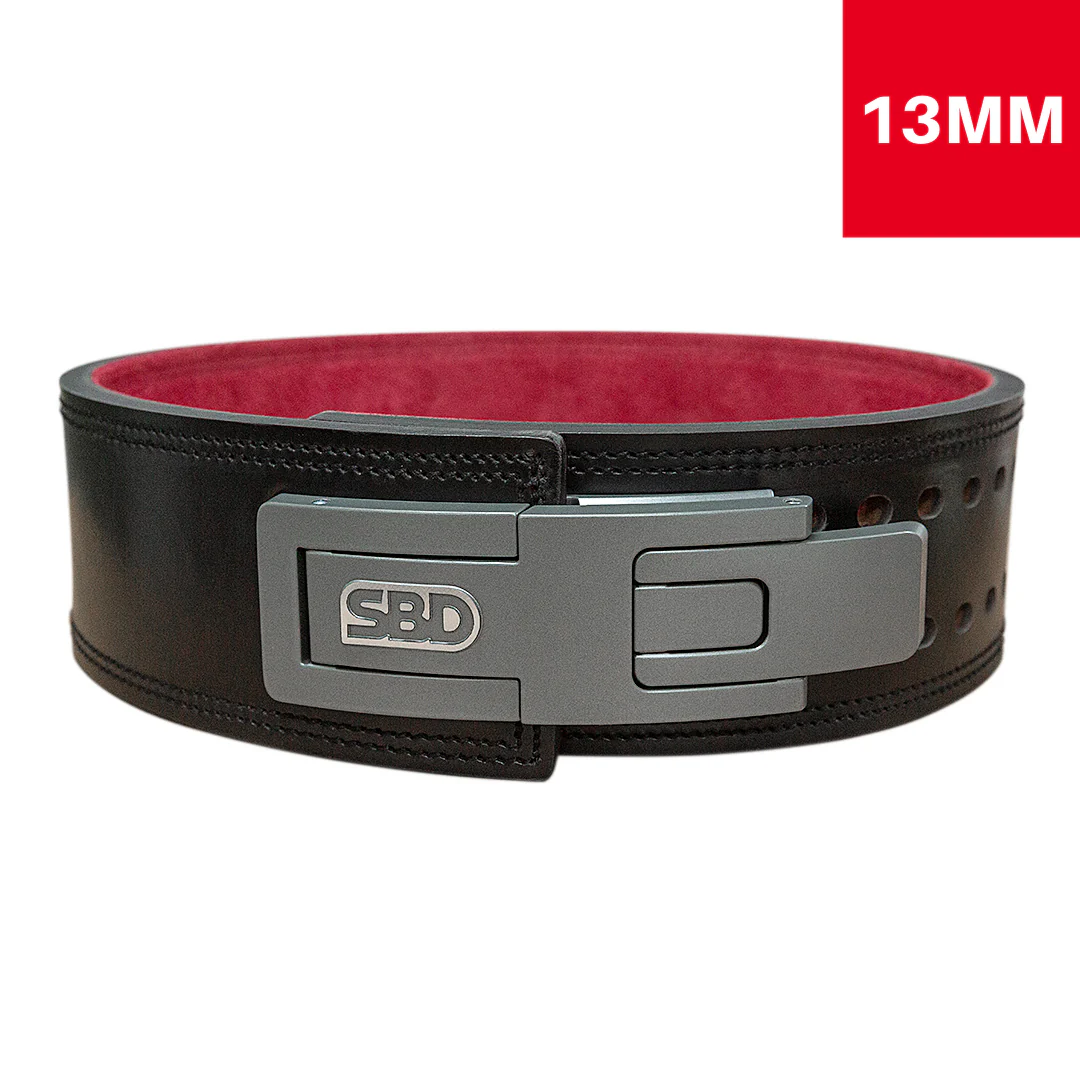
Lifting Belt
Gives your core something to brace against, adding stability and lower-back support on heavy squats and deadlifts.
Check Out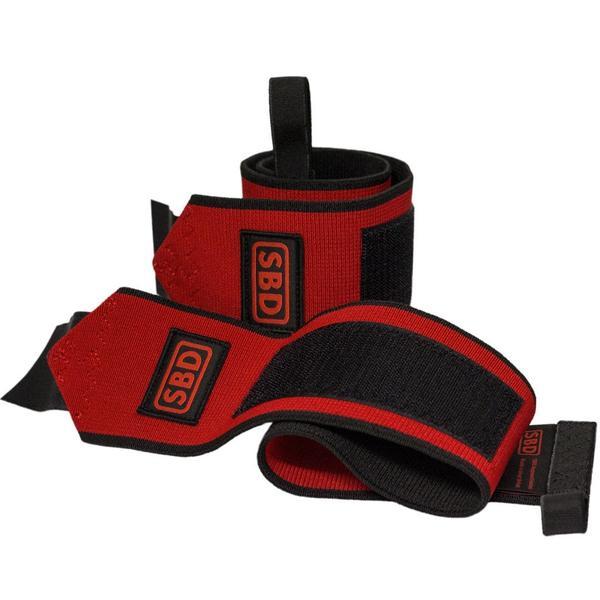
Wrist Wraps
Keep the wrist stacked under the bar on heavy bench and overhead pressing, so the joint doesn’t bend back under load.
Check Out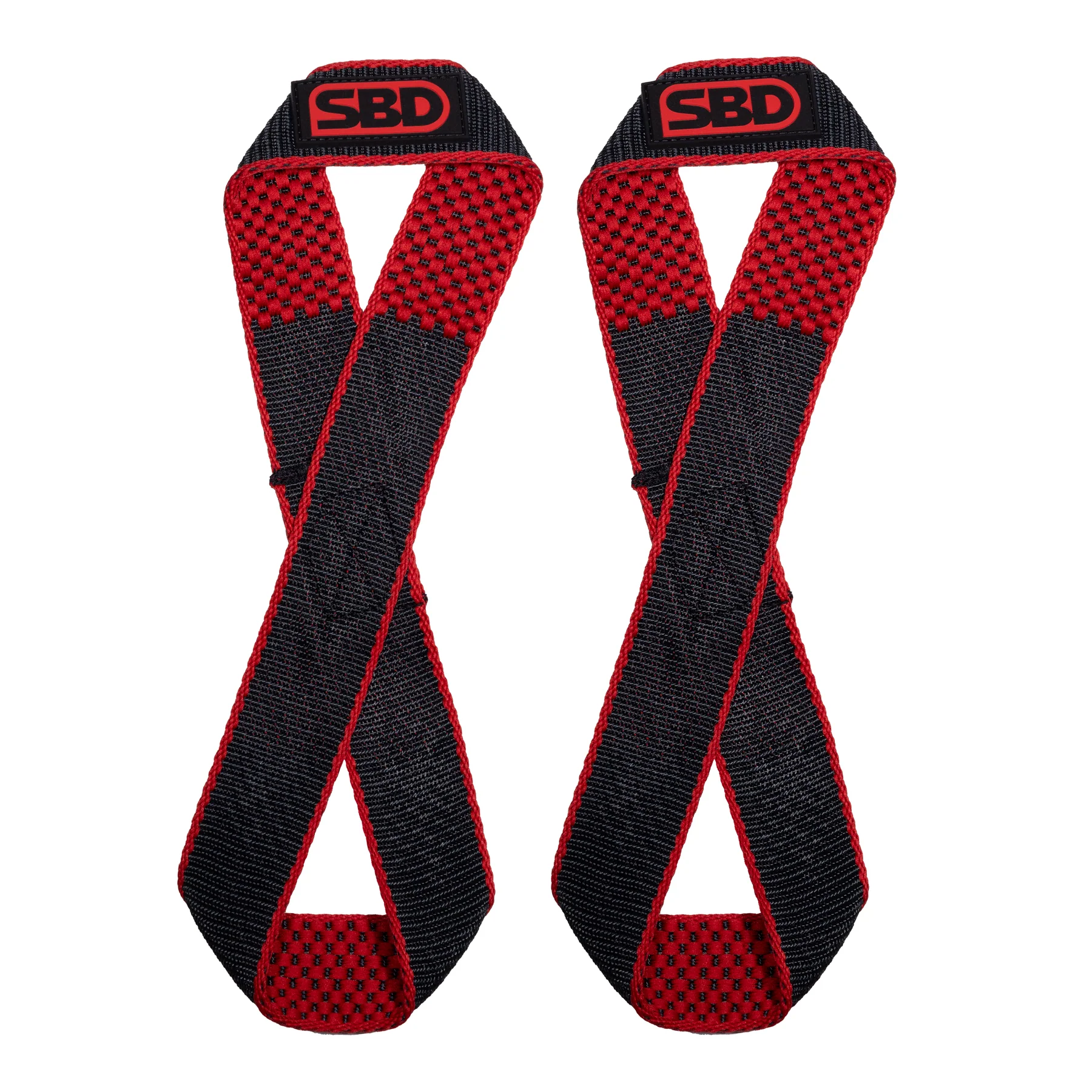
Lifting Straps
Secure your grip so heavy pulling and deadlift volume isn’t cut short by your hands giving out first.
Check OutLearn the lifts
New to any of the movements in this program? Our lift guides break down technique, cues and the common mistakes to avoid.
 Iron Library