
What is PHUL?
PHUL - Power Hypertrophy Upper Lower - is Brandon Campbell’s four-day powerbuilding split, and one of the most recommended “I want to be big and strong” programs on the internet. The idea is simple: stop choosing between strength training and bodybuilding by giving each its own days.
Two days a week you train heavy for strength, and two days you chase volume for size, with the week split between upper-body and lower-body sessions. Every major muscle gets hit twice a week in two different rep ranges.
The four days
The classic layout is: Day 1 upper power, Day 2 lower power, a rest day, then Day 4 upper hypertrophy and Day 5 lower hypertrophy. Power days are built around the big compounds - bench press and rows up top, squats and deadlifts below - for 3–5 sets of 3–5 reps with full rests.
Hypertrophy days revisit the same movement patterns with lighter variations and isolation work for 8–15 reps and shorter rests - incline presses, flyes, leg presses, curls, extensions. The power days build the strength that lets you use heavier weights on volume day; the volume days build the muscle that pushes the power days up.
Progressing it
PHUL uses simple double progression rather than an automated scheme: work within the prescribed rep range, and when you hit the top of the range on all sets with clean form, add weight and build back up. On the power-day compounds, that means grinding from 3s and 4s back to 5s before the next jump.
Because nothing progresses automatically, the program is exactly as good as your logbook. Track every session and treat beating it as the goal; drift is what kills people on templates like this.
Who it’s for
PHUL is for lifters past the novice phase who want strength and physique development in the same week and can train four fixed days. It is a natural next step after a linear progression when you know you care about how you look as much as what you lift.
It is not a peaking program (there is no taper or test built in), and true beginners will progress faster on a simpler linear program before splitting their week like this.
Strengths & trade-offs
Strengths: twice-weekly frequency for every muscle, a clean separation of heavy and volume work that keeps both quality, flexible exercise selection in the accessory slots, and a schedule that fits real life.
Trade-offs: progression is entirely on you, the hypertrophy days are easy to turn into junk volume if you pick too many toys, and there is no built-in deload - take one every 6–8 weeks when the power days start feeling stale.
How to run it
Pick your accessory exercises once and keep them for at least eight weeks so progress is measurable. Push the power-day compounds hard, leave a rep in reserve on hypertrophy work, and log everything.
The spreadsheet below lays out all four days with the classic exercise selection; copy it in Google Sheets and adjust the accessories to your weak points.
The spreadsheet
Browse the full program below, or open it in Google Sheets to make your own copy and plug in your numbers.
Spreadsheet via LiftVault. If the preview doesn’t load, use “Open in Google Sheets”.
Equipment
This is a barbell program - you don’t need much, but a few pieces make it run smoothly.

Lifting Belt
Gives your core something to brace against, adding stability and lower-back support on heavy squats and deadlifts.
Check Out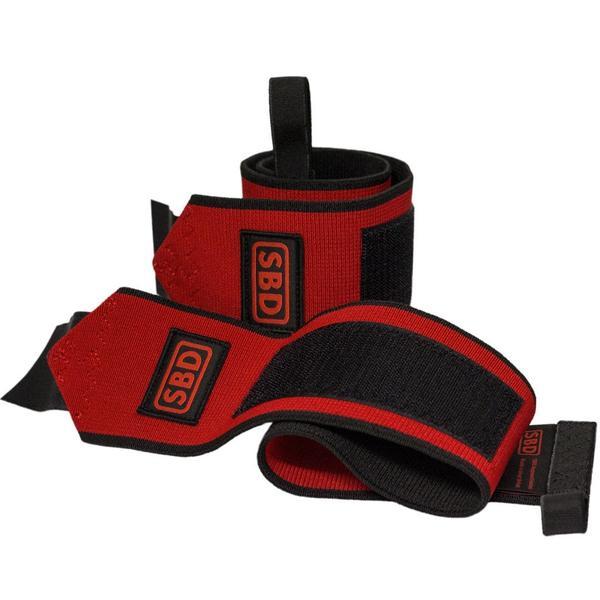
Wrist Wraps
Keep the wrist stacked under the bar on heavy bench and overhead pressing, so the joint doesn’t bend back under load.
Check Out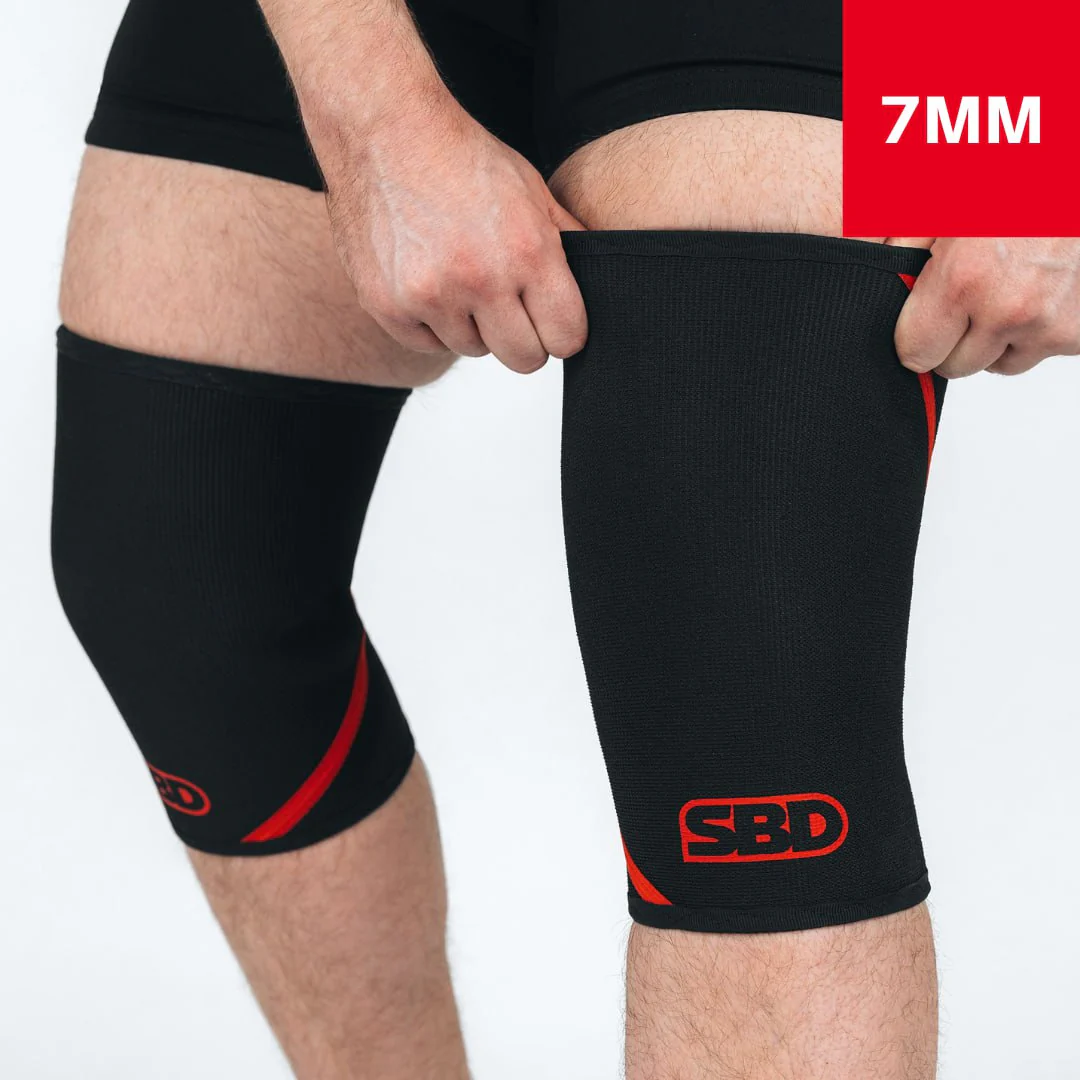
Knee Sleeves
Add warmth and a little support to the knees, plus a small rebound out of the bottom of the squat.
Check Out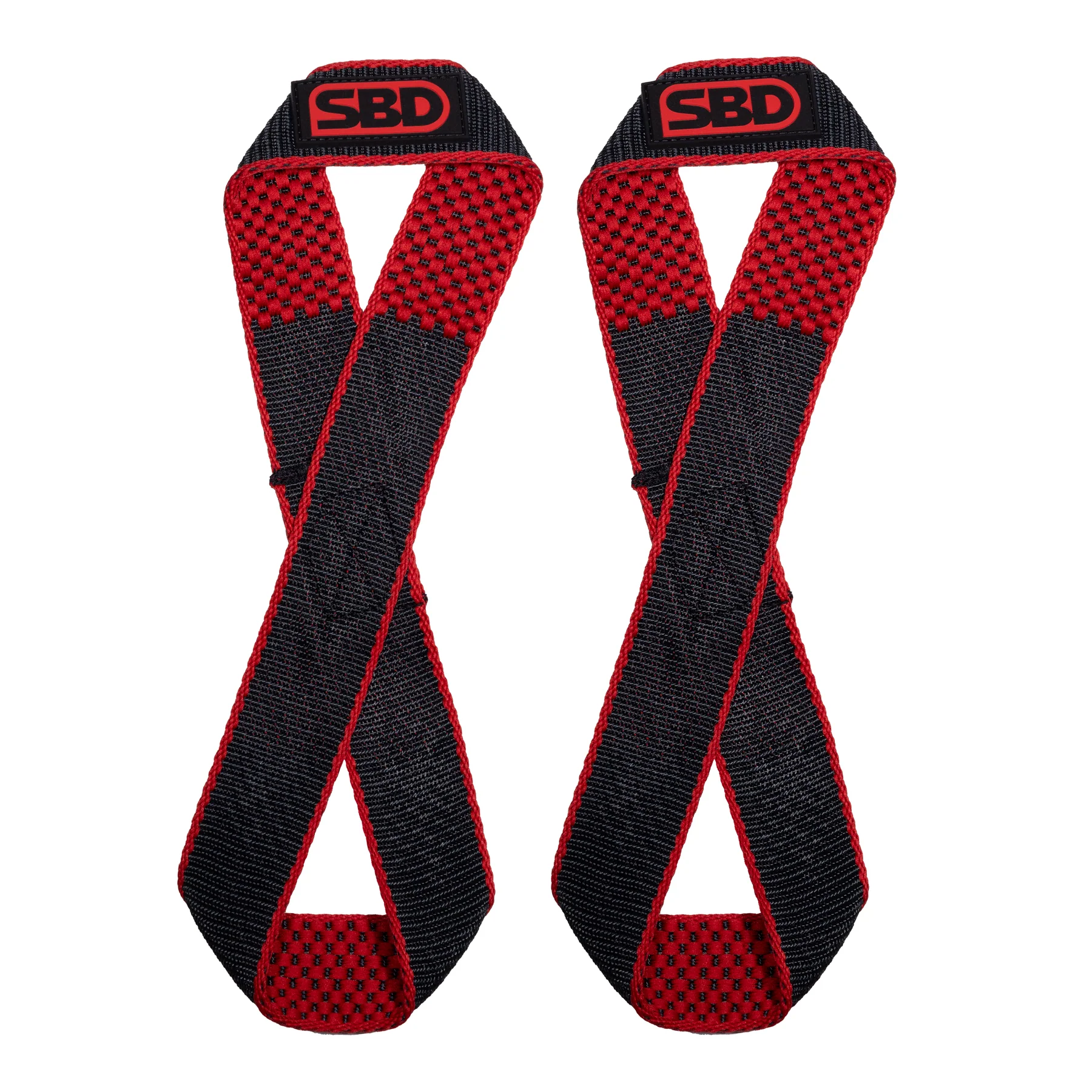
Lifting Straps
Secure your grip so heavy pulling and deadlift volume isn’t cut short by your hands giving out first.
Check OutLearn the lifts
New to any of the movements in this program? Our lift guides break down technique, cues and the common mistakes to avoid.
 Iron Library