What is the Pendlay beginner program?
Glenn Pendlay was one of the most influential American weightlifting coaches, and this beginner program is his answer to the question every new weightlifter faces: how do you learn two of the most technical movements in sport while also getting strong enough to perform them?
The answer is frequency. The competition lifts appear in every session, performed at loads light enough that technique holds together, while a straightforward squat progression builds the strength base underneath.
How it works
Three sessions a week, each containing snatch work, clean and jerk work, and squatting. The classical lifts are trained with plenty of sets at modest reps - singles, doubles and triples - because the movements degrade quickly under fatigue and a sloppy rep teaches you the wrong thing.
Strength work progresses linearly in the same way a barbell novice program does: add weight to the squat each session or each week while you can. Pulls and other supporting movements fill out the session, and the spreadsheet lays out the loading.
Why low reps and high frequency
The snatch and clean and jerk are skills first. Doing sets of ten would be an endurance exercise in performing the lift badly, because positions break down long before the muscles do - so weightlifting programs use many low-rep sets instead.
High frequency does the rest. Practising a complex skill three times a week produces far faster learning than once a week, which is why nearly every weightlifting program, from beginner to international level, trains the classical lifts most sessions.
Who it’s for
This is for beginners getting into Olympic weightlifting - lifters crossing over from powerlifting or general strength training, CrossFit athletes wanting to actually learn the lifts, and anyone starting from scratch with access to a bumper-plate platform.
It assumes reasonable mobility, particularly in the overhead position and the bottom of the squat. If you cannot yet hold a bar overhead in a squat, spend some time on that alongside the early weeks - and get coaching if you possibly can. These lifts are hard to self-teach from a spreadsheet.
Strengths & trade-offs
Strengths: high technical frequency where it matters most, a simple strength progression that new lifters respond to, only three sessions a week, and a structure that comes from one of the sport’s most respected coaches.
Trade-offs: it needs equipment most commercial gyms do not have - bumper plates, a platform, somewhere you are allowed to drop a bar - and it really does want a coach. Progress without eyes on your technique is much slower and much more frustrating.
How to run it
Start with the empty bar or a technique bar for as long as it takes for the positions to be repeatable. There is no benefit to loading a snatch you cannot yet perform, and every heavy bad rep makes the pattern harder to fix later.
Open the spreadsheet below for the session layout and loading. Film your lifts from the side every session - it is the closest thing to a coach if you do not have one - and prioritise consistency in the classical lifts over the numbers on your squat.
The spreadsheet
Browse the full program below, or open it in Google Sheets to make your own copy and plug in your numbers.
Spreadsheet via LiftVault. If the preview doesn’t load, use “Open in Google Sheets”.
Equipment
This is a barbell program - you don’t need much, but a few pieces make it run smoothly.
Any brand works
Weightlifting shoes. The raised, solid heel is close to essential for holding position in the bottom of a snatch or a clean.
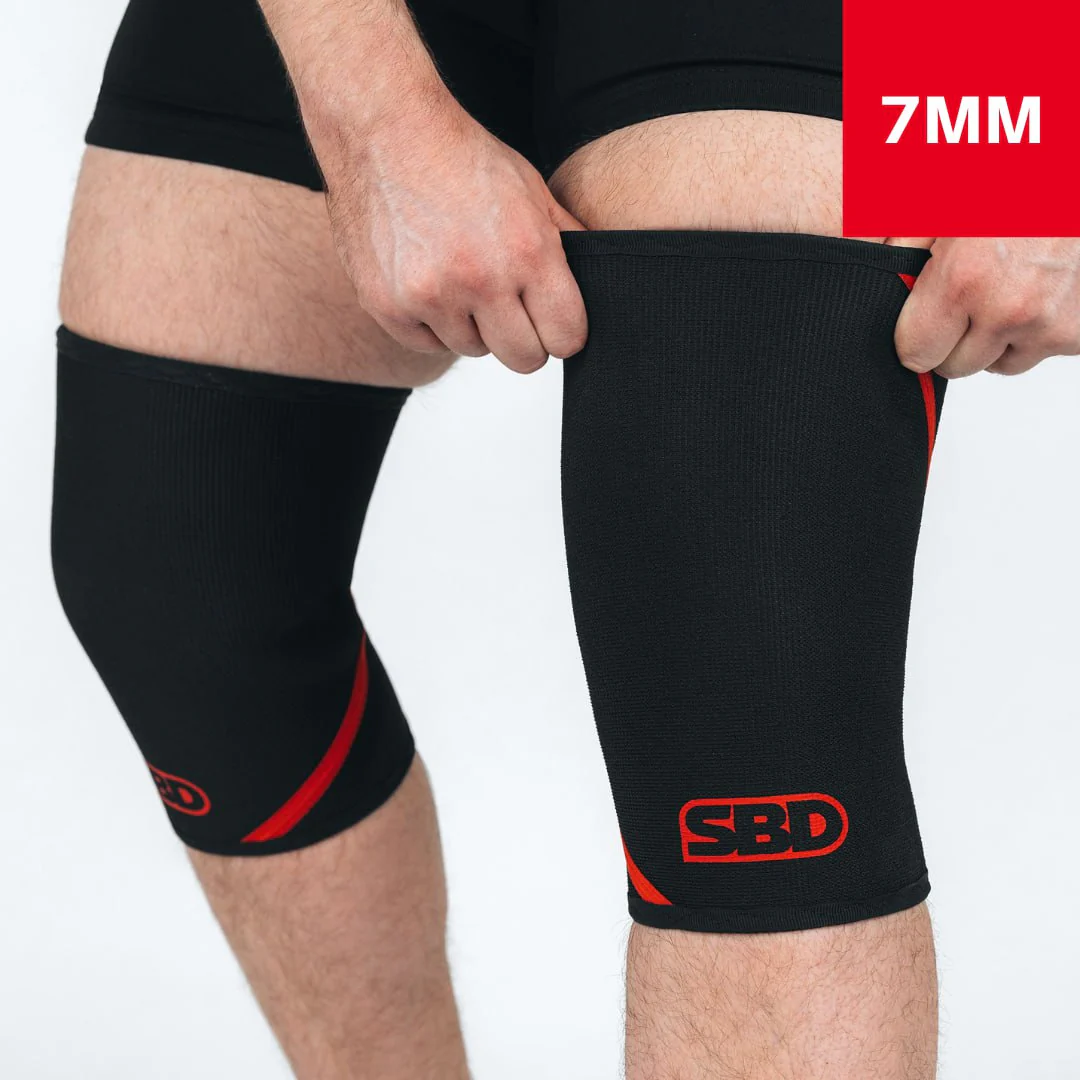
Knee Sleeves
Add warmth and a little support to the knees, plus a small rebound out of the bottom of the squat.
Check Out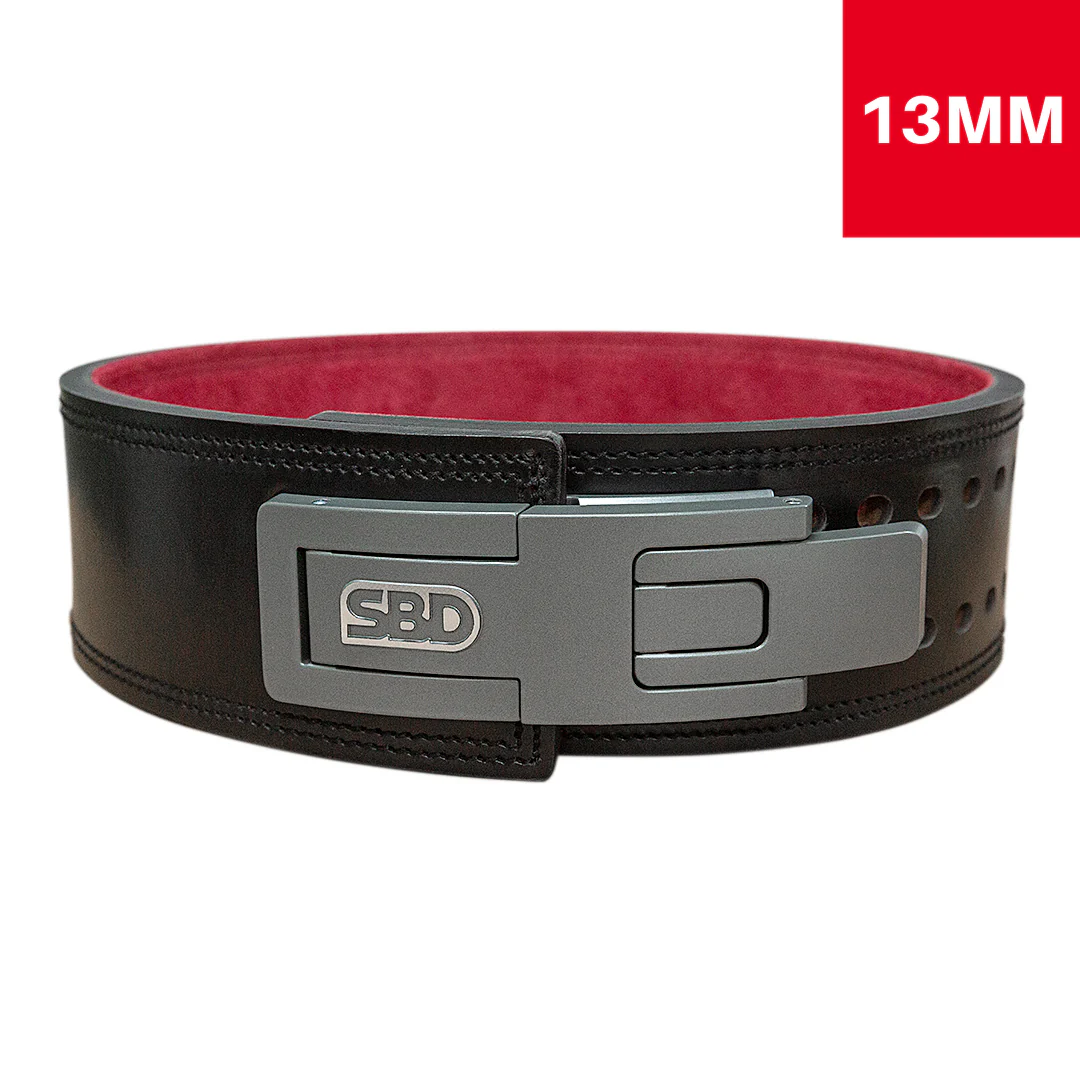
Lifting Belt
Gives your core something to brace against, adding stability and lower-back support on heavy squats and deadlifts.
Check OutAny brand works
Bumper plates and a platform, or a gym that has them. You need to be able to drop the bar safely from overhead.
Learn the lifts
New to any of the movements in this program? Our lift guides break down technique, cues and the common mistakes to avoid.
 Iron Library