
What is nSuns?
nSuns is a hugely popular 5/3/1 variant that grew out of the r/weightroom and r/fitness communities. It takes Wendler’s training-max framework and cranks up the volume, turning a fairly minimalist program into a high-volume grind with progression written directly into the spreadsheet.
It comes in several templates - 4-day, 5-day, 6-day and CAP variants - so you can pick the frequency that fits your schedule and recovery.
How it works
Each main lift day has you perform eight or nine sets that ramp up in weight, with one designated "1+" set - an AMRAP where you do as many reps as possible. That top AMRAP set is the engine of the program: the number of reps you hit determines how much your training max goes up the following week, automatically.
On top of the heavy main work sits a secondary lift and a stack of accessories, so total weekly volume is high. Everything is calculated from your training maxes and laid out for you in the sheet.
Built-in progression
The clever part is the auto-regulated training-max bump. Hit only the minimum reps on your 1+ set and the training max nudges up a little; smash it for many reps and it jumps more. Progress is fast because it is tied directly to your weekly performance.
That speed comes at a cost: the volume is high and relentless, so recovery, food and sleep have to keep pace or the AMRAP reps start sliding.
Who it’s for
nSuns is best for intermediate lifters with good recovery who want fast progress and enjoy high-volume training. If you have run a basic 5/3/1 and found it too light, nSuns is the natural, more aggressive step up.
It is not for beginners (the volume is overkill and progress is available more simply), nor for lifters who are short on time or already struggling to recover.
Strengths & trade-offs
Strengths: rapid strength gains, automatic weekly progression, and plenty of volume for size - all pre-calculated in the spreadsheet so there is nothing to think about day to day.
Trade-offs: it is very fatiguing and time-consuming, easy to over-reach on if you set training maxes too high, and unforgiving if your recovery slips. Start the training maxes low.
How to run it
Pick a template (the 4-day is the common starting point), enter conservative training maxes, and let the sheet drive the weights and progression. Chase a strong 1+ set each session but keep a rep or two in reserve rather than truly failing.
Open the spreadsheet below to explore the templates, or copy it in Google Sheets to run your own numbers.
The spreadsheet
Browse the full program below, or open it in Google Sheets to make your own copy and plug in your numbers.
Spreadsheet via LiftVault. If the preview doesn’t load, use “Open in Google Sheets”.
Equipment
This is a barbell program - you don’t need much, but a few pieces make it run smoothly.

Lifting Belt
Gives your core something to brace against, adding stability and lower-back support on heavy squats and deadlifts.
Check Out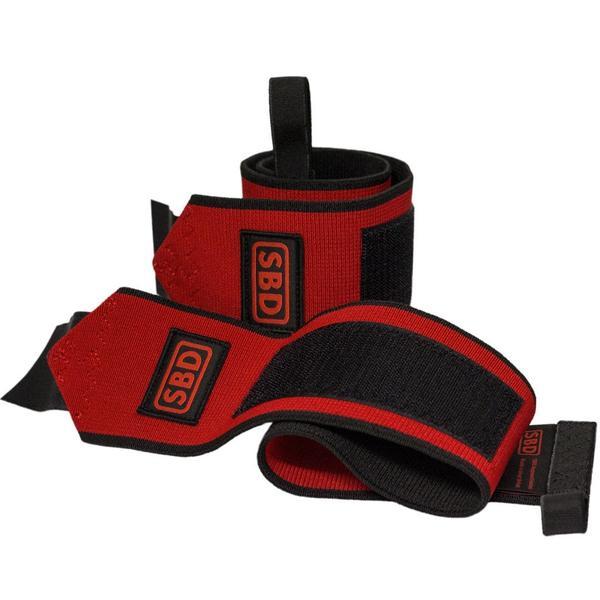
Wrist Wraps
Keep the wrist stacked under the bar on heavy bench and overhead pressing, so the joint doesn’t bend back under load.
Check Out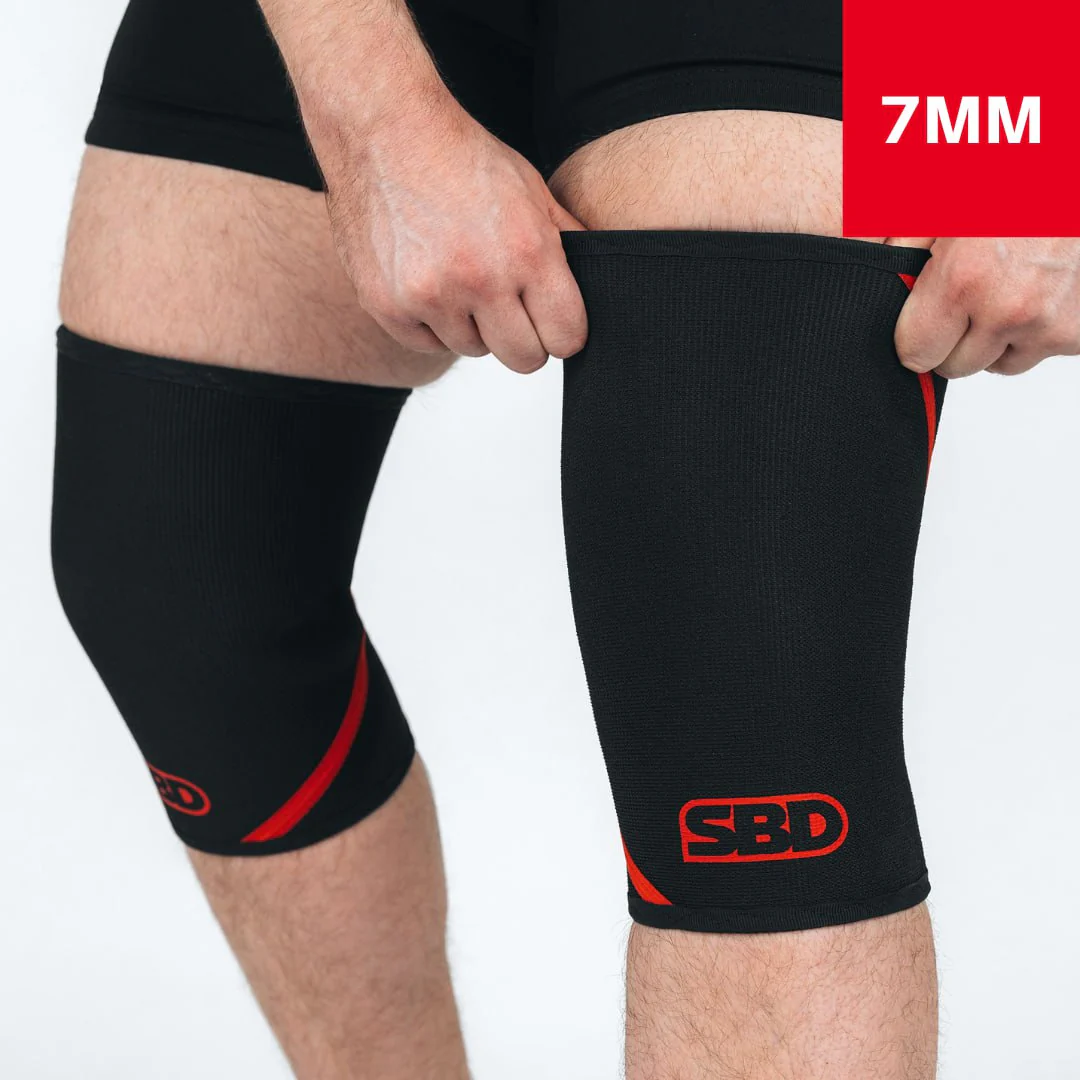
Knee Sleeves
Add warmth and a little support to the knees, plus a small rebound out of the bottom of the squat.
Check Out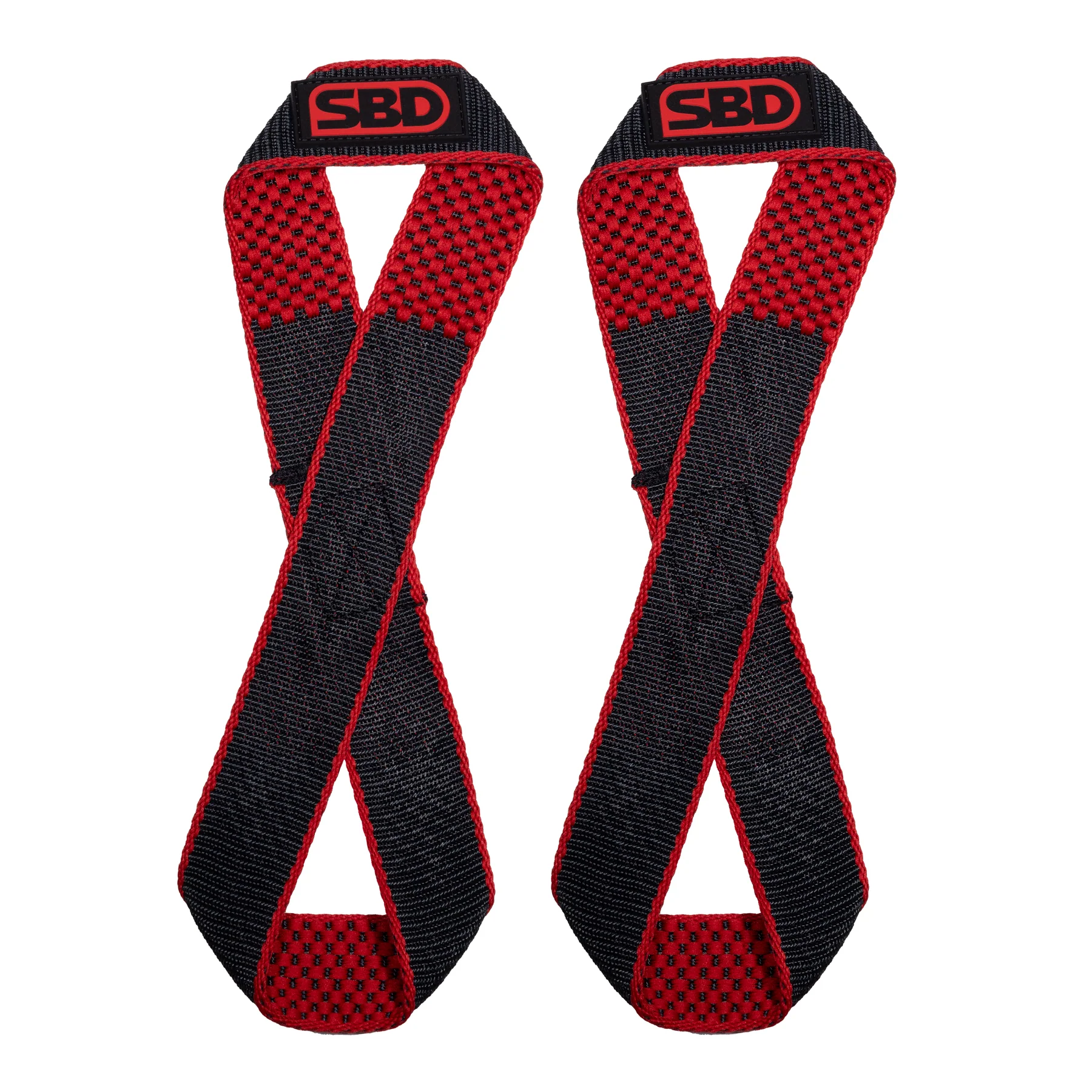
Lifting Straps
Secure your grip so heavy pulling and deadlift volume isn’t cut short by your hands giving out first.
Check OutLearn the lifts
New to any of the movements in this program? Our lift guides break down technique, cues and the common mistakes to avoid.
 Iron Library