
What is the Mag/Ort deadlift program?
Mag/Ort is shorthand for Magnusson-Ortmayer, named after Magnus Magnusson and Rob Ortmayer. It is a twelve-week deadlift specialisation program, and for the better part of a decade it has been the default reply on lifting forums and r/powerlifting whenever someone posts that their deadlift has stopped moving.
It programs one lift and nothing else. You keep whatever you are already doing for squat, bench and accessories, and the Mag/Ort day replaces your existing deadlift session. That is the entire integration plan.
The weekly session
One deadlift day a week, and the day has two halves: a heavy top set, then back-off work calculated as a percentage of it. Across the twelve weeks the top set climbs in weight and drops in reps, opening in the higher rep ranges and finishing on a heavy double or single as the program peaks.
Nothing else lives in the deadlift day. No block pulls, no deficits, no rack pulls, no variation work - just the competition deadlift, pulled heavy and then pulled a great deal more.
The back-off sets
The back-offs are what the program is known for and what makes it hard. Once the top set is done you drop to a percentage of that day’s weight and work through high-rep sets - the kind where the last few reps stop being a movement and become a decision. That volume is what drives the adaptation; the top set mostly exists to set the loading for it.
Which means the top set is not the hard part of the day, and treating it as a max attempt is the classic way to ruin the session. Lifters who empty the tank on the top set get all of the fatigue and none of the stimulus. Leave enough in reserve that the back-offs can be completed as written.
Who it’s for
Intermediate lifters whose deadlift has genuinely stalled while the rest of their training is fine, and who have the recovery capacity to add a hard weekly pulling session to an existing program. Repeatable technique matters more here than usual, because the back-off sets are performed tired and a pull that degrades under fatigue will degrade a lot of times.
It is a poor idea for beginners, for anyone with a lower back that is already unhappy, and for lifters running something already high in volume like nSuns or Sheiko - stacking Mag/Ort on top of those is how people end up hurt rather than strong. If your squat and pull are already fighting over the same recovery, sort that out first.
Strengths & trade-offs
Strengths: it aims a large, unambiguous pile of volume at one lift, it drops into any existing program without a rewrite, and it has a long track record of moving deadlifts that nothing else would move. There is nothing clever about it, which is part of why it works.
Trade-offs: it is a grind, plainly. Recovery is almost always the limiting factor rather than the deadlift itself - the back-off sets tax your low back and hamstrings for days, and everything else in your week gets harder while you run it. It is monotonous, and there is no autoregulation to save you on a bad day.
How to run it
Seed the sheet with a max you have actually pulled recently. Every weight in the program is a percentage of that number, and an inflated entry shows up first in the back-offs, where the reps simply stop happening. Replace your current deadlift day rather than adding a session, and trim your squat volume slightly for the twelve weeks if you are already at your ceiling.
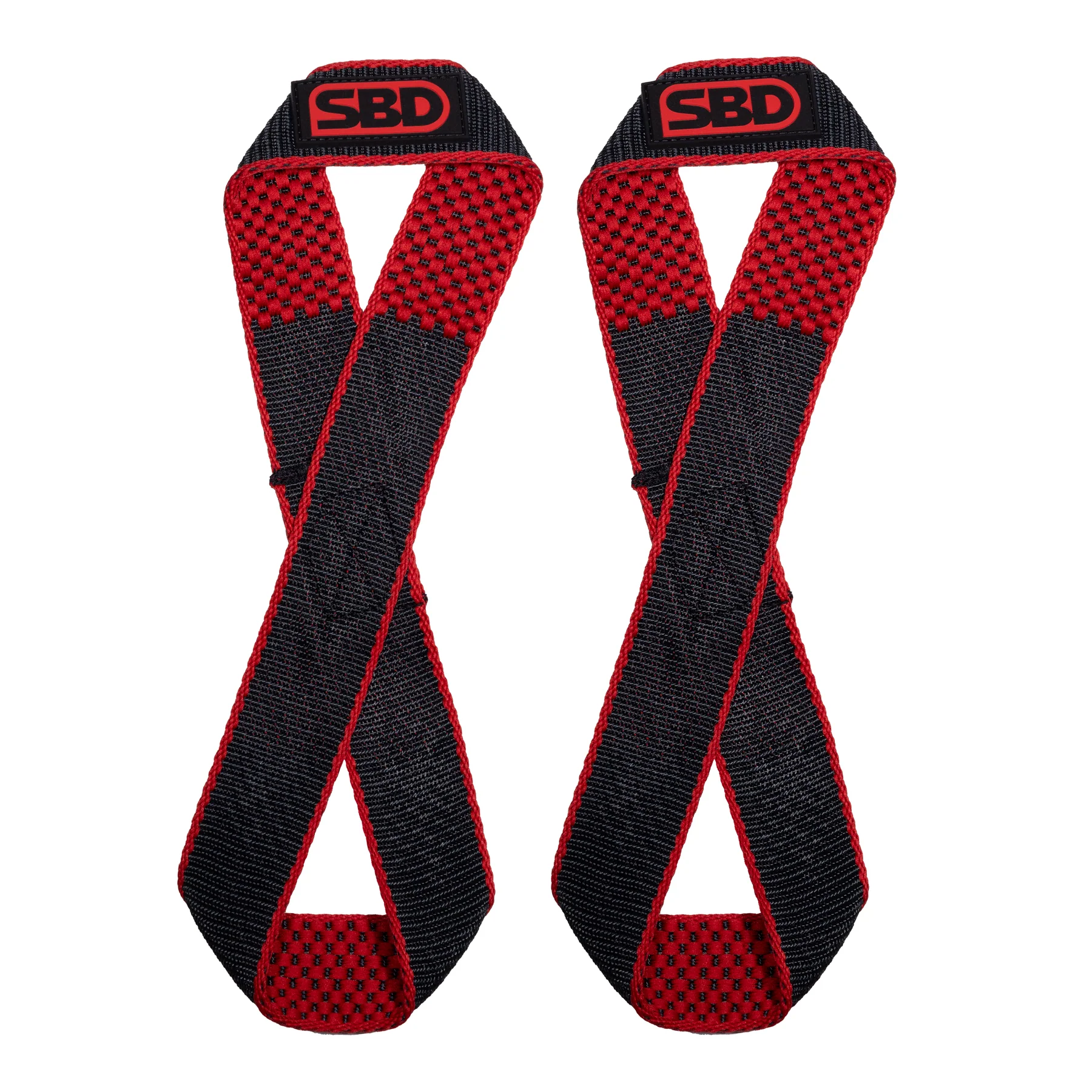
Use straps on the back-off work if your grip gives out before your hips do - those sets exist for posterior-chain volume, not grip training. If you miss prescribed reps two weeks running, the entered max was too high; restart from a lower number instead of pushing through. Open the spreadsheet below to see the twelve weeks, or copy it in Google Sheets to run your own numbers.
The spreadsheet
Browse the full program below, or open it in Google Sheets to make your own copy and plug in your numbers.
Spreadsheet via LiftVault. If the preview doesn’t load, use “Open in Google Sheets”.
Equipment
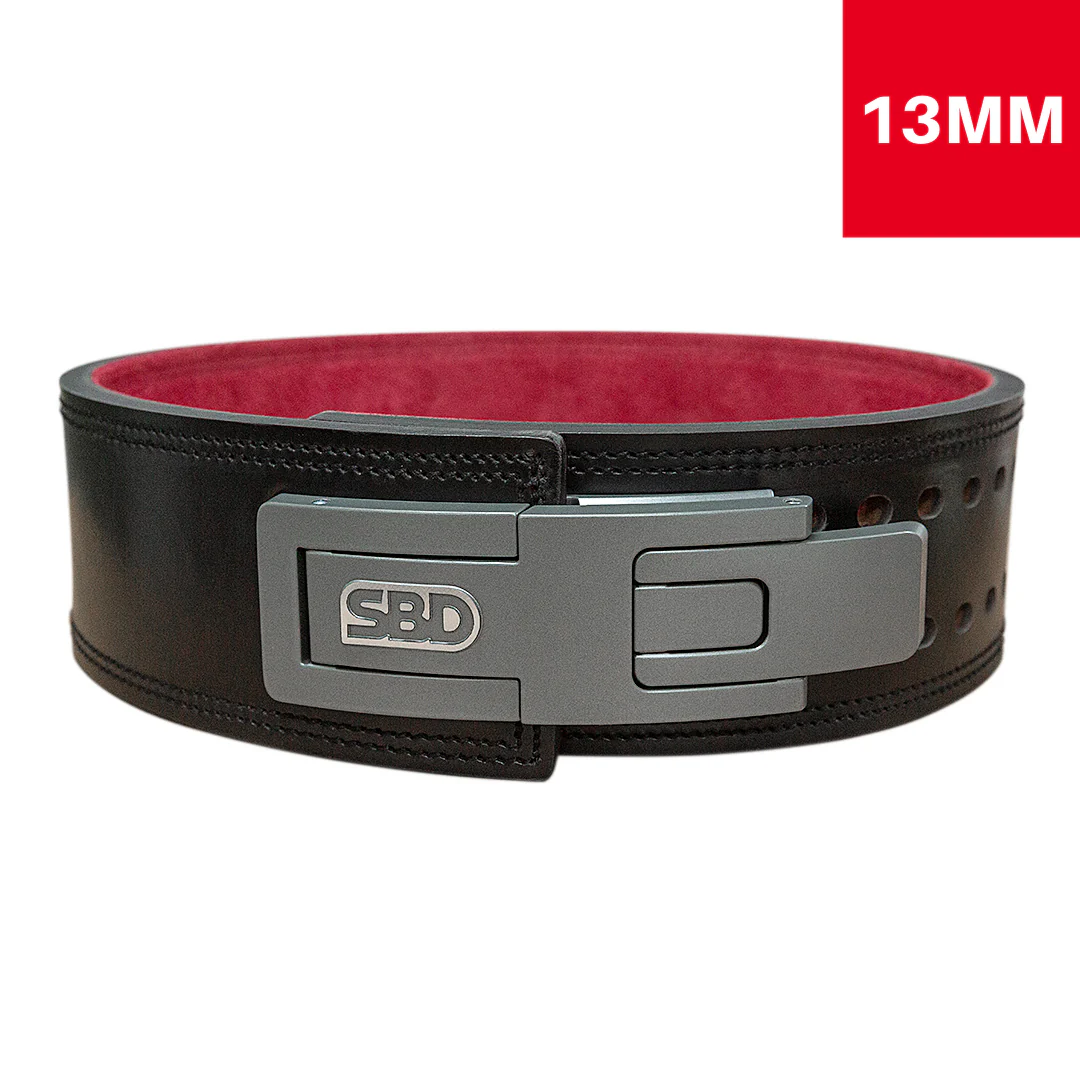
This is a barbell program - you don’t need much, but a few pieces make it run smoothly.
Learn the lifts
New to any of the movements in this program? Our lift guides break down technique, cues and the common mistakes to avoid.
 Iron Library