
What is the Generic Bulking Routine?
The Generic Bulking Routine - the GBR - is Lyle McDonald’s four-day upper/lower template for gaining muscle. The name is honest to the point of being self-deprecating, and that is rather the point: it is a deliberately unremarkable program that does the fundamentals correctly and gets out of the way.
McDonald built a reputation for being rigorous and unsentimental about training and nutrition research, and the GBR reflects it. There are no tricks here, just an appropriate amount of the right work, organised sensibly.
How it works
Four training days a week split into two upper and two lower sessions, so every muscle group is trained twice - the frequency that consistently shows up well in the literature for hypertrophy.
Each session pairs heavier compound work in a lower rep range with higher-rep work on the same muscles, giving both a mechanical-tension stimulus and a volume stimulus. Exercise selection is short and stable, which makes progression easy to see and easy to drive.
Progression and why it stays boring
Progression is double progression: work within a rep range, add reps until you hit the top of it across your sets, then add weight and start again at the bottom. It is slow, unglamorous, and it works for years.
The stable exercise selection is a feature rather than a limitation. Rotating movements constantly makes it impossible to tell whether you are actually getting stronger; keeping them fixed means your log tells you the truth every single week.
Who it’s for
This suits intermediates who have finished with novice linear progression and want a straightforward, evidence-led hypertrophy program on four days a week. It is particularly good for lifters who are in a surplus and want to make the most of it.
Beginners should run a full-body novice program first - they will progress faster. Advanced lifters chasing specific weak points will eventually want something more specialised, though most people reach that point far later than they think.
Strengths & trade-offs
Strengths: sensible frequency, two useful rep ranges, minimal exercise selection that makes progression legible, only four days a week, and a structure you can run for a very long time without changing anything.
Trade-offs: it is genuinely boring, which for some people is a real adherence problem. There is limited direct arm and isolation work compared with a bodybuilding split, and no built-in deload - you manage fatigue yourself.
How to run it
Open the spreadsheet below and commit to the same exercises for a few months. The program only works if you log every session and genuinely chase the rep targets - swapping movements every few weeks destroys the mechanism.
Eat in a modest surplus; it is a bulking routine and it assumes the calories are there. Schedule a lighter week every six to eight weeks, and when a lift stalls twice in a row, drop the weight slightly and build back rather than grinding.
The spreadsheet
Browse the full program below, or open it in Google Sheets to make your own copy and plug in your numbers.
Spreadsheet via LiftVault. If the preview doesn’t load, use “Open in Google Sheets”.
Equipment
This is a barbell program - you don’t need much, but a few pieces make it run smoothly.

Lifting Belt
Gives your core something to brace against, adding stability and lower-back support on heavy squats and deadlifts.
Check Out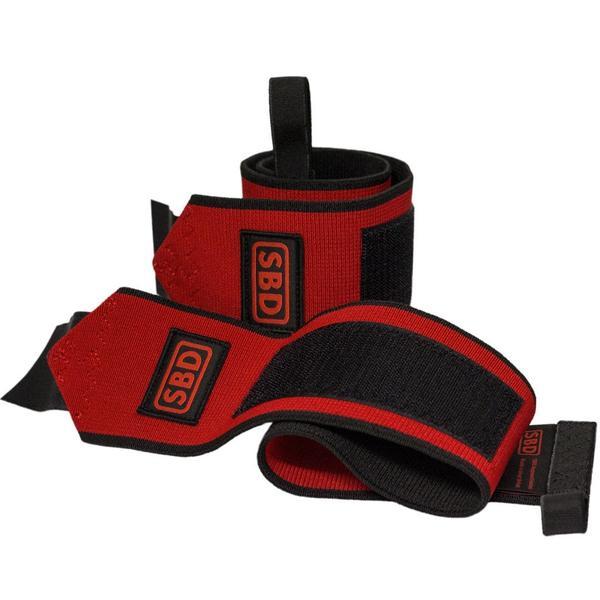
Wrist Wraps
Keep the wrist stacked under the bar on heavy bench and overhead pressing, so the joint doesn’t bend back under load.
Check Out
Lifting Straps
Secure your grip so heavy pulling and deadlift volume isn’t cut short by your hands giving out first.
Check Out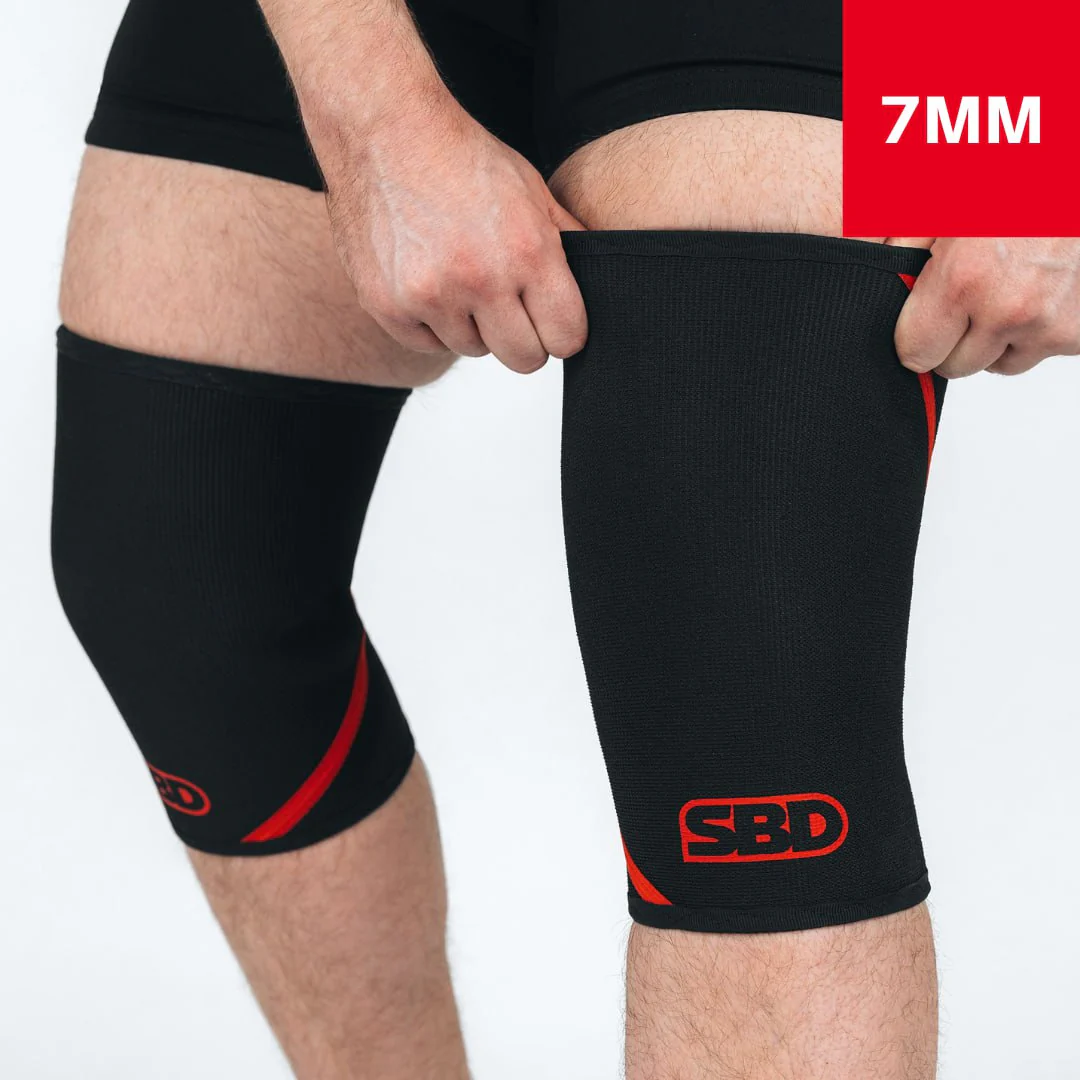
Knee Sleeves
Add warmth and a little support to the knees, plus a small rebound out of the bottom of the squat.
Check OutLearn the lifts
New to any of the movements in this program? Our lift guides break down technique, cues and the common mistakes to avoid.
 Iron Library