
What is Korte 3×3?
Korte 3×3 is a powerlifting program from German coach Stephan Korte that has survived for decades on the strength of one idea taken to its logical extreme: if you want to be good at the squat, bench and deadlift, do the squat, bench and deadlift. Every session. All three.
There is almost no accessory work and no exercise variation. It is the opposite of a conjugate program, and it remains a cult favourite because for the right lifter it works extremely well.
How it works
The program runs in two distinct phases. The volume phase has you performing all three competition lifts in every session, three days a week, at moderate percentages for repeated sets - a large amount of practice at submaximal loads that builds both technique and work capacity.
The intensity phase then cuts volume sharply and raises the loads, converting the base you built into a peak. The percentages climb week by week toward a test at the end, and the training week gets much shorter as it does.
Why so much specificity?
The competition lifts are skills as much as expressions of strength, and skills improve with practice. Squatting three times a week for weeks on end makes the movement pattern deeply automatic in a way that squatting once a week never quite does.
The trade-off is monotony and a real recovery burden. Korte manages the second by keeping the volume-phase percentages genuinely moderate - lifters who treat the volume phase as a chance to grind heavy sets will not last the block.
Who it’s for
This is for intermediate and advanced powerlifters with sound technique on all three lifts, healthy joints, and the mental tolerance for doing the same three movements dozens of times in a row. A meet at the end of the block gives the peak somewhere to go.
It is a bad fit for beginners, whose technique will not hold up under that frequency, for anyone with a nagging injury in one of the three lifts, and for lifters who need variety to stay engaged - boredom is the most common reason people quit this program.
Strengths & trade-offs
Strengths: enormous specific practice on the competition lifts, a simple structure with nothing to decide session to session, short sessions in the intensity phase, and a defined peak at the end.
Trade-offs: it is monotonous by design, it does almost nothing for weak points or muscular balance, and the deadlift frequency is punishing for lifters who are not used to it. Accessory work is minimal, so imbalances you bring in you will still have at the end.
How to run it
Enter honest current maxes in the spreadsheet below - the entire program is percentage-driven, so an inflated number makes the volume phase unsurvivable rather than merely hard. Resist the urge to add accessory work in the volume phase; you will need every scrap of recovery.
Run the volume phase exactly as written even when the weights feel easy in week one, then let the intensity phase do its job. Test or compete at the end, take a proper break, and do not run this block back to back - it is a periodic tool, not a year-round program.
The spreadsheet
Browse the full program below, or open it in Google Sheets to make your own copy and plug in your numbers.
Spreadsheet via LiftVault. If the preview doesn’t load, use “Open in Google Sheets”.
Equipment
This is a barbell program - you don’t need much, but a few pieces make it run smoothly.

Lifting Belt
Gives your core something to brace against, adding stability and lower-back support on heavy squats and deadlifts.
Check Out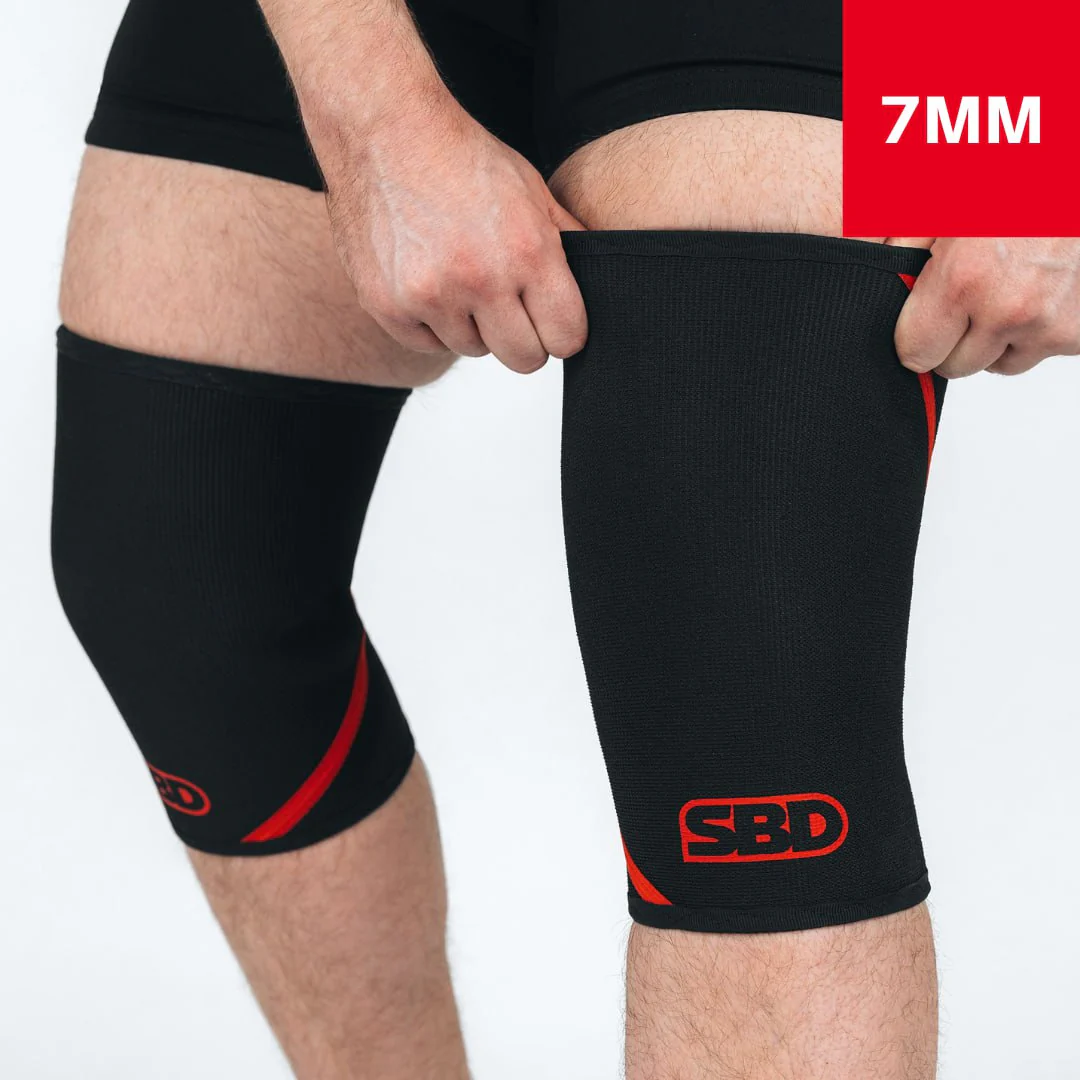
Knee Sleeves
Add warmth and a little support to the knees, plus a small rebound out of the bottom of the squat.
Check Out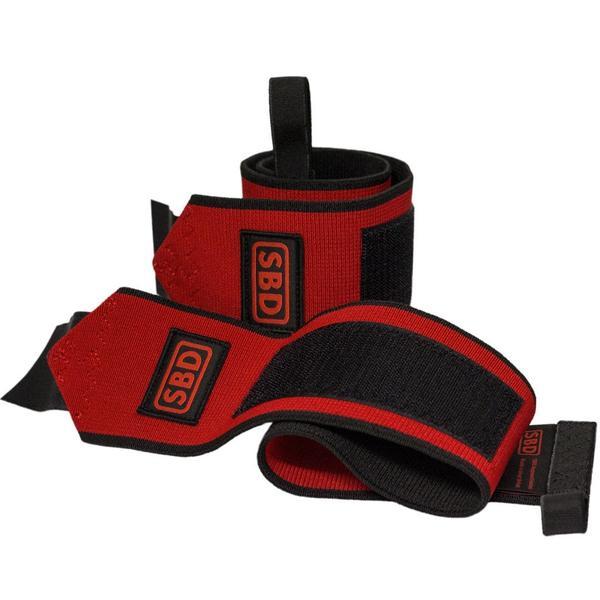
Wrist Wraps
Keep the wrist stacked under the bar on heavy bench and overhead pressing, so the joint doesn’t bend back under load.
Check Out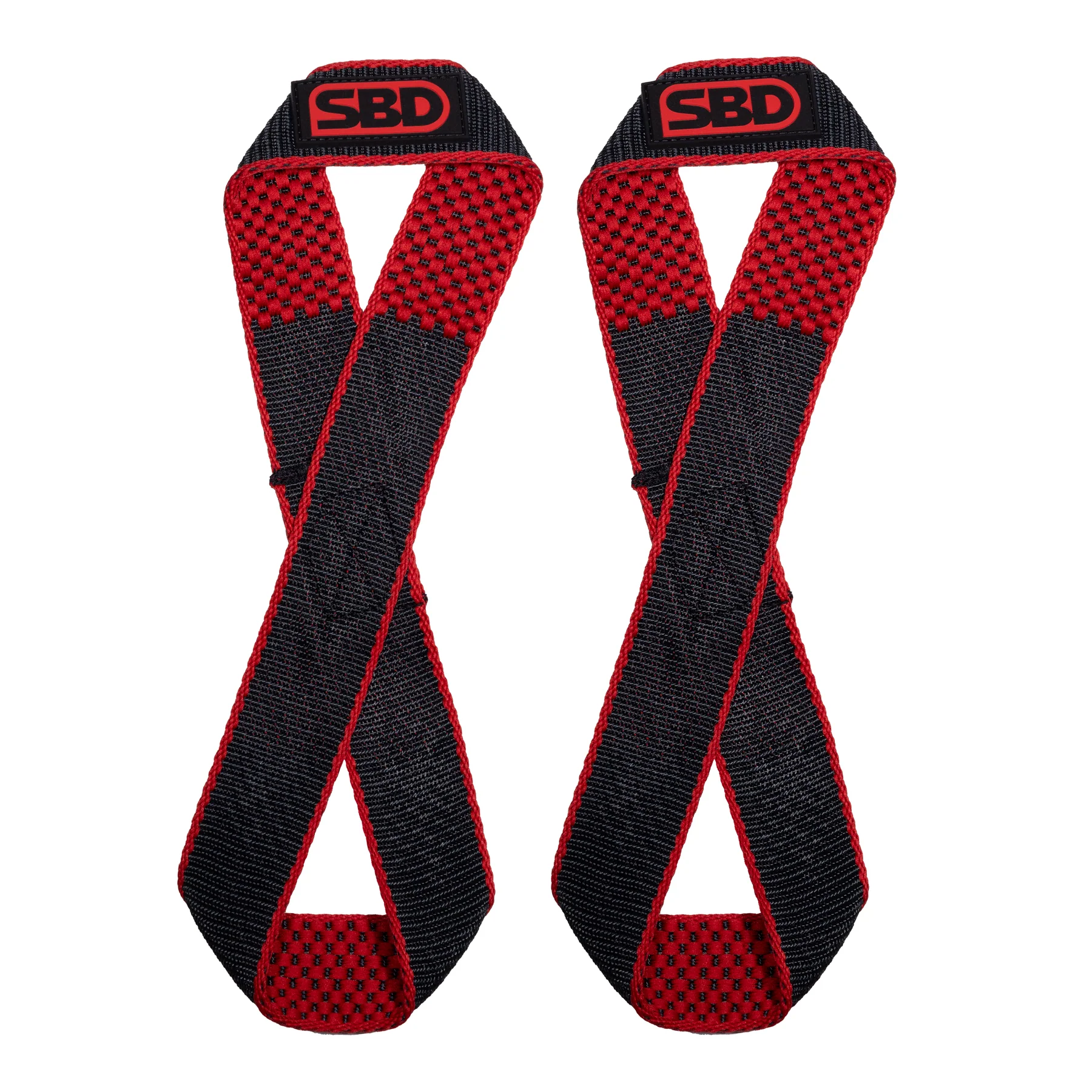
Lifting Straps
Secure your grip so heavy pulling and deadlift volume isn’t cut short by your hands giving out first.
Check OutLearn the lifts
New to any of the movements in this program? Our lift guides break down technique, cues and the common mistakes to avoid.
 Iron Library