
What is Ice Cream Fitness 5×5?
Ice Cream Fitness, almost always shortened to ICF, is Jason Blaha’s novice program, written more or less as an answer to StrongLifts 5×5. The barbell skeleton is nearly identical: two alternating full-body workouts, three days a week, 5×5 on the main compounds, and a small jump in weight every single session.
What makes it ICF is everything bolted on around that skeleton. Where StrongLifts and Starting Strength give you three exercises a session, ICF gives you seven or eight - curls, tricep work, shrugs, hyperextensions, rear-delt and face-pull work - because Blaha’s objection to the minimalist novice programs was that they produce strong lifters with no arms and no upper back.
The A and B workouts
You alternate two workouts across three non-consecutive days, so one week runs A/B/A and the next runs B/A/B. Workout A is squat, bench press and barbell row for 5×5 each, then shrugs, tricep extensions, barbell curls, hyperextensions and cable crunches. Workout B is squat and overhead press for 5×5 with heavy fives on the deadlift, then close-grip bench, curls and the same trunk work.
The compounds are straight sets - the same working weight across all five sets after warm-ups. The accessories sit around 3 sets of 8, light enough that they do not interfere with the 5×5 work but numerous enough that they make up most of the session’s exercise list.
You squat every session, exactly as in StrongLifts, and you row heavy from day one, which is more direct upper-back work than either classic novice program prescribes.
Per-session progression
Complete all five sets of five and you add weight next session: about 5 lb on the presses and rows, and 10 lb on squats and deadlifts while the bar is still light, dropping to 5 lb once it is not. The accessories climb informally, whenever the prescribed 8 reps start coming easily on every set.
Stalls are handled the way every 5×5 handles them. Miss reps at a weight three sessions running and deload that lift by about 10%, then build back up. Once resets stop producing new bests, the novice phase is genuinely over - the next step is Madcow 5×5, 5/3/1 for Beginners or a PPL split, not another reset.
The honest complaint: session length
Eight exercises is a lot. A full ICF session including warm-ups commonly runs 75 to 90 minutes, and more once the squats get heavy enough to need real rest between sets. This is the single most common reason people abandon it, and it is worth planning around rather than discovering in week four.
If time is squeezing you, cut accessories rather than compound rest. Dropping shrugs and one of the two arm movements costs almost nothing and buys back a quarter of an hour. What you must not do is rush the 5×5 work - short-changing rest on heavy squats is how the linear progression dies early.
ICF vs StrongLifts vs Starting Strength
Starting Strength is the minimalist end of the spectrum: three lifts a session, no isolation at all, the shortest route to a bigger squat and deadlift. StrongLifts sits in the middle, adding the barbell row and a clear set of built-in deload rules. ICF takes essentially the StrongLifts template and staples a bodybuilding accessory block onto it.
The trade is simple. ICF gives you noticeably more arm, upper-back and posterior-chain volume, and charges you roughly double the time in the gym for it. If you care about how you look as much as what you lift and you have ninety minutes, ICF wins. If your training window is forty-five minutes, StrongLifts or Starting Strength will beat it, because the program you actually finish is better than the one you quit.
Who it’s for
ICF is for a beginner who wants the strength of a 5×5 linear progression plus the arm and back development the stripped-down programs skip, and who has the time for both. It also suits lifters arriving from a bodybuilding background who want a real strength progression but would find three exercises a session unbearably thin.
It is a bad fit if your sessions have a hard time limit, if you are training around an injury where eight exercises is a poor use of limited recovery, or if you are already past the novice phase - once you cannot add weight every session, no amount of accessory work brings a linear progression back.
Strengths & trade-offs
Strengths: a proven 5×5 core, far more hypertrophy volume than StrongLifts or Starting Strength, heavy rowing from the first session, and clear per-session progression with standard deload rules. It is one of the few beginner programs that builds a balanced physique alongside the numbers.
Trade-offs: the sessions are long, the accessory list is the first thing to get skipped, and the total volume can outrun a beginner’s recovery when sleep and food are not in order. There is also no periodisation to fall back on - ICF works exactly as long as your novice progression does, and not a session longer.
How to run it
Start lighter than feels reasonable on the compounds - the empty bar or close to it if you are genuinely new - and let the per-session jumps do the work while you spend the first month learning the lifts. Pick accessory weights you can control for 8 clean reps; nothing is gained by grinding curls.
Enter your starting numbers in the spreadsheet below, run the A/B alternation on three non-consecutive days, and follow the deload rules exactly rather than improvising when you stall. Budget the full ninety minutes from the start, and when the resets stop paying, move on.
The spreadsheet
Browse the full program below, or open it in Google Sheets to make your own copy and plug in your numbers.
Spreadsheet via LiftVault. If the preview doesn’t load, use “Open in Google Sheets”.
Equipment
This is a barbell program - you don’t need much, but a few pieces make it run smoothly.

Lifting Belt
Gives your core something to brace against, adding stability and lower-back support on heavy squats and deadlifts.
Check Out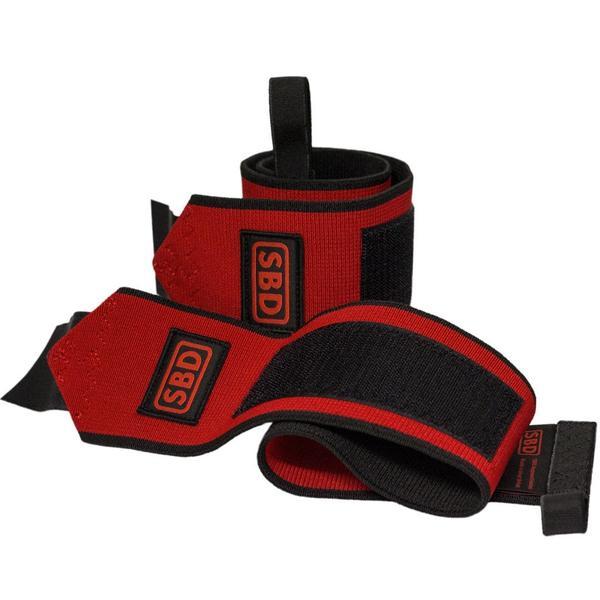
Wrist Wraps
Keep the wrist stacked under the bar on heavy bench and overhead pressing, so the joint doesn’t bend back under load.
Check Out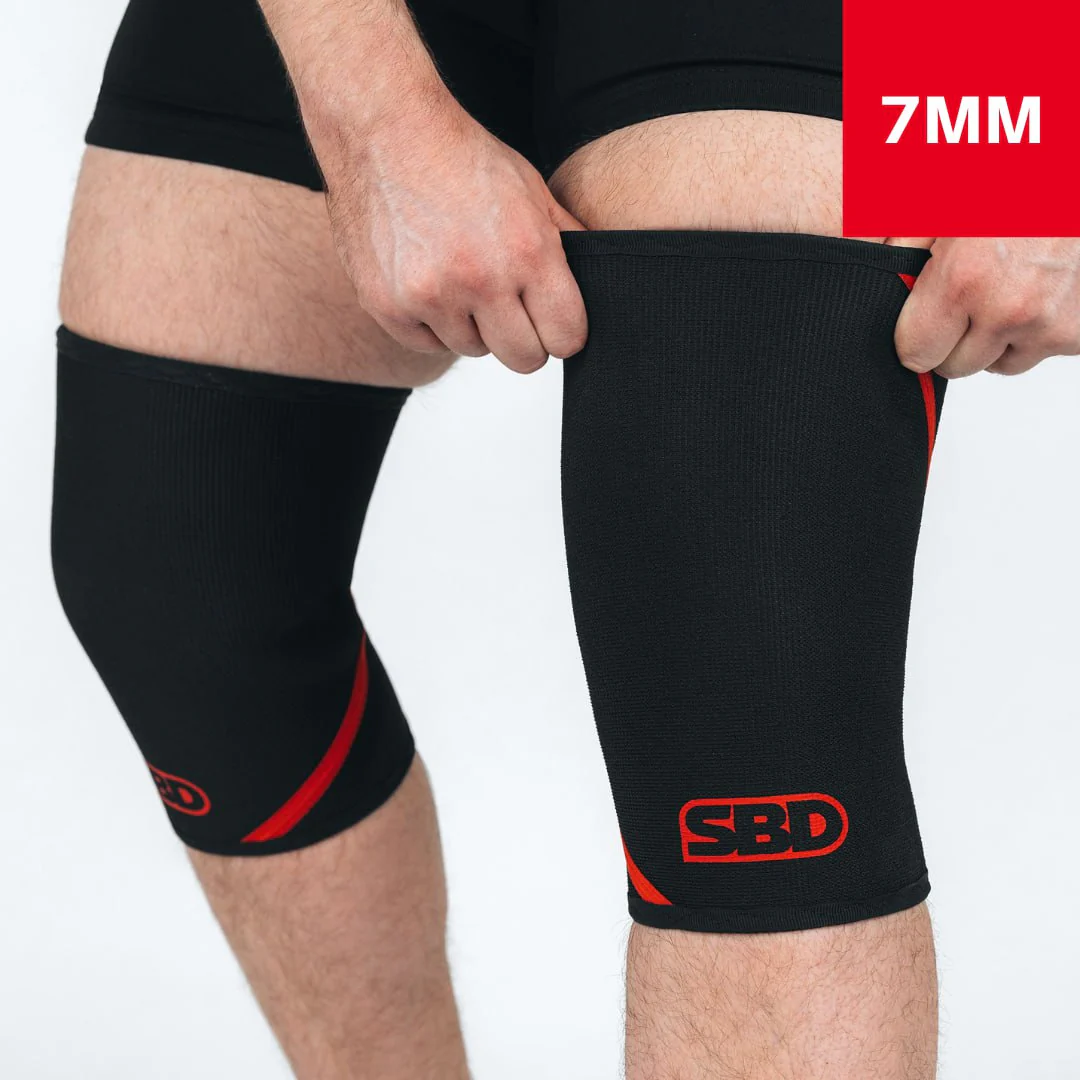
Knee Sleeves
Add warmth and a little support to the knees, plus a small rebound out of the bottom of the squat.
Check Out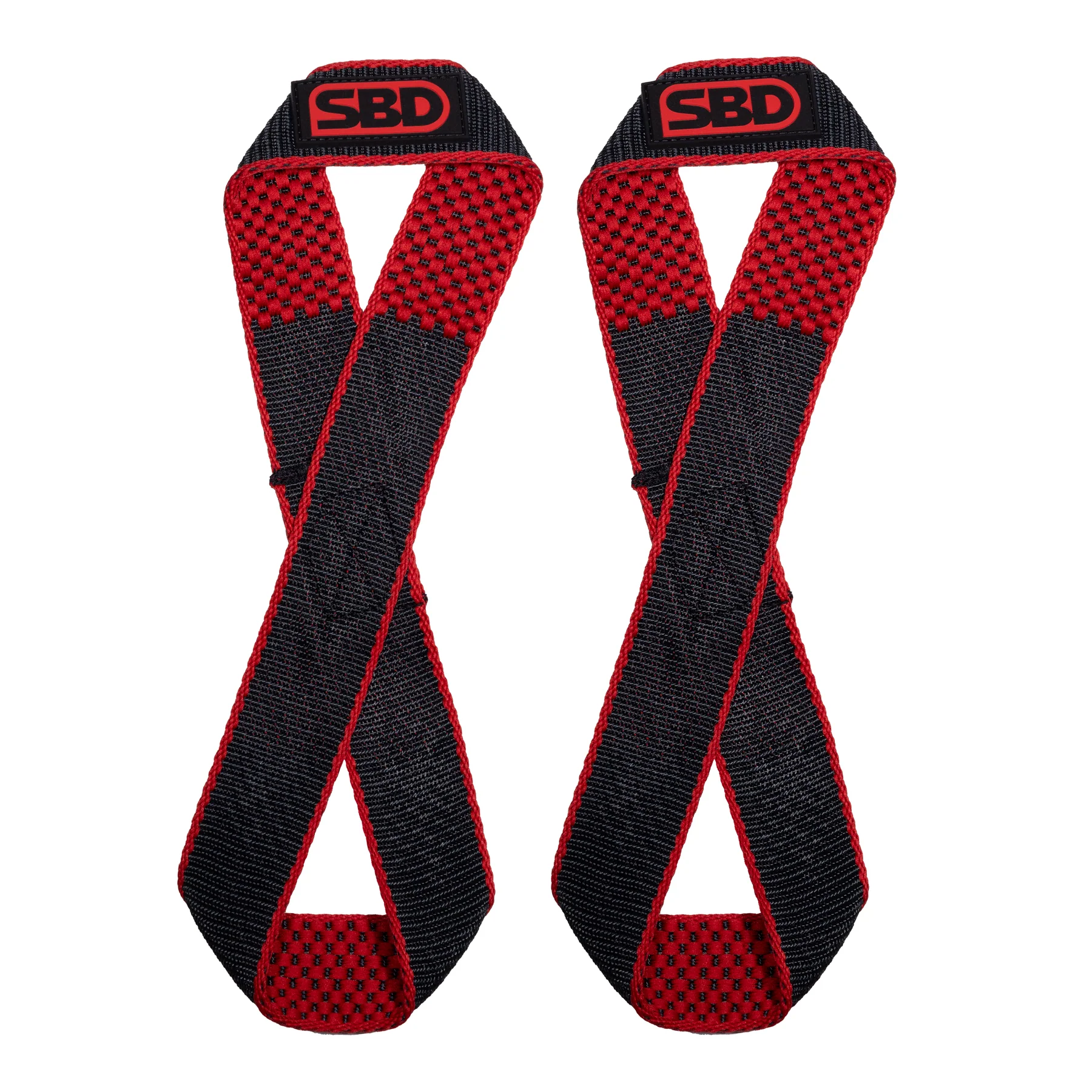
Lifting Straps
Secure your grip so heavy pulling and deadlift volume isn’t cut short by your hands giving out first.
Check OutLearn the lifts
New to any of the movements in this program? Our lift guides break down technique, cues and the common mistakes to avoid.
 Iron Library