What is the Hatch squat program?
The Hatch squat program is a twelve-week squat cycle written by Gayle Hatch, the American weightlifting coach out of Baton Rouge whose athletes have filled national teams for decades. It is built on one commitment: squat twice a week, and squat both the back squat and the front squat every single session.
It became a fixture in olympic weightlifting and CrossFit gyms for a practical reason. It is designed to run underneath existing training rather than replace it, so you keep snatching, cleaning and jerking, or keep doing your conditioning, and the Hatch cycle takes over the squatting.
The two squat days
Every week contains two squat sessions, and every session pairs the back squat with the front squat. Back squats are prescribed off your back squat max and front squats off your front squat max, so the two lifts progress on separate tracks rather than one being derived from the other.
The set and rep counts sit in the ordinary strength range, roughly four to six working sets per lift in sets of two to five, and the two days are not carbon copies of each other. One leans heavier and one leans toward volume, which is the concession that makes twice-weekly squatting survivable for twelve weeks.
How the percentages move
Across the cycle the percentages climb while the reps come down. The opening weeks work in the 60–75% range for sets of three to five, the middle weeks push into the low-to-mid 80s, and the closing weeks operate in the 90s for doubles and singles.
The number worth noticing is the total. Two sessions a week with two squat variations in each means four squat exercises every week for twelve weeks, all of it prescribed. Individual sets look reasonable on paper; the weekly tonnage does not.
The cost of an add-on
The most common mistake is reading "it runs alongside your training" as "it is free." It is not free. By weeks six through nine the accumulated squat volume is high enough that your pulls feel heavy, your conditioning drops off, and the legs go out of your olympic lifts before your technique does.
Plan for that instead of being surprised by it. Cut accessory leg work to nothing, trim your conditioning volume, and expect to feel the cycle in everything you do below the waist. The lifters who quit around week eight are almost always the ones who added Hatch and changed nothing else.
Who it’s for
Weightlifters, CrossFit athletes and general strength lifters who need a bigger squat, can give it twelve weeks, and already front squat competently. The sheet needs both a back squat max and a front squat max to fill itself in, so if you have never taken a front squat anywhere near a true max, establish one before you start.
It is the wrong choice in-season or while peaking for a competition, wrong for beginners still adding weight every session, and awkward for powerlifters who need the deadlift and bench progressing at the same time - the leg fatigue simply will not leave room for it.
Strengths & trade-offs
Strengths: simple, fully prescribed, and proven over a very long time. It builds the front squat alongside the back squat, which matters enormously if you clean, and it slots into an existing program without forcing a rewrite. Twelve consistent weeks of structured squatting moves almost anyone’s numbers.
Trade-offs: the volume bleeds into everything else you do, the fixed percentages give you nowhere to go on a bad week, and there is no upper-body or posterior-chain work in it at all. It also depends on an accurate front squat max, which plenty of lifters do not genuinely have.
How to run it
Establish or honestly estimate both maxes and enter them in the sheet, using current numbers rather than the best you ever hit. The percentages get heavy enough in the back half that an optimistic max will find you out around week eight, so if your front squat number is a guess, guess low.
Run both sessions every week, add no extra leg work, and hold the rest of your training at maintenance while the cycle is live. If you miss prescribed reps two sessions running, drop the entered max by about 5% and continue rather than starting over.
Open the spreadsheet below to see all twelve weeks, or copy it in Google Sheets and enter your two maxes. Retest both squats at the end.
The spreadsheet
Browse the full program below, or open it in Google Sheets to make your own copy and plug in your numbers.
Spreadsheet via LiftVault. If the preview doesn’t load, use “Open in Google Sheets”.
Equipment
This is a barbell program - you don’t need much, but a few pieces make it run smoothly.
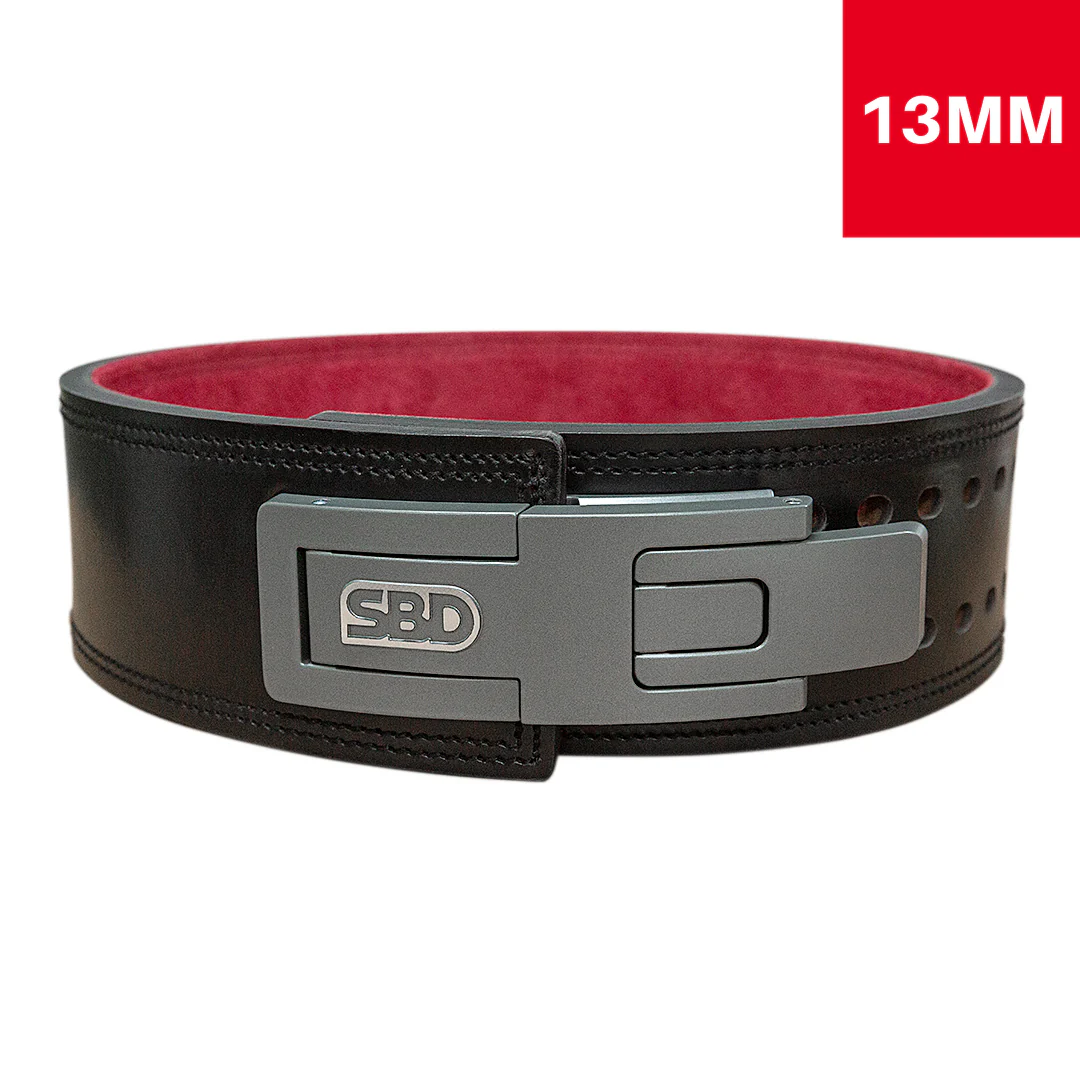
Lifting Belt
Gives your core something to brace against, adding stability and lower-back support on heavy squats and deadlifts.
Check Out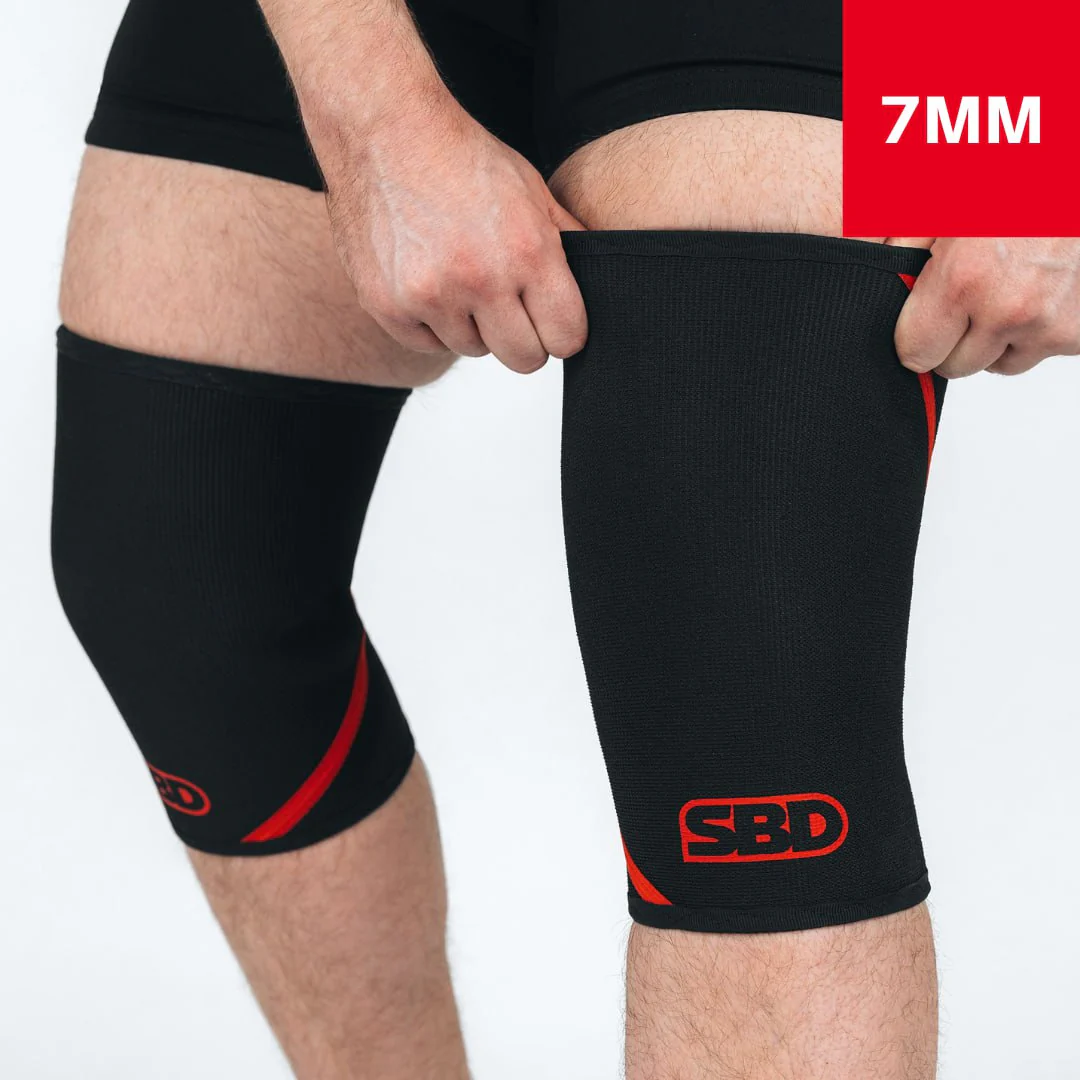
Knee Sleeves
Add warmth and a little support to the knees, plus a small rebound out of the bottom of the squat.
Check Out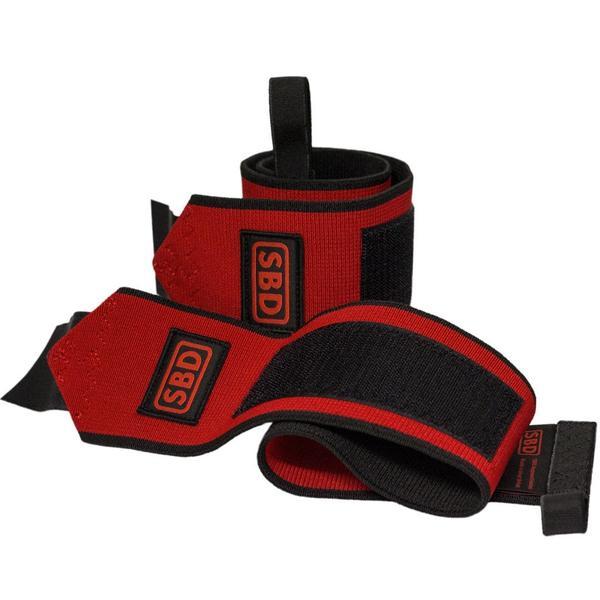
Wrist Wraps
Keep the wrist stacked under the bar on heavy bench and overhead pressing, so the joint doesn’t bend back under load.
Check OutLearn the lifts
New to any of the movements in this program? Our lift guides break down technique, cues and the common mistakes to avoid.
 Iron Library