
What is GZCLP?
GZCLP is the linear-progression version of Cody “GZCL” Lefever’s GZCL Method, built for beginners and early intermediates. It keeps the per-session weight jumps of a novice program but wraps them in the tier structure that makes GZCL programming so balanced - and, crucially, it has a pre-planned answer for what to do when you stall.
It grew into one of Reddit’s most recommended beginner programs precisely because it fixes the classic novice-program complaints: not enough volume, not enough upper-body work, and no plan for stalls beyond “deload and repeat.”
The tier system
Every session stacks three tiers. Tier 1 (T1) is the day’s main lift - squat, bench, deadlift or overhead press - done heavy for 5 sets of 3 with an AMRAP on the last set. Tier 2 (T2) is a second, lighter compound (usually the “opposite” lift, like benching T2 on a squat T1 day) for 3 sets of 10. Tier 3 (T3) is accessory work - rows, pulldowns, curls - for 3 sets of 15 with a final AMRAP.
You run it over three or four days a week, rotating the four main lifts through the T1 and T2 slots so each gets trained twice in different roles. Heavy, medium, light - every session, every tier has a job.
The stage system
T1 lifts add weight every session, exactly like any linear progression - until you fail. Then, instead of deloading, you change shape: the same weight moves from 5×3 to 6 sets of 2, and when that fails, to 10 singles. Only after all three stages are spent do you establish a new 5-rep max and restart at 5×3 with fresh numbers.
T2 lifts walk their own path from 3×10 to 3×8 to 3×6 before resetting slightly heavier, and T3 accessories add weight whenever the final AMRAP hits 25 total reps. The result is that you never really “stall” - some lift is always progressing through some stage, and every plateau has a next move printed on the sheet.
Who it’s for
GZCLP is ideal for beginners who want more volume and upper-body work than Starting Strength or StrongLifts provide, and for lifters coming off those programs whose linear progression has slowed but who are not ready for full intermediate programming.
It also quietly teaches you the T1/T2/T3 framework, so when you outgrow it you can move straight into the main GZCL Method templates - Jacked & Tan 2.0 and friends - without relearning anything. It is less suited to pure physique goals or to advanced lifters who need periodized blocks.
Strengths & trade-offs
Strengths: a stall plan built into the program itself, meaningfully more volume and back work than the classic novice routines, AMRAP sets that give you honest feedback, and a natural on-ramp into the wider GZCL family.
Trade-offs: sessions run longer than a bare-bones 5×5, there is more bookkeeping (each lift sits in its own stage), and the final-set AMRAPs demand real effort to drive progress. None of these are flaws so much as the price of the extra volume.
How to run it
Start your T1 weights around 85% of your 5-rep max and your T2s deliberately light - the program provides the volume; your job is to leave room to progress. Push the AMRAP sets hard but stop a rep short of failure, and follow the stage changes exactly when a lift fails.
The spreadsheet below lays out the days, tiers and stages; copy it in Google Sheets, plug in your starting weights, and let the structure do the thinking.
The spreadsheet
Browse the full program below, or open it in Google Sheets to make your own copy and plug in your numbers.
Spreadsheet via LiftVault. If the preview doesn’t load, use “Open in Google Sheets”.
Equipment
This is a barbell program - you don’t need much, but a few pieces make it run smoothly.

Lifting Belt
Gives your core something to brace against, adding stability and lower-back support on heavy squats and deadlifts.
Check Out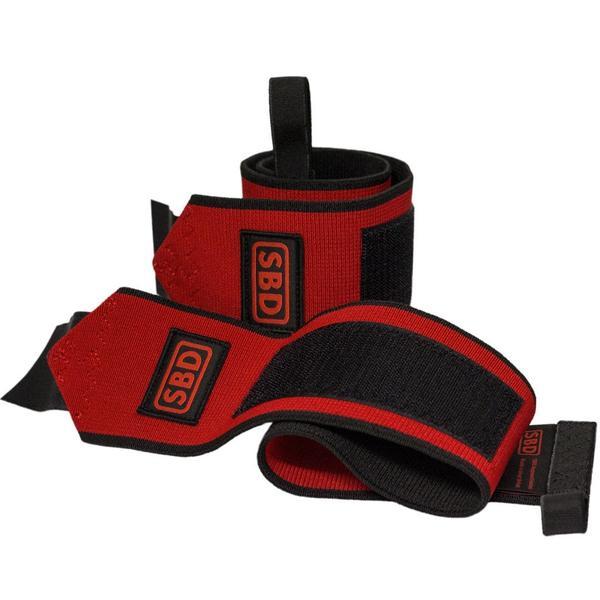
Wrist Wraps
Keep the wrist stacked under the bar on heavy bench and overhead pressing, so the joint doesn’t bend back under load.
Check Out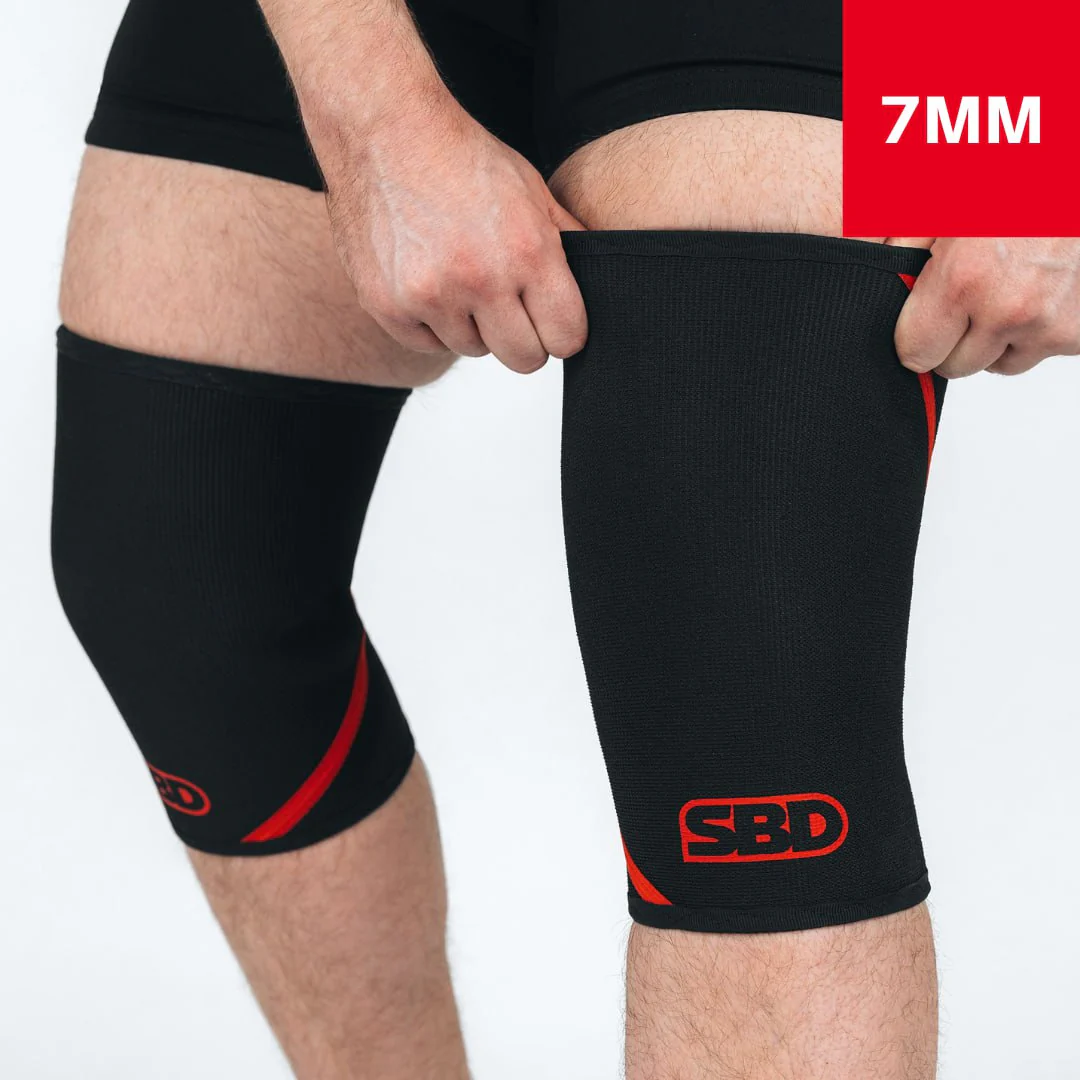
Knee Sleeves
Add warmth and a little support to the knees, plus a small rebound out of the bottom of the squat.
Check Out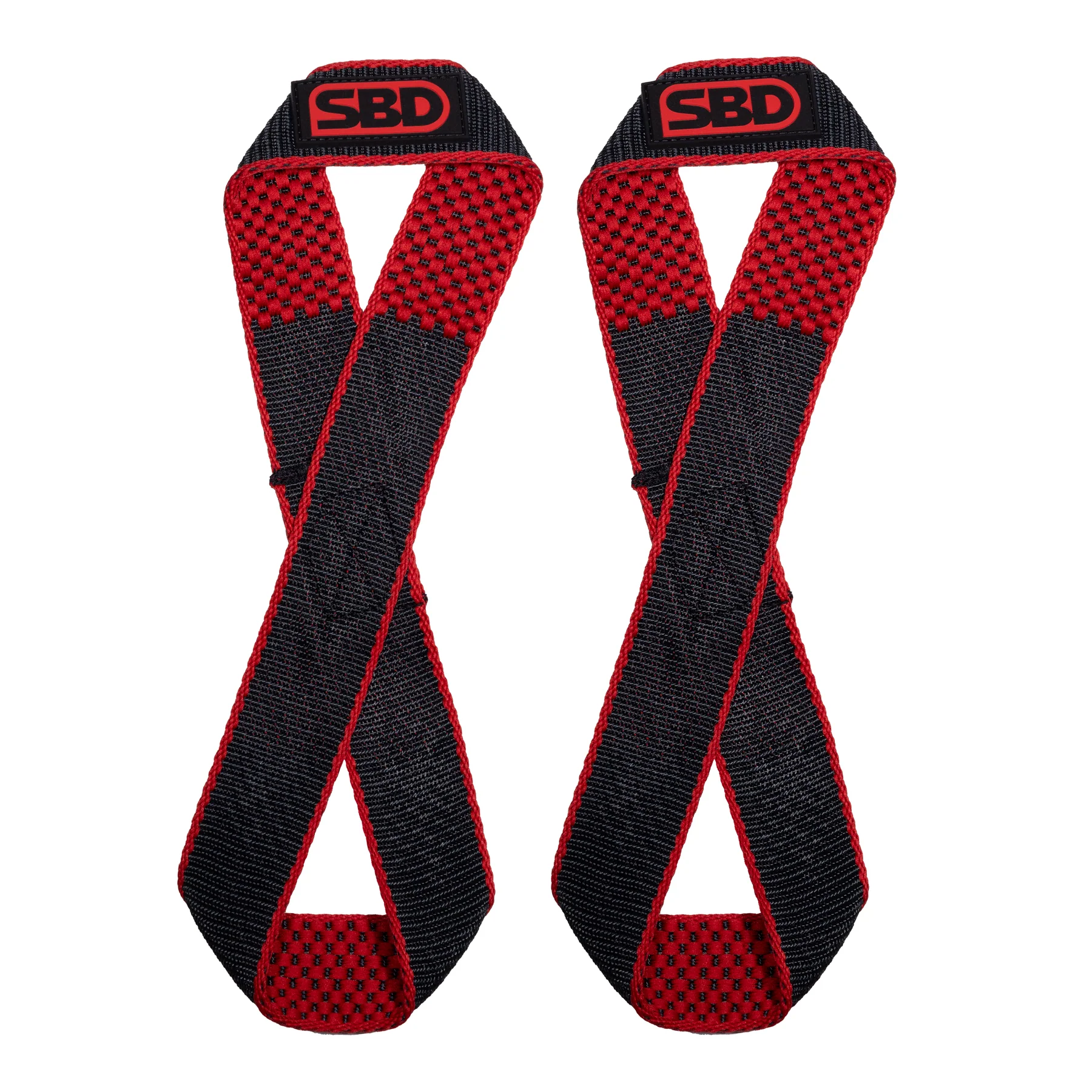
Lifting Straps
Secure your grip so heavy pulling and deadlift volume isn’t cut short by your hands giving out first.
Check OutLearn the lifts
New to any of the movements in this program? Our lift guides break down technique, cues and the common mistakes to avoid.
 Iron Library