
What is GZCL P-Zero?
P-Zero, often called GZCL 2.0, is Cody Lefever’s refinement of the GZCL method into a concrete, ready-to-run program. The GZCL method is a framework rather than a program - a way of organising training into tiers - and P-Zero is what it looks like when someone who knows it well makes all the decisions for you.
If you have run GZCLP as a novice and wondered what comes next, or read the GZCL method and been unsure how to build a template from it, this is the answer to both questions.
How it works
The tier system is the core idea. T1 is your heaviest work - a competition lift or close variation, low reps, high intensity, small number of sets. T2 is the volume tier: a related movement at moderate intensity for more reps. T3 is accessory work, high reps and low intensity, where hypertrophy and weak points get addressed.
The tiers exist in a deliberate ratio - the heavier the tier, the fewer the reps and the fewer the sets - so total volume and total intensity stay in balance. P-Zero applies that across four sessions a week with defined percentages and AMRAP sets that tell you when to move up.
How it compares to GZCLP
GZCLP is the novice application of the method - simple session-to-session progression, designed to be run until linear progress stops. P-Zero is the intermediate version: progression is organised over weeks rather than sessions, and there is considerably more nuance in how the tiers are loaded.
The underlying logic is identical, which is what makes the transition easy. If the tier structure already makes sense to you, P-Zero will feel like the same program grown up rather than something new to learn.
Who it’s for
This suits intermediates who have exhausted GZCLP or another novice progression and want something structured that still leaves room for hypertrophy work. Lifters who want both strength and size, rather than choosing, are the natural audience.
Beginners should run GZCLP first - it is simpler and will produce faster progress while linear gains are still available. Advanced lifters peaking for a meet will want a dedicated peaking block instead.
Strengths & trade-offs
Strengths: a clear, teachable structure, a sensible balance of heavy work and volume, generous accessory allowance in T3, and enough flexibility in exercise selection to work around equipment or niggles.
Trade-offs: there is more to understand than a simple linear progression, sessions run long once T3 work is included, and getting the most from it means engaging with the method rather than just following the cells.
How to run it
Read the GZCL method itself before you start - understanding why the tiers are proportioned as they are is what lets you make good substitutions later. Open the spreadsheet below and enter honest training maxes for the T1 lifts.
Take the AMRAP sets seriously but stop with good technique intact; they are the signal the program uses to decide when you progress. Choose T3 work that addresses your actual weak points rather than defaulting to whatever you enjoy most.
The spreadsheet
Browse the full program below, or open it in Google Sheets to make your own copy and plug in your numbers.
Spreadsheet via LiftVault. If the preview doesn’t load, use “Open in Google Sheets”.
Equipment
This is a barbell program - you don’t need much, but a few pieces make it run smoothly.

Lifting Belt
Gives your core something to brace against, adding stability and lower-back support on heavy squats and deadlifts.
Check Out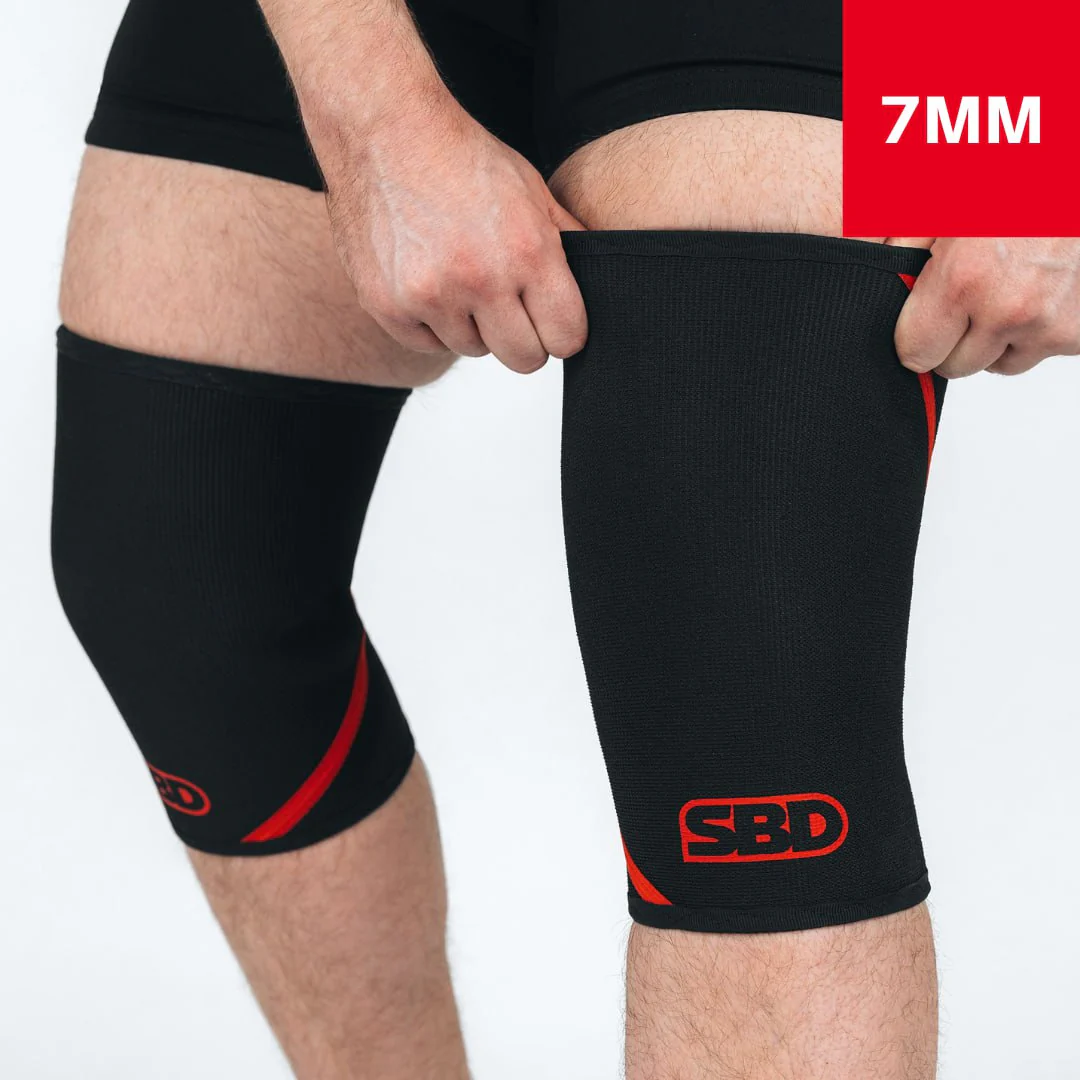
Knee Sleeves
Add warmth and a little support to the knees, plus a small rebound out of the bottom of the squat.
Check Out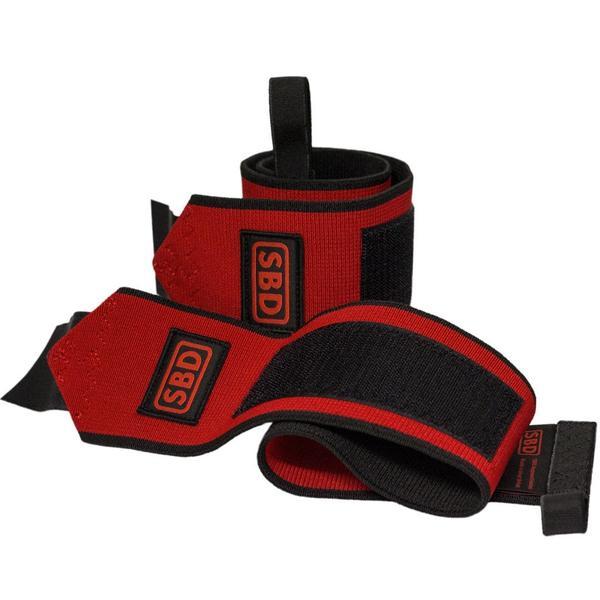
Wrist Wraps
Keep the wrist stacked under the bar on heavy bench and overhead pressing, so the joint doesn’t bend back under load.
Check Out
Lifting Straps
Secure your grip so heavy pulling and deadlift volume isn’t cut short by your hands giving out first.
Check OutLearn the lifts
New to any of the movements in this program? Our lift guides break down technique, cues and the common mistakes to avoid.
 Iron Library