
What is the GZCL Method?
The GZCL Method is a flexible programming framework created by Cody "GZCL" Lefever. Rather than a single fixed routine, it is a set of principles you can apply to any lift and any goal - which is why it has spawned a whole family of popular templates like Jacked & Tan 2.0, The Rippler, UHF and General Gainz.
The complete spreadsheet collection below bundles those templates together, so you can pick the one that matches your experience and goals.
The tier system
GZCL organises training into three tiers. Tier 1 (T1) is your main heavy work - the lowest reps at the highest intensity, building maximal strength. Tier 2 (T2) is secondary volume work at moderate intensity, reinforcing the main lift and adding muscle. Tier 3 (T3) is higher-rep accessory work at lighter loads to build size and bring up weak points.
Roughly speaking, you do the least volume on the heaviest tier and the most volume on the lightest - a simple pyramid that balances strength and hypertrophy in every session.
Jacked & Tan 2.0 and friends
Jacked & Tan 2.0 is one of the most popular GZCL templates - a strength-and-size block that rotates rep maxes on the main lift while stacking supporting volume beneath it. The Rippler offers a gentler, wavier progression, while UHF and General Gainz suit different experience levels and goals.
Because they all share the tier logic, you can move between them as your needs change without relearning a new system.
Who it’s for
GZCL scales from beginner to advanced because you choose the template and set the intensities. It suits lifters who want structure but also autonomy - a framework they can tailor rather than a rigid plan to obey.
The trade-off for that flexibility is that it asks a little more understanding up front: you need to grasp the tier system to set it up well, so it is less "plug and play" than a fixed routine.
Strengths & trade-offs
Strengths: extremely adaptable, balances strength and hypertrophy, and applies to any lift or goal. Once you understand it, you can program for yourself for years.
Trade-offs: the flexibility means more decisions to make, and beginners can feel lost picking a template and intensities without guidance.
How to run it
Pick the template that fits your level - Jacked & Tan 2.0 is a great strength-and-size default - then set your T1 main lifts and let the T2/T3 structure build volume beneath them. Keep the heavy tier heavy and the light tier high-rep.
Open the spreadsheet below to browse the templates, or copy it in Google Sheets to build your own numbers in.
The spreadsheet
Browse the full program below, or open it in Google Sheets to make your own copy and plug in your numbers.
Spreadsheet via LiftVault. If the preview doesn’t load, use “Open in Google Sheets”.
Equipment
This is a barbell program - you don’t need much, but a few pieces make it run smoothly.

Lifting Belt
Gives your core something to brace against, adding stability and lower-back support on heavy squats and deadlifts.
Check Out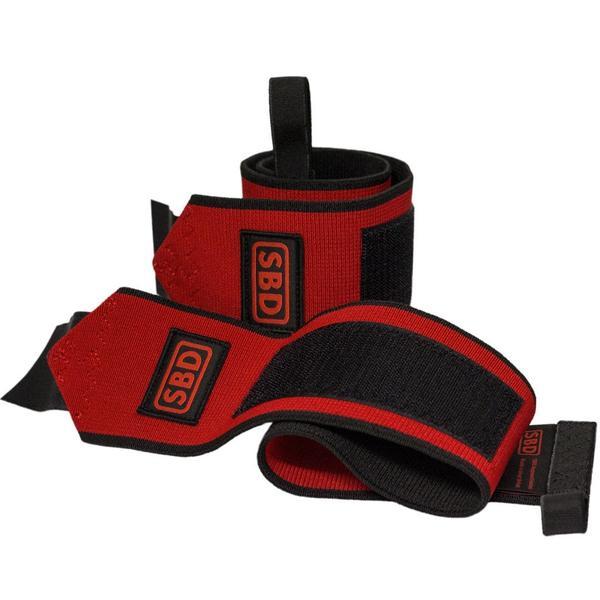
Wrist Wraps
Keep the wrist stacked under the bar on heavy bench and overhead pressing, so the joint doesn’t bend back under load.
Check Out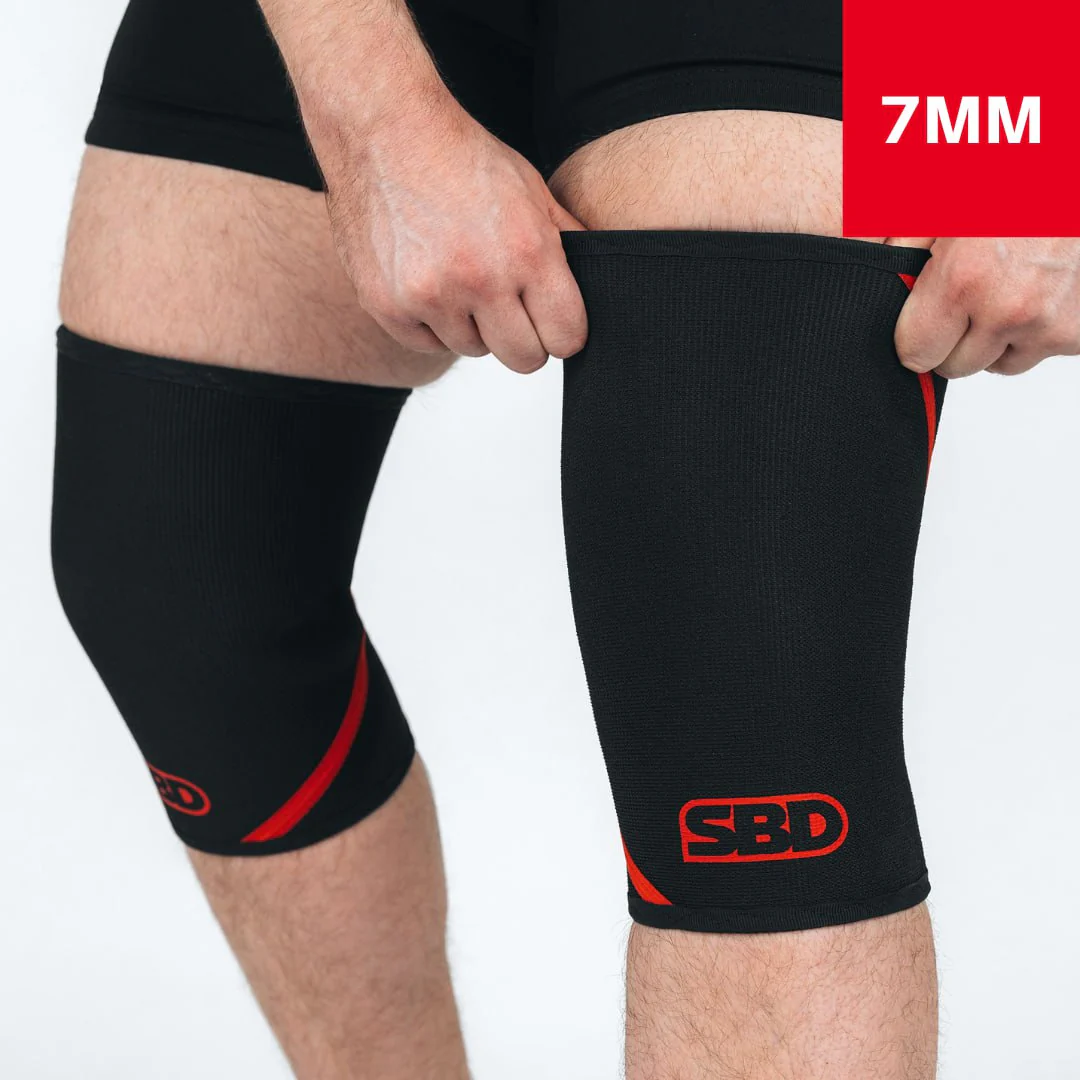
Knee Sleeves
Add warmth and a little support to the knees, plus a small rebound out of the bottom of the squat.
Check Out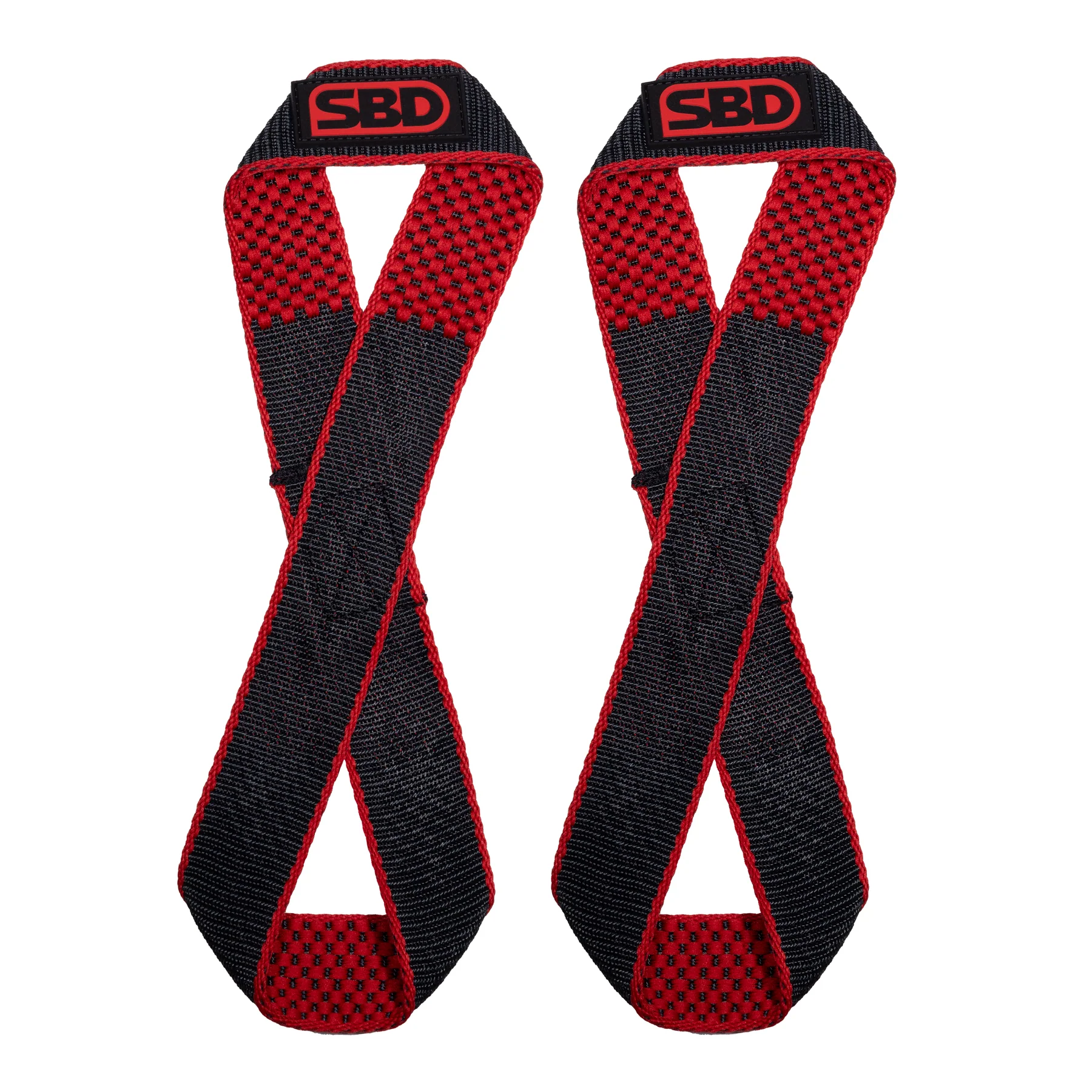
Lifting Straps
Secure your grip so heavy pulling and deadlift volume isn’t cut short by your hands giving out first.
Check OutLearn the lifts
New to any of the movements in this program? Our lift guides break down technique, cues and the common mistakes to avoid.
 Iron Library