What is GreySkull LP?
GreySkull LP (GSLP) is John Sheaffer’s take on the novice linear progression - the third member of the classic beginner trio alongside Starting Strength and StrongLifts, and arguably the most refined of the three. It keeps the add-weight-every-session engine but fixes the parts lifters most often complain about.
The two big changes: the last set of every lift is an AMRAP (as many reps as possible), and the program is explicitly designed to be customized with “plug-ins” for arms, conditioning or whatever else you care about.
The structure
You train three days a week, alternating two full-body workouts. Each session opens with a press - bench press and overhead press alternating - for 2 sets of 5 plus a final 5+ AMRAP, followed by a lower-body lift: squats on two days of the week, a single heavy deadlift AMRAP set on the third.
Around that barbell core you bolt on plug-ins: curls and neck work were Sheaffer’s originals, but chins, dips and conditioning are common. The base program is deliberately lean so the plug-ins do not push recovery over the edge.
AMRAPs & the 10% reset
You add 2.5 lb to the presses and 5 lb to squats and deadlifts each session, and the AMRAP set tells you how much room is left: ten fast reps means the weight is still easy, a hard-fought five means a stall is coming. Double-digit AMRAPs are also a hypertrophy stimulus the fixed 3×5 programs simply do not have.
When you finally miss five reps on the final set, you reset that lift 10% and build back up. Because the AMRAPs let you set rep PRs at weights you have already lifted, the rebuild is productive rather than repetitive - the reset is where a lot of GSLP’s muscle gets built.
Who it’s for
GSLP is for beginners who want linear-progression speed but also care about their arms, their conditioning, or simply not squatting heavy sets across three times a week. It is also an excellent restart program after a long layoff, since the AMRAPs autoregulate the comeback.
Like every LP it is a phase: once resets stop producing new rep PRs, you have graduated - Madcow, 5/3/1 or GZCL-style programming is next.
Strengths & trade-offs
Strengths: the AMRAP sets give feedback and extra growth for free, resets feel like progress instead of punishment, pressing frequency is higher than Starting Strength, and the plug-in system makes it genuinely yours.
Trade-offs: the base program is minimal - skip the plug-ins and total volume is low, especially for the back (add chins or rows; your future self will thank you). Deadlifting once a week for one set is also light for lifters who love pulling.
How to run it
Start conservative, fight for every AMRAP but stop one clean rep short of failure, and add at most one or two plug-ins - chins and curls are the classic picks. Take the 10% reset the session after you miss, without negotiating with yourself.
The spreadsheet below lays out the alternation, jumps and resets; copy it in Google Sheets and enter your starting weights.
The spreadsheet
Browse the full program below, or open it in Google Sheets to make your own copy and plug in your numbers.
Spreadsheet via LiftVault. If the preview doesn’t load, use “Open in Google Sheets”.
Equipment
This is a barbell program - you don’t need much, but a few pieces make it run smoothly.
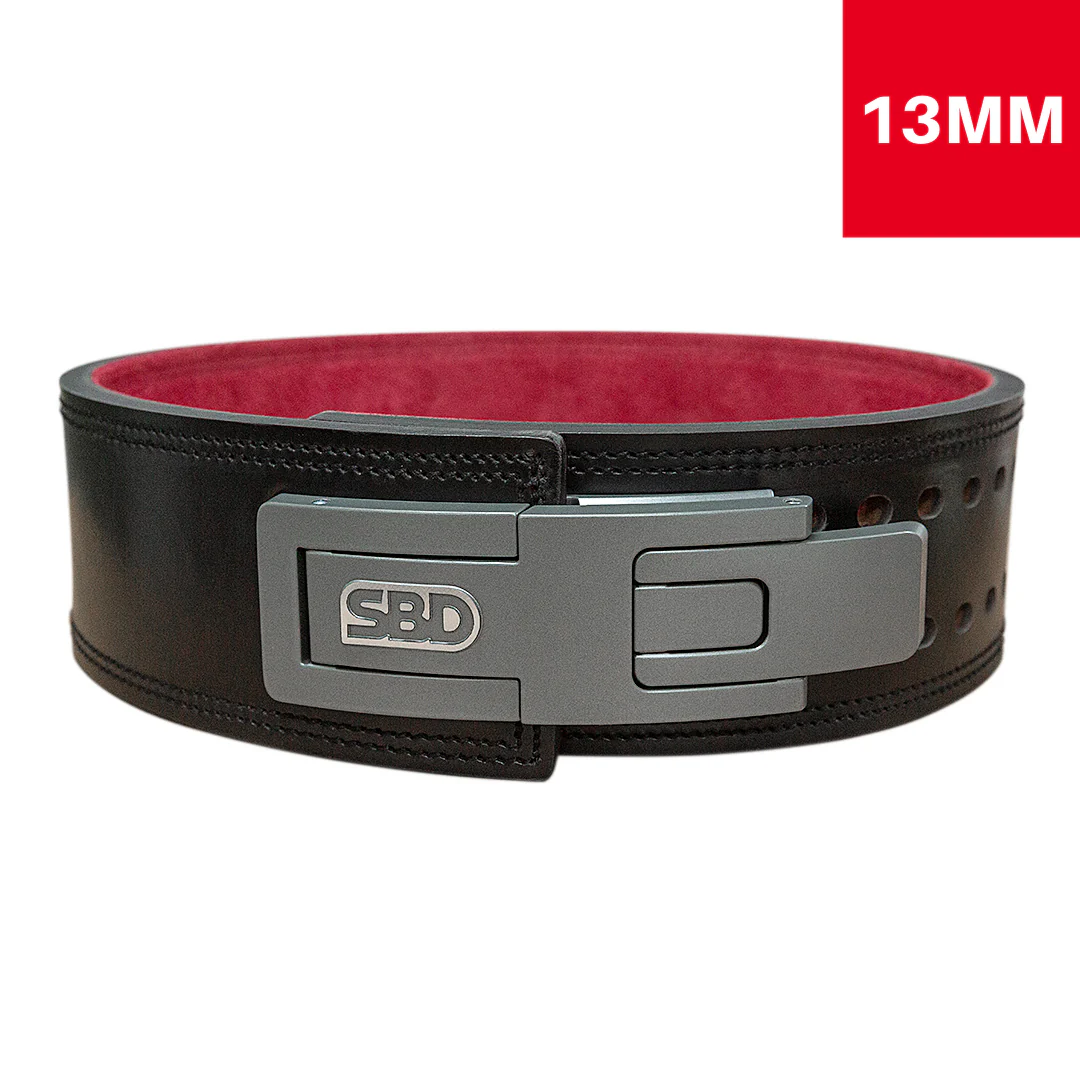
Lifting Belt
Gives your core something to brace against, adding stability and lower-back support on heavy squats and deadlifts.
Check Out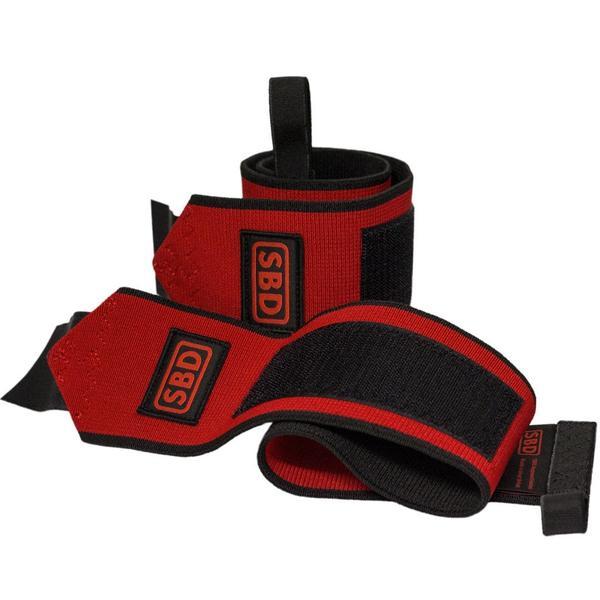
Wrist Wraps
Keep the wrist stacked under the bar on heavy bench and overhead pressing, so the joint doesn’t bend back under load.
Check Out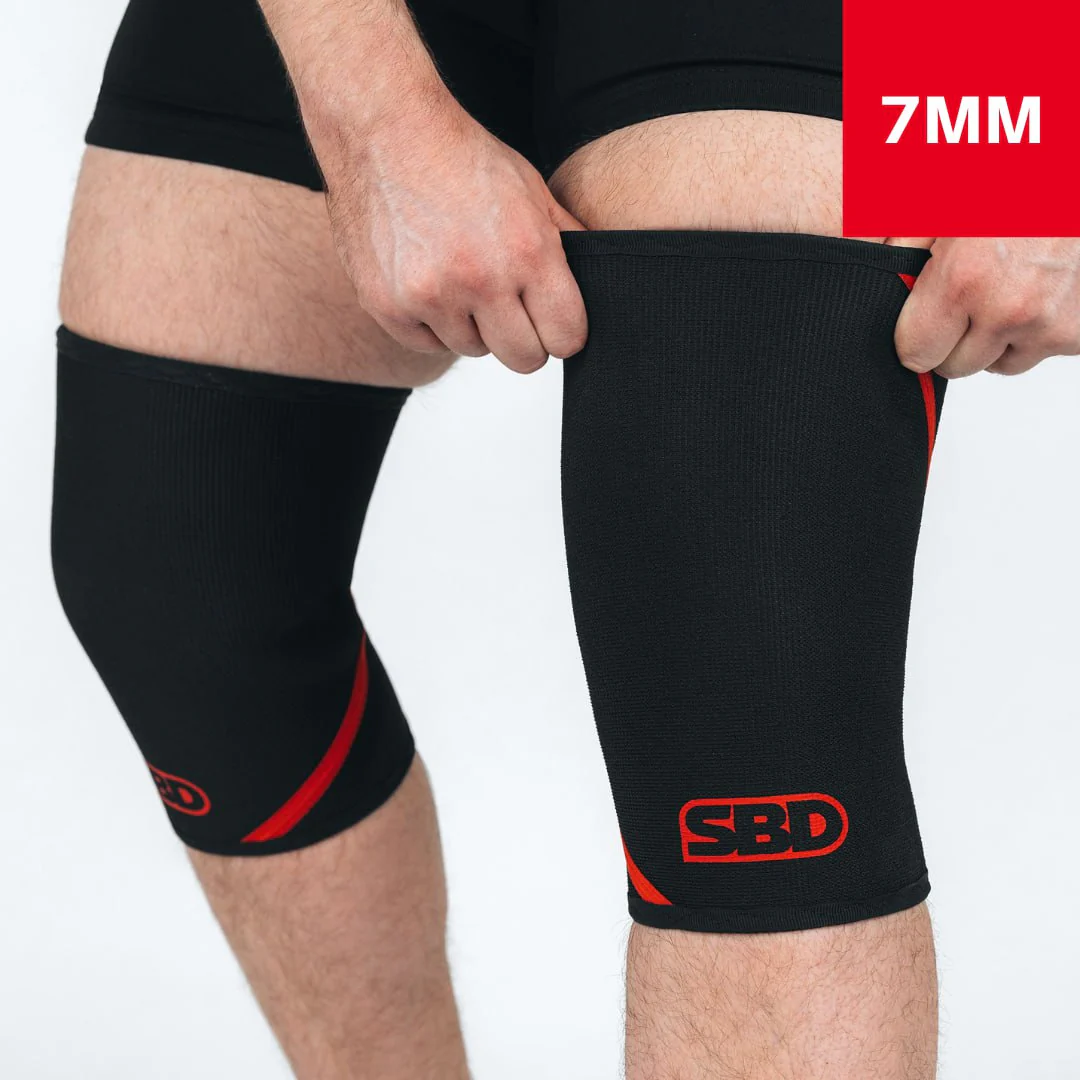
Knee Sleeves
Add warmth and a little support to the knees, plus a small rebound out of the bottom of the squat.
Check Out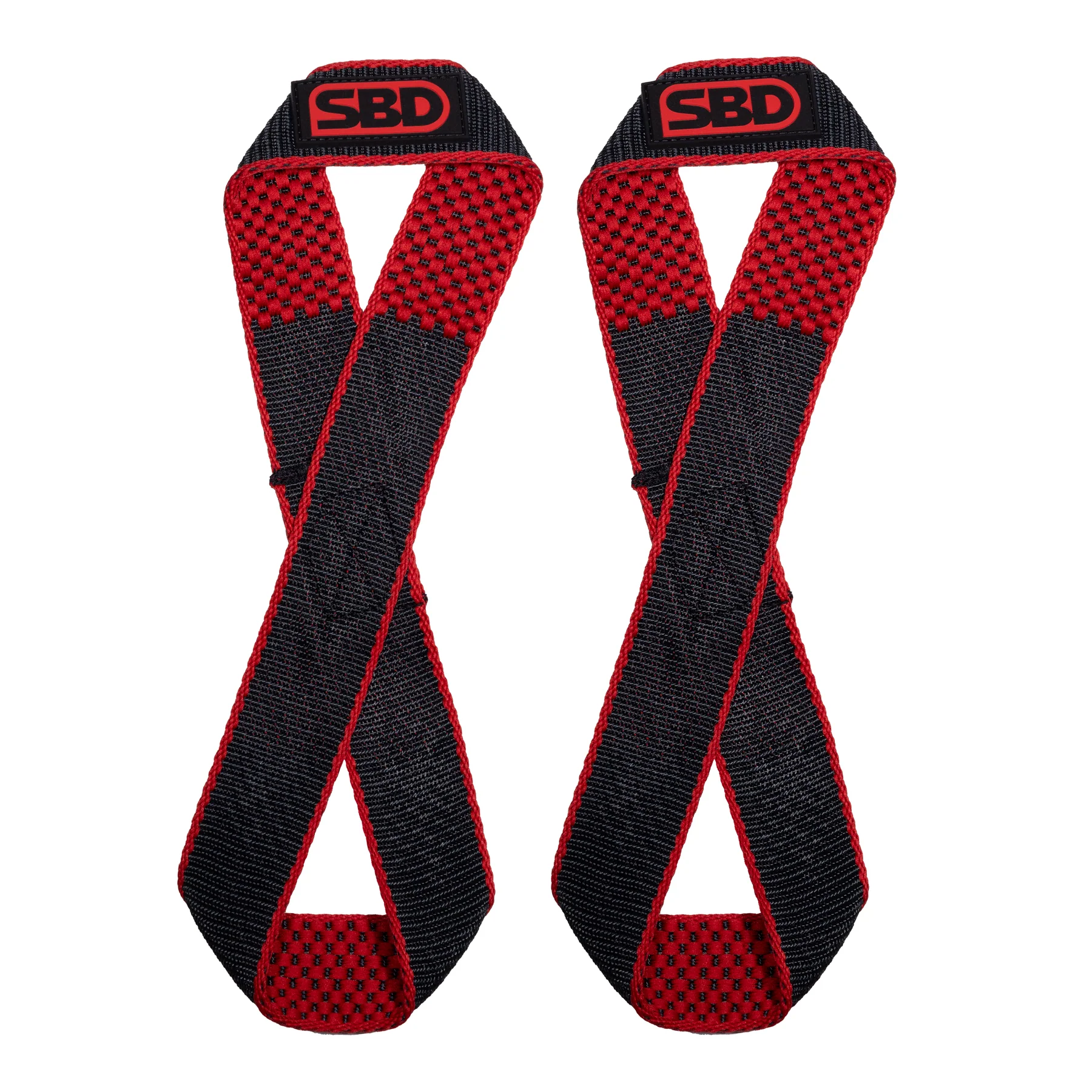
Lifting Straps
Secure your grip so heavy pulling and deadlift volume isn’t cut short by your hands giving out first.
Check OutLearn the lifts
New to any of the movements in this program? Our lift guides break down technique, cues and the common mistakes to avoid.
 Iron Library