What is the Golden Six?
The Golden Six is the beginner routine Arnold Schwarzenegger used in his early training years and recommended for years afterwards. Six exercises, three sessions a week, full body - and a striking contrast with the six-day double split he is better known for.
It endures because it is a genuinely well-chosen list. The six movements between them cover the entire body with barbell compounds, and a beginner running them consistently will get results that no amount of machine circuits will match.
How it works
You train the whole body three times a week, performing the same six exercises every session: a squat, a flat barbell press, a chin-up or pulldown, an overhead press, a barbell curl and abdominal work. Sets are moderate, reps sit in the growth-friendly range, and that is the entire program.
Progression is the simplest possible model: when the prescribed reps become manageable, add weight. There is no periodization, no percentage table and nothing to configure - which is exactly right for someone in their first year.
Why six exercises is enough
A beginner does not need variety; they need repetition. Six compound movements cover every major muscle group, and performing them three times a week means eighteen quality exposures a fortnight to the patterns that matter most.
The limited selection is also what makes progression obvious. You know precisely what you lifted last Monday and precisely what you need to beat, and that clarity is worth more in the first year than any amount of sophisticated programming.
Who it’s for
This is for beginners - anyone in their first year of training who wants a simple, proven place to start, and anyone returning after a long layoff who wants to rebuild a base before adding complexity.
Intermediates will outgrow it fairly quickly and should move to a program with more volume and a proper progression scheme. It is also worth noting there is no direct triceps, hamstring or rear-delt work, which matters more the further along you get.
Strengths & trade-offs
Strengths: extremely simple, short sessions, only three days a week, barbell compounds that build a real base, and a progression model that a complete beginner cannot get wrong.
Trade-offs: the exercise selection is dated in places, coverage of some smaller muscle groups is thin, and it runs out of road after a year or so. Modern novice programs like Fierce 5 or Ivysaur 4-4-8 cover more ground.
How to run it
Learn the six movements properly before you chase weight - a year of good technique beats a month of fast loading followed by a stall you cannot diagnose. Open the spreadsheet below for the sets, reps and progression.
If you are pressing overhead behind the neck as the original routine specified, consider pressing to the front instead unless your shoulder mobility is genuinely excellent. When progress stops coming every session, you have got what this program has to offer and it is time to move on.
The spreadsheet
Browse the full program below, or open it in Google Sheets to make your own copy and plug in your numbers.
Spreadsheet via LiftVault. If the preview doesn’t load, use “Open in Google Sheets”.
Equipment
This is a barbell program - you don’t need much, but a few pieces make it run smoothly.

Lifting Belt
Gives your core something to brace against, adding stability and lower-back support on heavy squats and deadlifts.
Check Out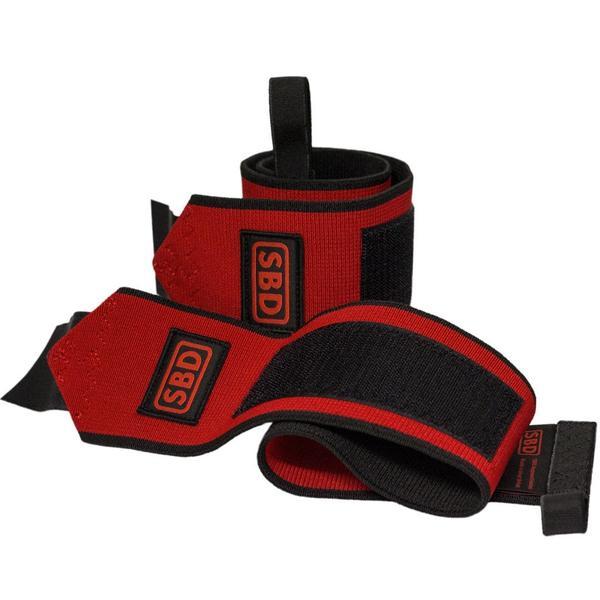
Wrist Wraps
Keep the wrist stacked under the bar on heavy bench and overhead pressing, so the joint doesn’t bend back under load.
Check Out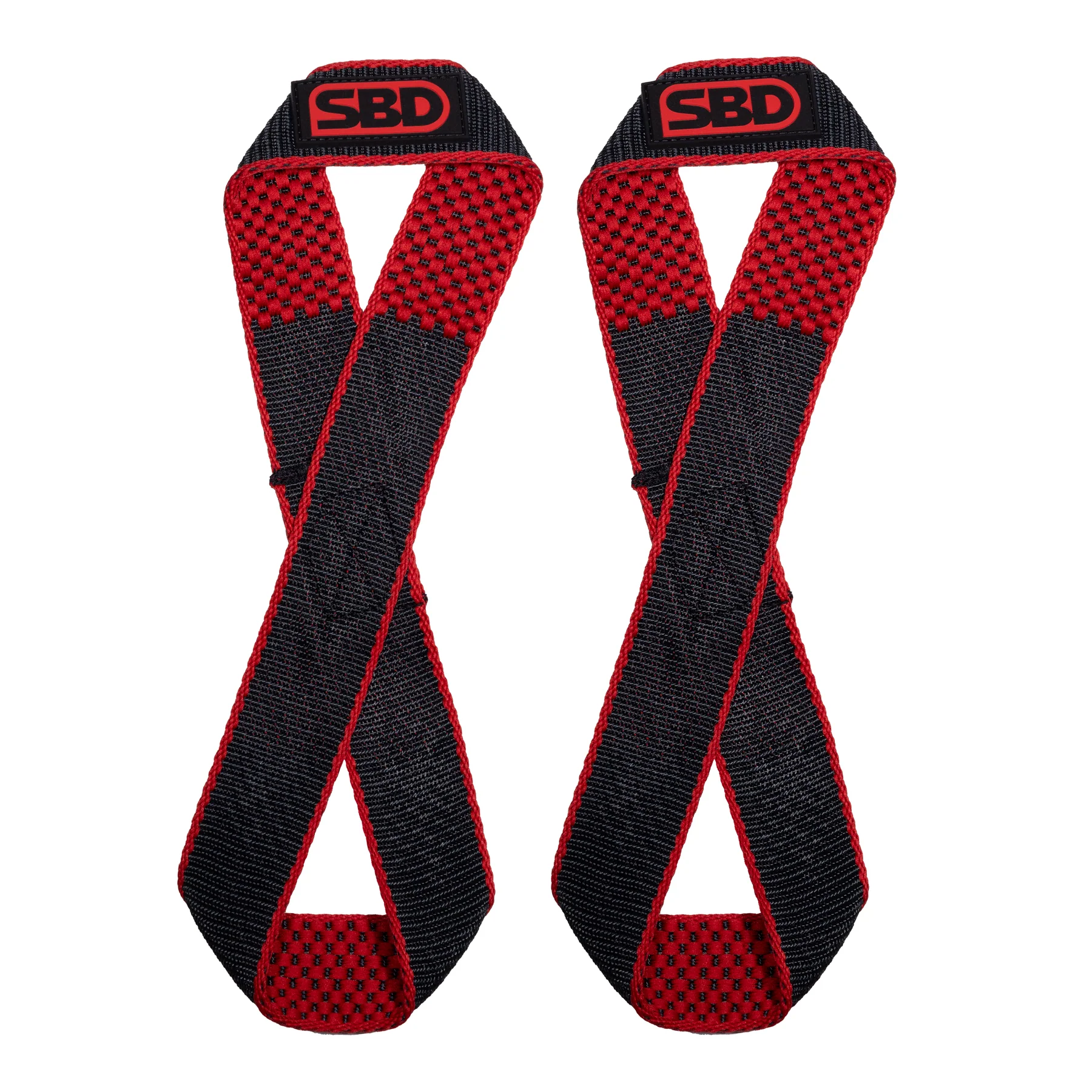
Lifting Straps
Secure your grip so heavy pulling and deadlift volume isn’t cut short by your hands giving out first.
Check OutLearn the lifts
New to any of the movements in this program? Our lift guides break down technique, cues and the common mistakes to avoid.
 Iron Library