
What is German Volume Training?
German Volume Training - the “10 sets of 10” method - is a brutally simple hypertrophy protocol with roots in the off-season training of German weightlifters, popularized in the English-speaking world by coach Charles Poliquin. One big compound exercise, ten sets of ten reps, same weight throughout.
The logic is pure accumulation: 100 quality reps on a single movement is a growth stimulus almost nothing else matches, and the monotony is the point - your body has no choice but to adapt to the workload.
How it works
You pick one primary compound per region - squats for legs, bench for chest, rows for back - and load roughly 60% of your one-rep max, a weight you could lift about twenty times fresh. Then you perform 10 sets of 10 with strict, short rests of 60–90 seconds, followed by a small amount of light accessory work.
The classic split runs each session about twice per five days: chest and back together, legs and abs, a rest day, arms and shoulders, rest. The first three or four sets feel insultingly easy. Sets seven through ten are where the program earns its reputation - the short rests compound fatigue until 60% feels like a max effort.
Progression & duration
Progression is binary: the day you complete all 10×10 with the same weight and honest rest periods, you add 2.5–5% and start the climb again. No AMRAPs, no autoregulation - just the slow conquest of one hundred reps.
GVT is a block, not a lifestyle. Run it four to six weeks and get out: the workload that forces rapid growth becomes plain overtraining once the novelty wears off. Follow it with a lower-volume strength phase to consolidate the new muscle.
Who it’s for
GVT suits intermediate and advanced lifters in a dedicated size phase - ideally a calorie surplus - who have a plateau to break or a stubborn body part to shock. Technique on the chosen lifts must already be automatic, because form is the first casualty of set eight.
It is wrong for beginners (they grow faster on far less punishing programs), wrong on a cut, and wrong in-season for any athlete who needs to be fresh for anything else.
Strengths & trade-offs
Strengths: an unmistakable hypertrophy stimulus, total simplicity (one number to remember), time-boxed with a clear end date, and it doubles as a work-capacity builder that makes every later program feel manageable.
Trade-offs: it is miserable in a way spreadsheets cannot convey, top-end strength can dip during the block from the sheer fatigue, and the soreness - especially the leg day - is legendary. Respect the 60%: starting heavier is the classic way to fail it.
How to run it
Calculate an honest 60%, use a rest timer religiously (drifting to three-minute rests quietly deletes the stimulus), and keep the accessory work token - the 10×10 is the program. Eat like it is your job.
The spreadsheet below lays out the split and loading; copy it in Google Sheets, enter your maxes, and clear four to six weeks of your calendar.
The spreadsheet
Browse the full program below, or open it in Google Sheets to make your own copy and plug in your numbers.
Spreadsheet via LiftVault. If the preview doesn’t load, use “Open in Google Sheets”.
Equipment
This is a barbell program - you don’t need much, but a few pieces make it run smoothly.

Lifting Belt
Gives your core something to brace against, adding stability and lower-back support on heavy squats and deadlifts.
Check Out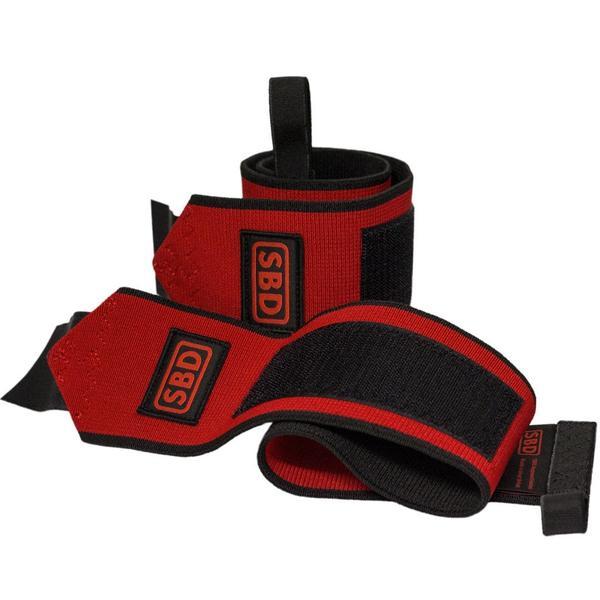
Wrist Wraps
Keep the wrist stacked under the bar on heavy bench and overhead pressing, so the joint doesn’t bend back under load.
Check Out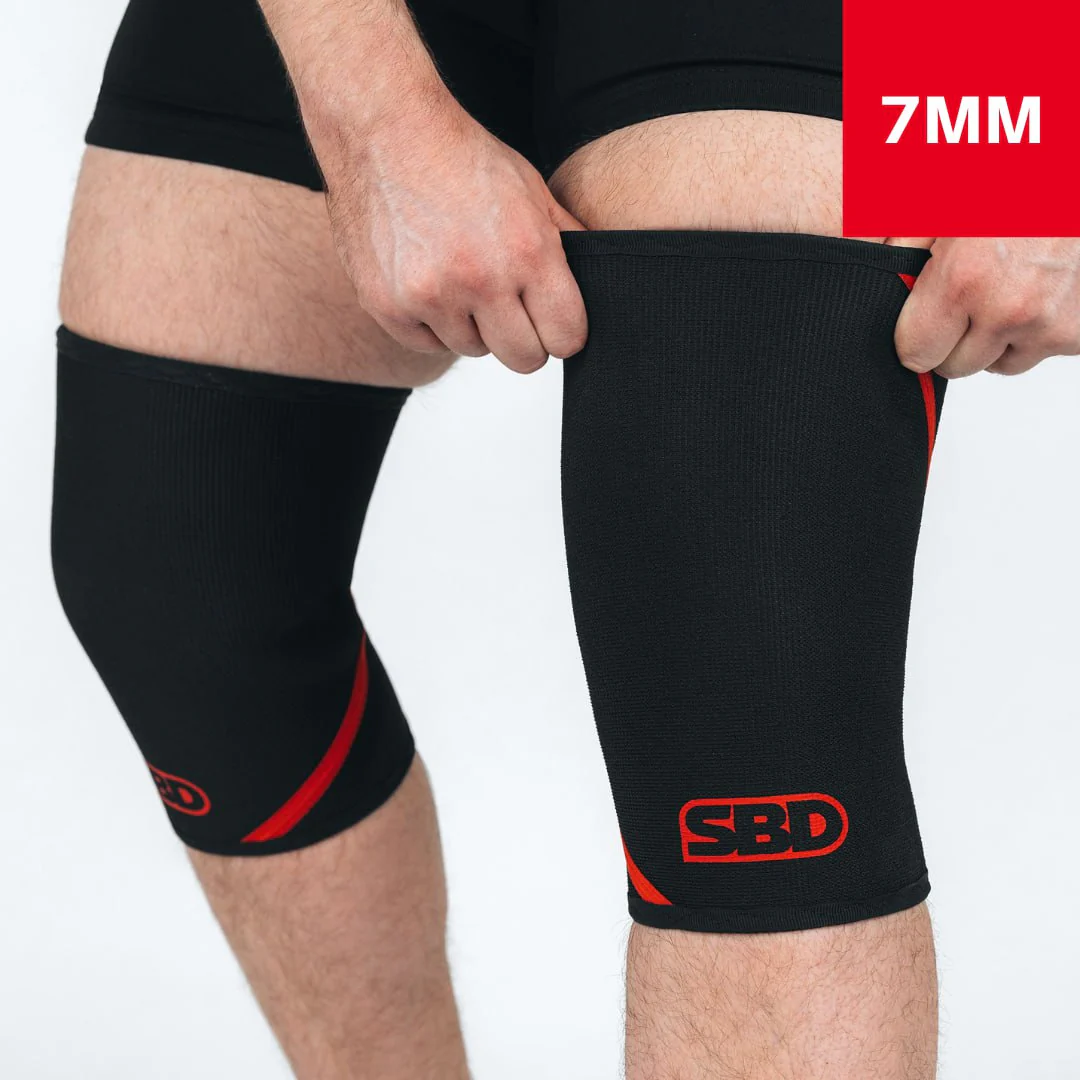
Knee Sleeves
Add warmth and a little support to the knees, plus a small rebound out of the bottom of the squat.
Check Out
Lifting Straps
Secure your grip so heavy pulling and deadlift volume isn’t cut short by your hands giving out first.
Check OutLearn the lifts
New to any of the movements in this program? Our lift guides break down technique, cues and the common mistakes to avoid.
 Iron Library