What is Fierce 5?
Fierce 5 is a free novice routine that became one of the most recommended starting programs online, largely because it fills an obvious gap. Classic beginner templates are excellent at building strength on a handful of barbell lifts but thin on the work that makes a beginner actually look like they lift; Fierce 5 keeps the linear progression and adds that work back in.
It runs three days a week, full body, alternating between two workouts. The barbell lifts anchor each session and a short list of accessories fills out the upper back, arms and shoulders.
How it works
Two sessions - an A day and a B day - alternate across three training days a week, so you train the whole body every time and hit each main lift roughly every five days. Squats appear in both, with the pressing and pulling lifts rotating between them.
Progression is the standard novice model: hit the prescribed sets and reps, add a small increment next time, repeat. Lower-body lifts climb faster than upper-body lifts because that is how beginner adaptation actually works - trying to add the same weekly jump to your press as your squat is the fastest way to stall.
How it compares to other novice programs
Against Starting Strength or StrongLifts, Fierce 5 trades a little barbell simplicity for a broader stimulus. You still squat three times a week and still add weight every session, but you also get dedicated rows, lat work, and some direct arm and rear-delt volume.
For most people that trade is worth making. The strength gains over a novice cycle are broadly comparable, the physique change is more obvious, and the extra upper-back work tends to make pressing and pulling technique better rather than worse.
Who it’s for
This is for true beginners - anyone in their first six to twelve months of serious barbell training who wants to get stronger and visibly more muscular at the same time, on three sessions a week.
Returning lifters can use it for a short re-entry block, running the progression quickly back up to previous weights. Intermediates who have already stalled repeatedly on linear progression should move to a program with weekly rather than session-by-session progression.
Strengths & trade-offs
Strengths: fast, simple progression, full-body frequency, a sensible amount of hypertrophy work, only three gym days a week, and a free spreadsheet that does the arithmetic for you.
Trade-offs: like every linear progression it has an expiry date - eventually you cannot add weight every session and you need a new program. Sessions also run longer than a strength-only novice routine because of the accessories.
How to run it
Start lighter than your ego wants. The whole value of linear progression is in the weeks of successful jumps you string together, and starting 20% too heavy costs you a month of easy progress.
Open the spreadsheet below, enter your starting weights, and follow it until you genuinely cannot add weight. When you miss reps on the same lift three sessions running, reset that lift by about 10% and build back - and when resets stop working across the board, you have graduated.
The spreadsheet
Browse the full program below, or open it in Google Sheets to make your own copy and plug in your numbers.
Spreadsheet via LiftVault. If the preview doesn’t load, use “Open in Google Sheets”.
Equipment
This is a barbell program - you don’t need much, but a few pieces make it run smoothly.

Lifting Belt
Gives your core something to brace against, adding stability and lower-back support on heavy squats and deadlifts.
Check Out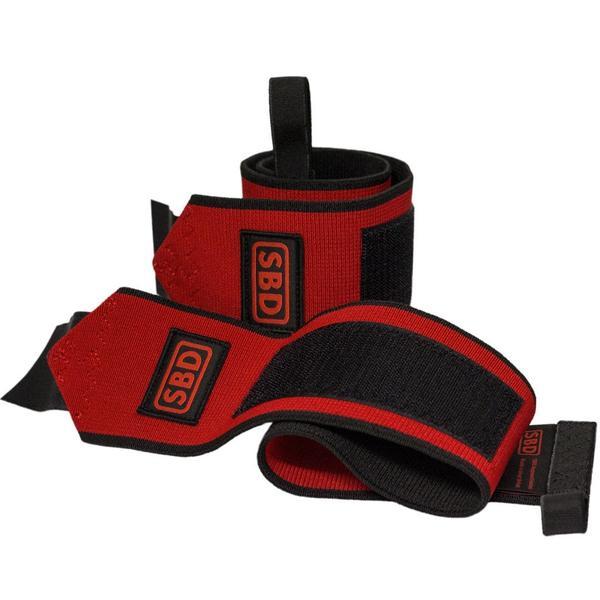
Wrist Wraps
Keep the wrist stacked under the bar on heavy bench and overhead pressing, so the joint doesn’t bend back under load.
Check Out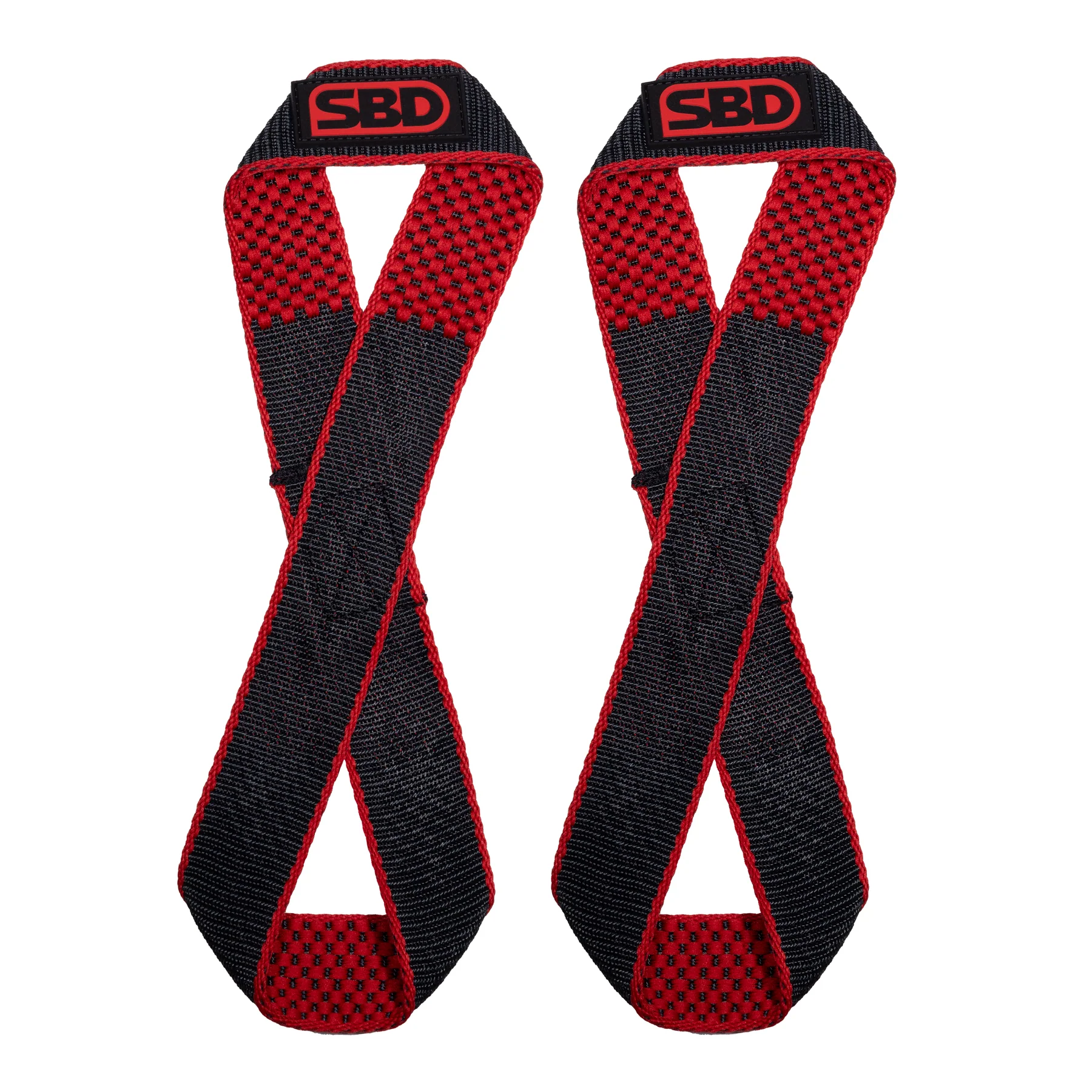
Lifting Straps
Secure your grip so heavy pulling and deadlift volume isn’t cut short by your hands giving out first.
Check OutLearn the lifts
New to any of the movements in this program? Our lift guides break down technique, cues and the common mistakes to avoid.
 Iron Library