What is the Ed Coan deadlift program?
Properly, this is the Coan/Phillipi deadlift routine: Ed Coan’s deadlift training, adapted and written up as a repeatable template by Mark Phillipi. Coan is widely considered the greatest powerlifter who ever lived, and the routine exists because someone took the way he actually trained the pull and turned it into a table anyone can follow.
It is a ten-week peaking cycle for one lift. That narrow scope is why it stayed popular: it does not ask you to rebuild your week, it asks for one deadlift session every seven days for ten weeks and tells you exactly what to put on the bar each time.
Working back from a goal max
Almost every other program scales from what you can lift today. This one scales from what you intend to lift in week ten. You enter a goal max, and the sheet builds every weekly weight backwards from that target, so that single number sets the difficulty of all ten sessions.
Pick a modest personal record. Roughly 5% over your current best, or 10–20 lb, is the sensible window. Set it 50 lb high and the arithmetic does not fail gracefully: the middle weeks land on weights you cannot complete for the prescribed reps, and the cycle falls apart around week six or seven instead of at the end, where a miss would at least tell you something.
The ten-week climb
One deadlift session per week, ten sessions total. Weight climbs and reps fall in step: the opening weeks sit in the sets-of-five range at percentages down in the 60s and 70s of your goal, the middle weeks move to triples and doubles through the 80s, and the closing weeks are heavy singles at and around the goal itself.
There is no AMRAP, no RPE and no autoregulation anywhere in it. Each week gives you one weight for one rep count, and you either make it or you have learned that your goal was too ambitious. Once a week is deliberate too - a heavy pull plus its assistance is about as much as most lifters can absorb and still show up for the rest of their training.
The assistance is not optional
This is where the routine separates itself from most deadlift cycles: the accessory work is prescribed and calculated, not left to your judgement. After the day’s top deadlift work you perform stiff-leg deadlifts and barbell rows, each for a set rep scheme at a percentage of that day’s deadlift weight, so the assistance scales up through the cycle in lockstep with the main lift.
In the original write-up that scheme is fixed, and it is the reason the program builds a deadlift instead of merely testing one. The stiff-legs load the hamstrings and the position off the floor; the rows build the upper back that keeps the bar tight to you. Swap them for whatever you feel like on the day and you are left with ten heavy singles and a warm-up.
Who it’s for
Intermediate and advanced lifters with a stalled deadlift, technique that holds together under a genuine near-max single, and ten weeks they are willing to give to one lift. It suits people who would rather be told what to lift than decide it in the moment.
It is not a beginner program. You cannot set a meaningful goal max without a reliable current one, and a novice adding 5 lb a session will out-progress the entire cycle in half the time. Skip it too if your lower back is already complaining, or if you are in meet prep and need the squat and bench climbing at the same rate.
Strengths & trade-offs
Strengths: short, specific and almost impossible to misread. The percentage-linked assistance means you cannot accidentally under-do the supporting work, the once-weekly frequency leaves your other training intact, and there is a defined finish line ten weeks out.
Trade-offs: the whole cycle hangs on the goal max you choose, and there is no built-in mechanism to rescue a bad guess short of restarting. The final weeks are heavy singles, which cost the lower back something, and the program does essentially nothing for your squat and bench beyond keeping them ticking over.
How to run it
Enter your current best deadlift, set a goal about 5% above it, and let the sheet build the ten weeks. Put the deadlift session on the day you are freshest, and hold the rest of your training at maintenance volume for the duration - this is a specialisation block, and it will not tolerate a second hard pulling day.
Run the assistance exactly as written rather than as a suggestion, and use straps on the accessory volume so your grip is not the thing that ends the set. If you miss a prescribed week, finish the cycle on the weights it gives you instead of improvising, then run it again with a smaller goal.
Open the spreadsheet below to see all ten weeks laid out, or copy it in Google Sheets and enter your own goal max.
The spreadsheet
Browse the full program below, or open it in Google Sheets to make your own copy and plug in your numbers.
Spreadsheet via LiftVault. If the preview doesn’t load, use “Open in Google Sheets”.
Equipment
This is a barbell program - you don’t need much, but a few pieces make it run smoothly.
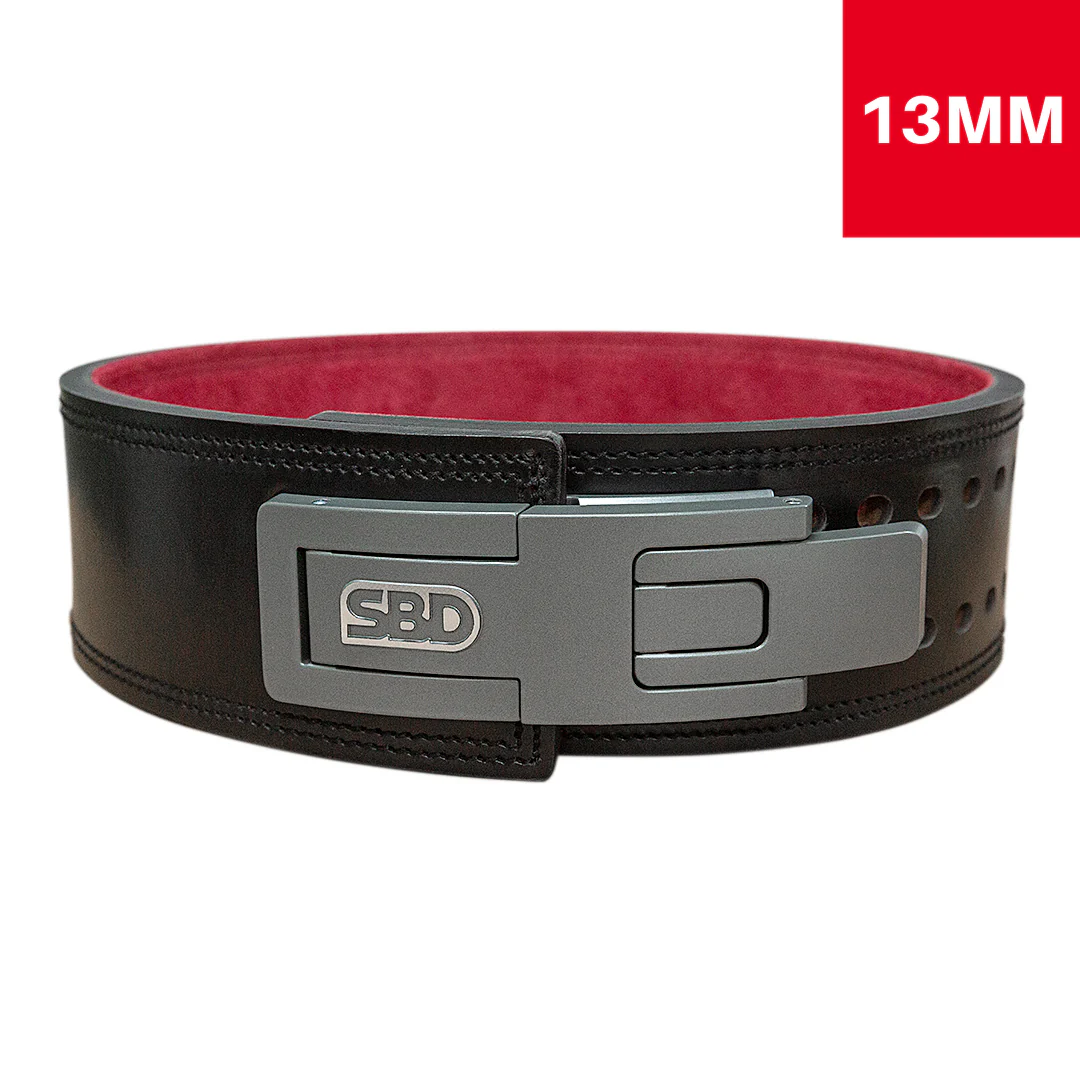
Lifting Belt
Gives your core something to brace against, adding stability and lower-back support on heavy squats and deadlifts.
Check Out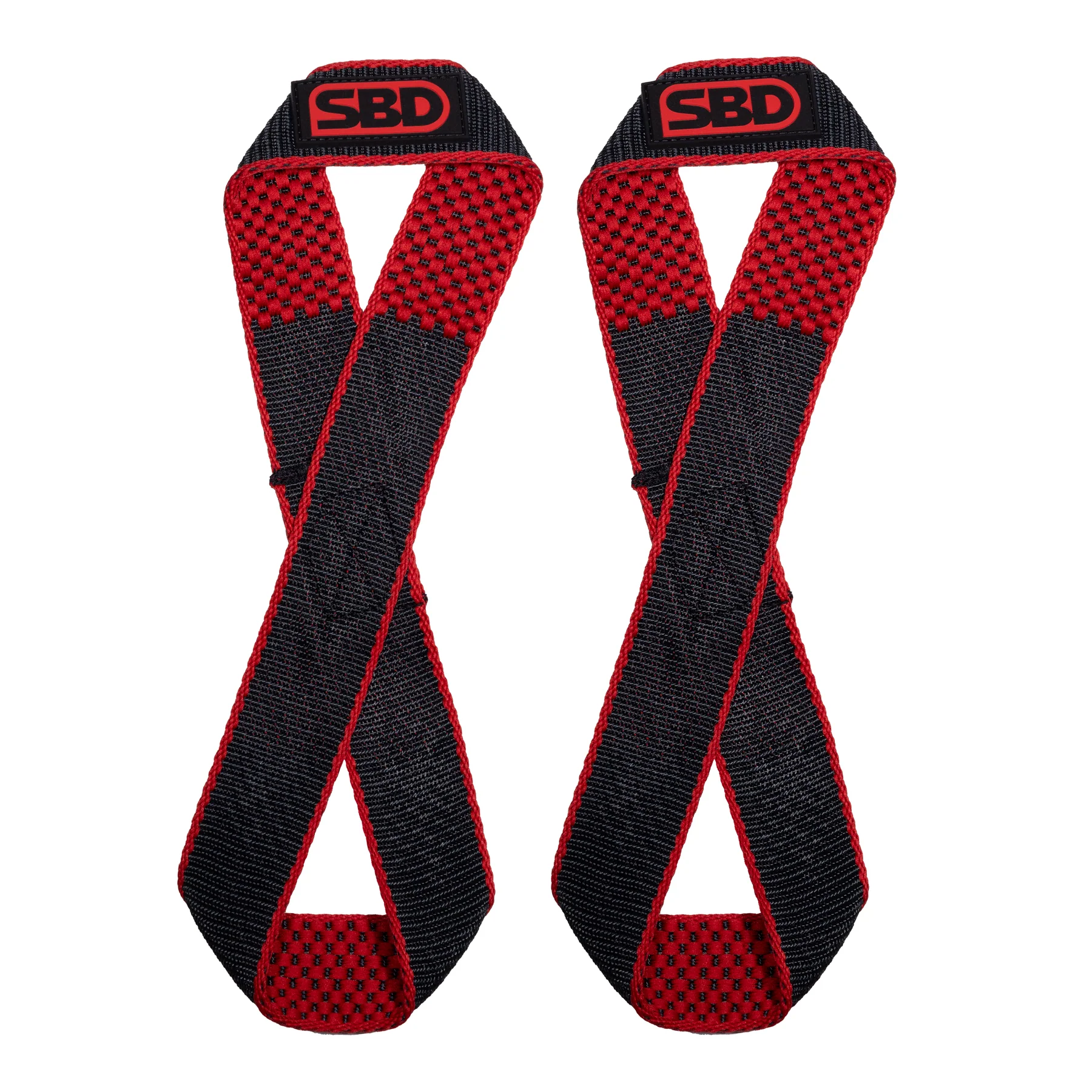
Lifting Straps
Secure your grip so heavy pulling and deadlift volume isn’t cut short by your hands giving out first.
Check Out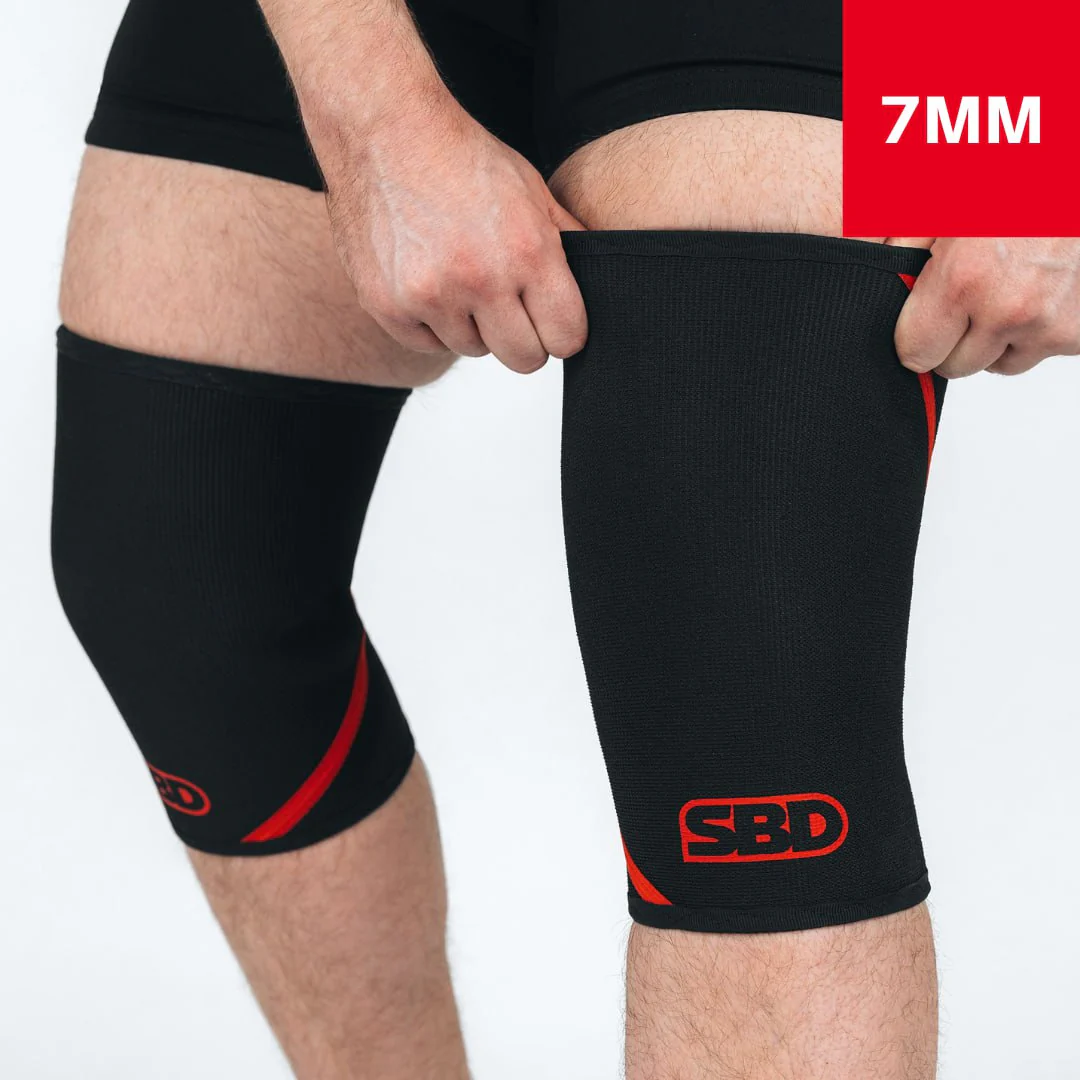
Knee Sleeves
Add warmth and a little support to the knees, plus a small rebound out of the bottom of the squat.
Check OutLearn the lifts
New to any of the movements in this program? Our lift guides break down technique, cues and the common mistakes to avoid.
 Iron Library