
What is the 1987-1992 Yates routine?
This is the training Dorian Yates used in the years leading up to his six Mr. Olympia titles - the building phase, not the famous pared-back Blood and Guts routine of his peak. It is the program that put the mass on in the first place, which is why it is arguably the more useful one to study.
It sits between two eras. There is more work here than the one-all-out-set HIT Yates later became synonymous with, but far less than the golden-era volume of the Arnold years, and every set that remains is done with genuine intent.
How it works
The week is a four-day split, giving each area its own session and plenty of recovery between them. Sessions are short by bodybuilding standards because the working sets are few and the rest of the volume is warm-up work building toward them.
The defining feature is effort. Warm-up sets ramp to a top working set taken to or very near failure, often extended with forced reps or negatives. The heavy compound movements - rows, presses, squats and their machine equivalents - carry the load, with isolation work used to finish rather than to accumulate volume.
Intensity over volume
The Yates logic, inherited from Mike Mentzer and Arthur Jones, is that one set taken to genuine muscular failure is a more powerful growth signal than several sets stopped short of it - and that once you have delivered that signal, more sets add fatigue rather than stimulus.
Modern research suggests the truth sits somewhere between this and the high-volume camp, and that most lifters do better on more than one hard set per exercise. But the core discipline here - that a working set should be genuinely hard, not merely completed - is the thing worth taking from it regardless of which camp you sit in.
Who it’s for
This is for advanced lifters with years of training behind them, solid technique on heavy compounds, and the ability to actually train to failure safely - which for barbell work usually means a competent spotter or a power rack with pins set.
Beginners and early intermediates should not run this. Training to failure with poor technique is how people get hurt, and novices grow perfectly well on far less intensity and far more practice.
Strengths & trade-offs
Strengths: short, time-efficient sessions, generous recovery between body parts, and a level of focus per set that most training lacks entirely. It also builds real mental toughness - there is nowhere to hide in a set taken to failure.
Trade-offs: the injury risk is higher than a moderate-intensity program, the systemic fatigue from repeated failure training accumulates, and the low set count leaves little room for error - a poorly executed working set means the session accomplished nothing.
How to run it
Warm up thoroughly - the working sets are heavy and there are not enough of them to ease into. Use a rack, a spotter or machines for the movements where failure is genuinely dangerous, and be honest about what failure means: it is when the bar stops, not when it gets uncomfortable.
Open the spreadsheet below to see the split and the session layout. Track the weight and reps on every working set; on a program with this few sets, the log is the only evidence you are progressing. Take extra rest days when performance drops rather than pushing through.
The spreadsheet
Browse the full program below, or open it in Google Sheets to make your own copy and plug in your numbers.
Spreadsheet via LiftVault. If the preview doesn’t load, use “Open in Google Sheets”.
Equipment
This is a barbell program - you don’t need much, but a few pieces make it run smoothly.
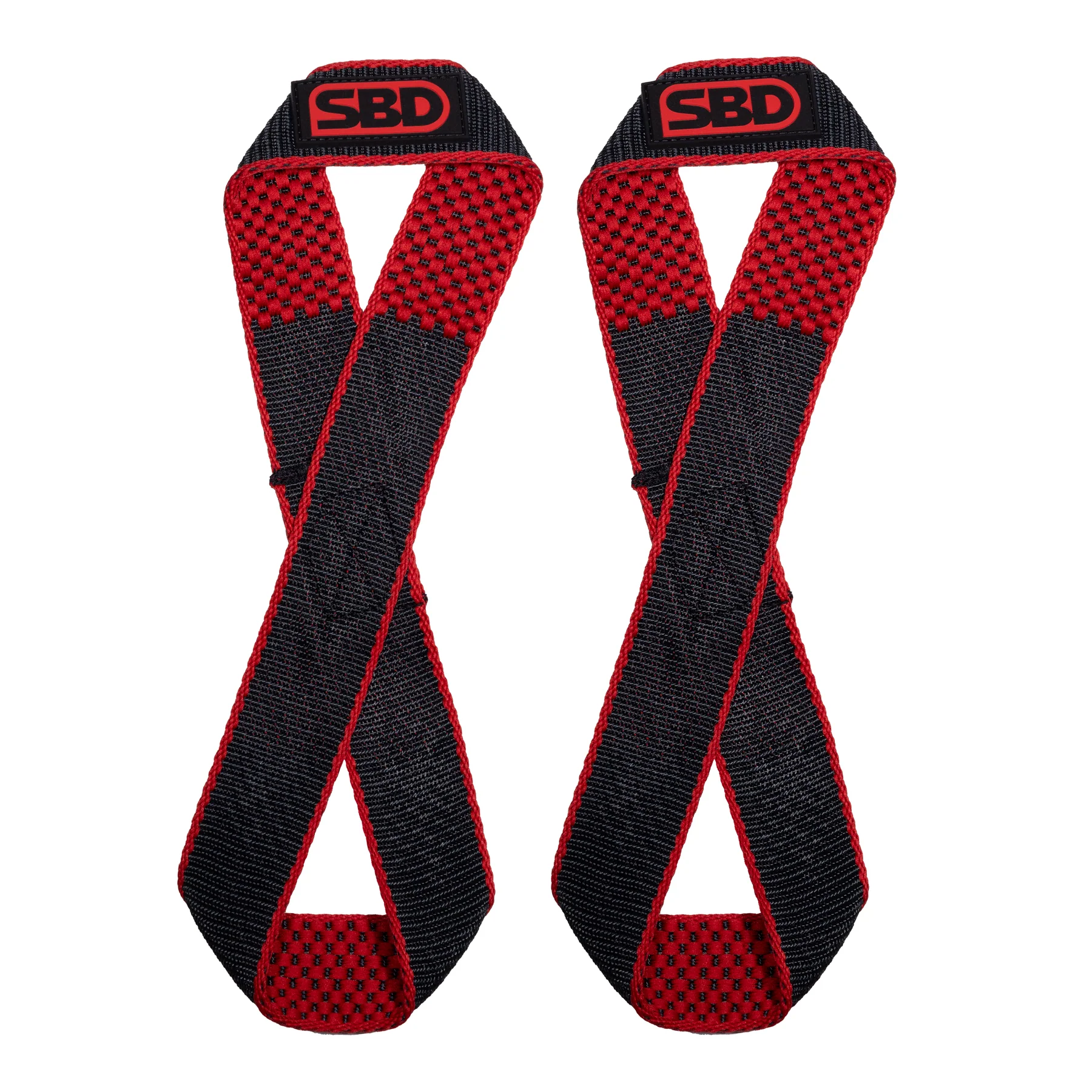
Lifting Straps
Secure your grip so heavy pulling and deadlift volume isn’t cut short by your hands giving out first.
Check Out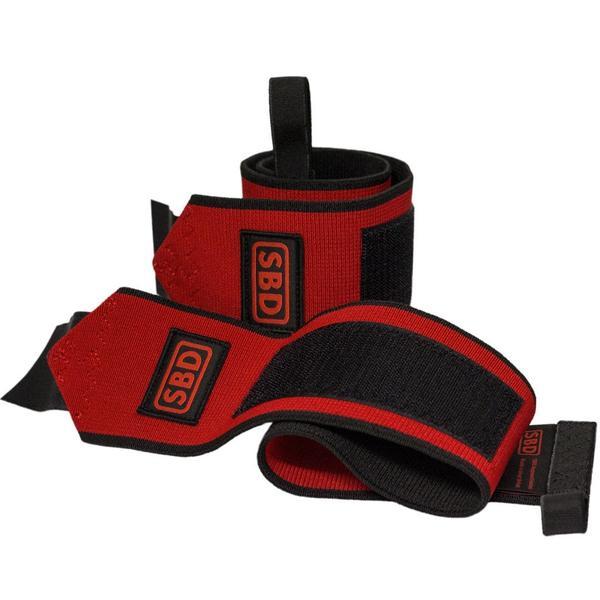
Wrist Wraps
Keep the wrist stacked under the bar on heavy bench and overhead pressing, so the joint doesn’t bend back under load.
Check Out
Lifting Belt
Gives your core something to brace against, adding stability and lower-back support on heavy squats and deadlifts.
Check Out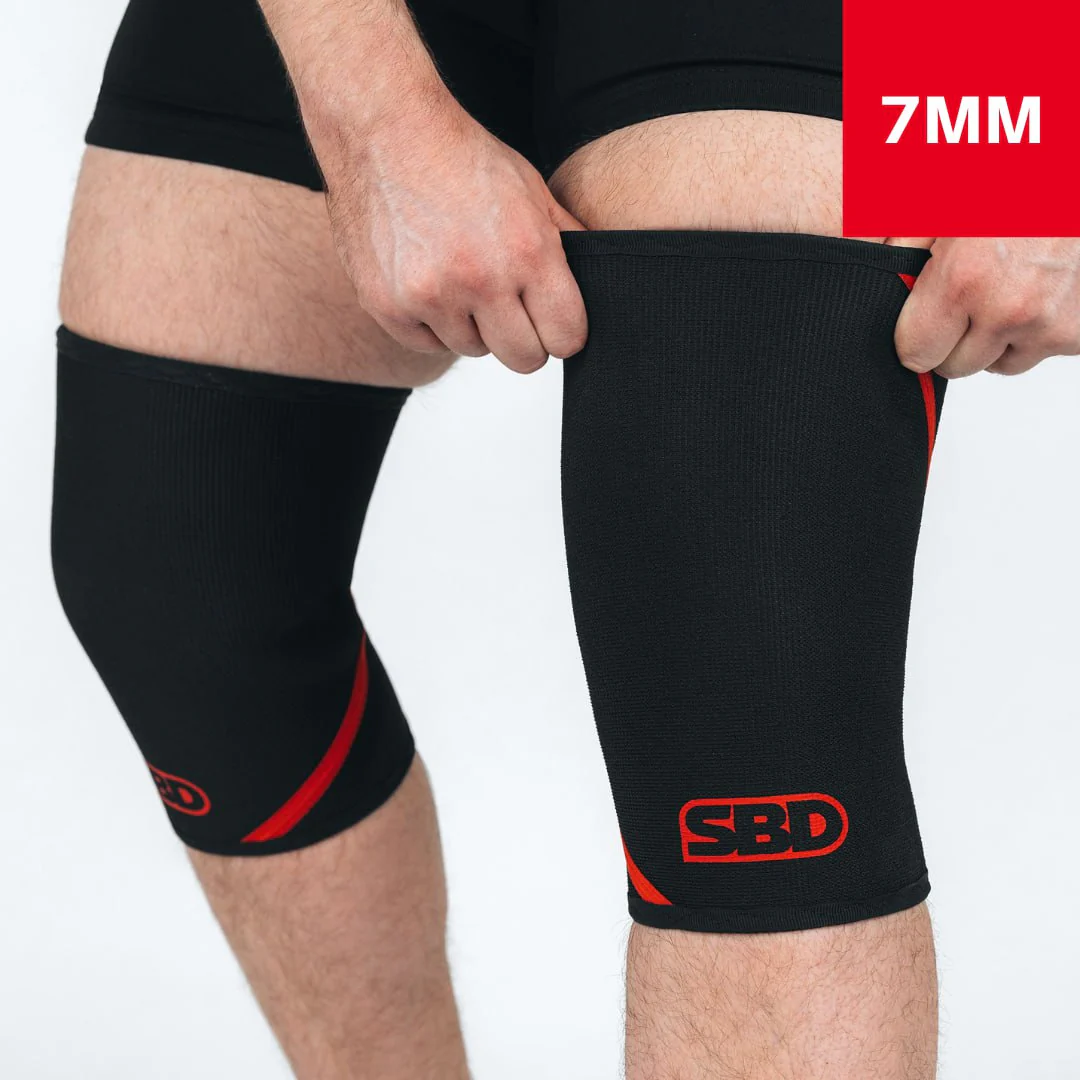
Knee Sleeves
Add warmth and a little support to the knees, plus a small rebound out of the bottom of the squat.
Check OutLearn the lifts
New to any of the movements in this program? Our lift guides break down technique, cues and the common mistakes to avoid.
 Iron Library