
What is Doggcrapp (DC) Training?
Doggcrapp - almost always shortened to DC - is a bodybuilding system created by Dante Trudel, who wrote it up on the bodybuilding forums of the early 2000s under the handle “DoggCrapp”. The name is deliberately unserious. The training is not: DC is built on very low volume and very high intensity, with one all-out working set per exercise taken past normal failure, on a schedule that hits every muscle roughly twice every eight days.
The premise is that a trained lifter needs only a small number of genuinely maximal sets to trigger growth, and that everything past that is recovery spent for nothing. What DC removes in volume it adds back in effort, frequency and record-keeping. It is one of the few programs where the logbook is not optional admin - the logbook is the progression model.
The rest-pause set
A DC working set is one set broken into three pieces. You take the weight to genuine failure, rack it, take 15–20 deep breaths, then pick it back up and grind out whatever you can - usually two to four reps. Rack it again, another 15–20 breaths, and take a third mini-set to failure. All three pieces count as a single set, and the combined rep total is the number you write down.
Targets are usually 11–15 total reps across the three pieces for most upper-body work, with higher targets on smaller or more fatigue-tolerant muscles. Not everything is rest-paused: quads are traditionally trained with one brutal straight set of 15–20 reps instead, and calves use an extreme-slow protocol with a 10–15 second loaded stretch held at the bottom of every rep.
Only exercises you can bail out of safely belong in a rest-pause set. Nobody takes a free-weight back squat to failure three times inside ninety seconds, which is why DC leans on machines, Smith machine presses, hammer strength work and cables for the movements that get rest-paused.
The split and the exercise rotation
DC runs a two-way or three-way split trained three days a week, so each workout comes around roughly twice every eight days rather than once every seven. The classic two-way version is chest, shoulders, triceps, back width and back thickness on one day, then biceps, forearms, calves, hamstrings and quads on the other. You alternate them: A, B, A one week; B, A, B the next.
Each bodypart gets exactly one exercise per session, and each slot holds a rotation of three movements you cycle through in order. If your chest slot is incline Smith press, hammer press and flat dumbbell press, you do incline this time, hammer next time, flat the time after, then back to incline. That means any given exercise comes up about every ten to twelve days, which is what lets a one-set-per-exercise program keep progressing for months.
Beat the logbook
There is no percentage chart in DC. Your target is written in your own logbook: the weight and total rest-pause reps you hit the last time this exercise came up. You beat it - by a rep, by 5 lb, by anything - or the session did not count. That is the entire progression model, and it is why DC lifters guard their logbooks so carefully.
When you stop beating an exercise, you do not grind away at it for weeks. You rotate it out of that slot, replace it with a different movement, and start a fresh record on the new one. Failing to beat the log is information, not a verdict on you - that movement has stopped paying and something else will.
The wider structure is blast and cruise, terminology borrowed from enhanced bodybuilding but useful to anyone. You blast for six to twelve weeks of full-effort DC training, then cruise for one to two weeks of light, easy work - a couple of straight sets kept well short of failure - before the next blast. Cruises are not optional. Single sets to true failure twice a week accumulate joint and nervous-system fatigue faster than most people expect.
Extreme stretching
After you finish training a bodypart, DC calls for a loaded stretch of that muscle held for 60–90 seconds: a deep dumbbell flye position for chest, a hanging stretch for lats, a loaded calf stretch off a block. It is done once, immediately after the work while the muscle is still pumped, and it is genuinely unpleasant.
Dante’s rationale was fascial stretching - the idea that expanding the connective tissue sheath around a muscle gives it more room to grow. That mechanism is not well supported by research, so treat the hypertrophy claim as unproven. What the stretches do reliably deliver is range of motion, which heavy-training bodybuilders are usually short on. Ease into them; sixty seconds of a deep loaded stretch is more than enough to strain something if you go in cold and heavy.
Who it’s for
DC is an advanced program and the label is not decoration. Taking one set to true failure and then twice past it assumes your technique is automatic, that you know the difference between failure and discomfort, and that you have the work capacity and recovery to absorb it. Most lifters who believe they train to failure are stopping two or three reps early, and on DC that gap is the whole program.
Skip it if you are a beginner or early intermediate - you will grow faster on more sets at lower effort, and you will build the base DC assumes you already have. Skip it if you train alone with free weights and no safeties, if you are in a steep calorie deficit, or if you are also running a demanding strength program. It also suits nobody who enjoys long sessions and high volume: DC workouts are short and horrible, by design.
Strengths & trade-offs
Strengths: extremely time-efficient - a DC session is often 45 minutes or less - with an unambiguous progression rule and a logbook that tells you exactly where you stand on every movement. Frequency is higher than a typical bodybuilding split, and the three-exercise rotation keeps the stimulus fresh without ever leaving you unsure of what you are chasing.
Trade-offs: the effort is the program, so it collapses the moment you soften your definition of failure. It leans heavily on machines and safe bail-outs, the extreme stretching rests on a shaky rationale, and the injury risk of repeated true-failure work is real if your form is not already solid. It is also a poor fit for anyone who cannot eat and sleep enough to back it up.
How to run it
Set your split first - two-way for most people - then pick three exercises for every bodypart slot, favouring movements you can take to failure safely: machines, Smith and cable work ahead of free-weight barbell lifts. Write those rotations into the spreadsheet below so you always know which movement is up next and what number you are trying to beat.
Start each new exercise conservatively: choose a weight that lands near the bottom of the target rep range, log it, and beat it next time. Keep the rest-pause breaths honest at 15–20 rather than letting them drift into a full minute, do the stretch, and eat like a bodybuilder - DC assumes a surplus and high protein. When an exercise stops moving, rotate it out. When the whole blast stops moving, cruise for a week or two and start the next one.
The spreadsheet
Browse the full program below, or open it in Google Sheets to make your own copy and plug in your numbers.
Spreadsheet via LiftVault. If the preview doesn’t load, use “Open in Google Sheets”.
Equipment
This is a barbell program - you don’t need much, but a few pieces make it run smoothly.

Lifting Belt
Gives your core something to brace against, adding stability and lower-back support on heavy squats and deadlifts.
Check Out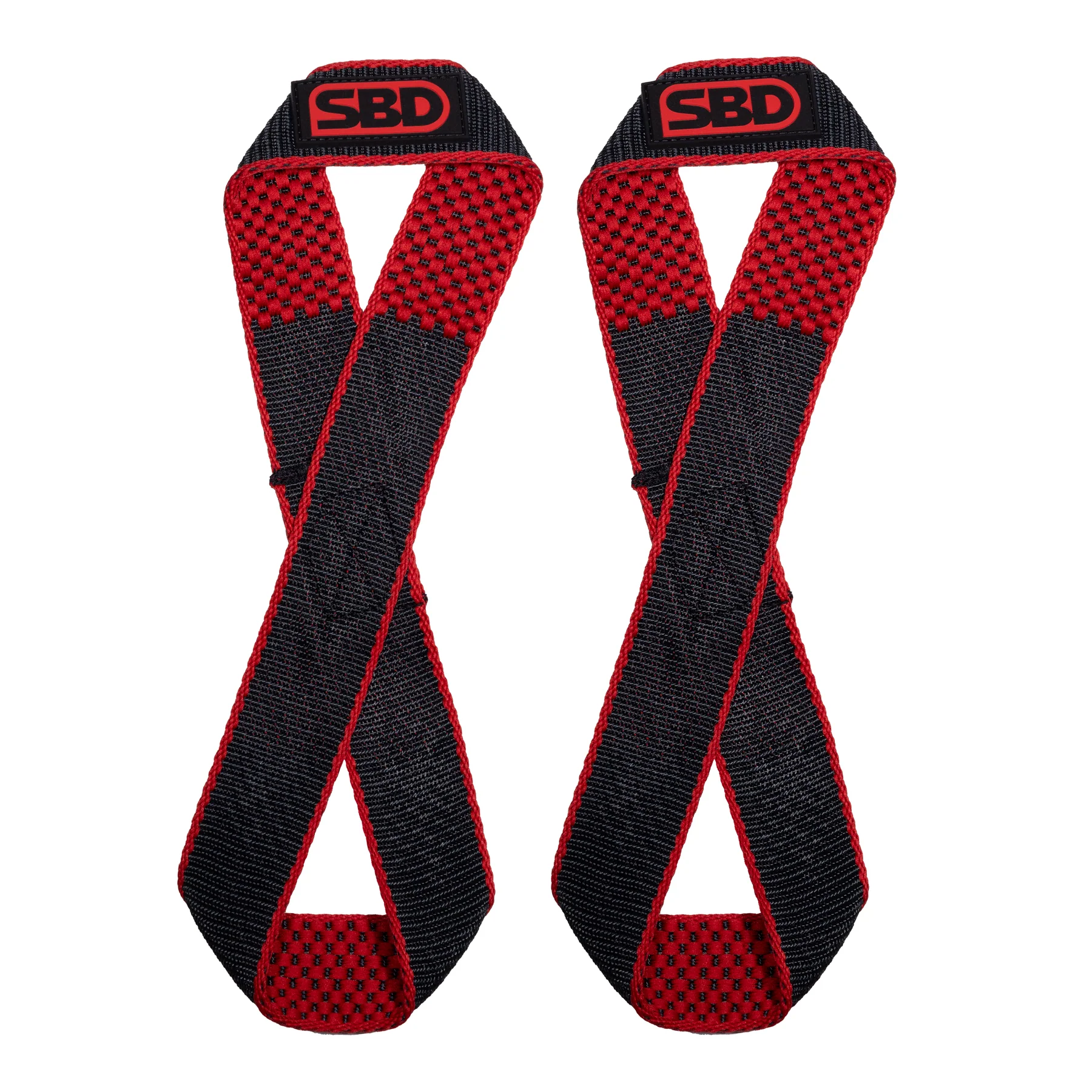
Lifting Straps
Secure your grip so heavy pulling and deadlift volume isn’t cut short by your hands giving out first.
Check Out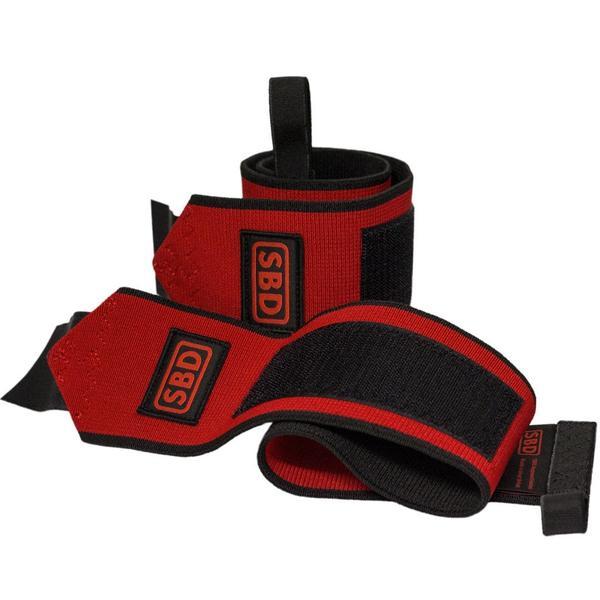
Wrist Wraps
Keep the wrist stacked under the bar on heavy bench and overhead pressing, so the joint doesn’t bend back under load.
Check OutLearn the lifts
New to any of the movements in this program? Our lift guides break down technique, cues and the common mistakes to avoid.
 Iron Library