
What is Deep Water?
Deep Water is a training program from Jon Andersen, a professional strongman and IFBB pro bodybuilder who spent his career in the corners of the sport where being tired is not treated as information. It comes out of his book of the same name, and the title is the idea: training out past the point where you can still touch the bottom.
It is built in three phases - Beginner, Intermediate and Advanced - and you are meant to earn your way up rather than pick whichever one sounds most impressive. What everyone knows it for is the 10 sets of 10, run with loads and rest periods that make the usual 10×10 protocols look like a warm-up.
The 10×10
The signature session is 10 sets of 10 reps on a main lift, and the load is the part people underestimate. German Volume Training uses roughly 60% of your max for its 10×10; Deep Water asks for something closer to what a normal program would put on the bar for sets of five. On paper it is 100 reps, but it is really a decision you have to make again on every set from about number six onward.
Rest is short and deliberately uncomfortable - you are running a timer, not waiting until you feel ready. The first three or four sets go up cleanly, sets five through seven become breathing management, and the last three are the actual program. Squat, bench and deadlift each get their own 10×10 day across the week, and the deadlift session is the one lifters remember.
The three phases
The Beginner phase runs six weeks and is not beginner in any ordinary sense of the word. It is the entry point to Deep Water, not the entry point to lifting, and for a lot of people it is the only phase they ever need to run.
Intermediate and Advanced stack on more training days, more conditioning and more total work over the same 10×10 core. The instruction is to complete a phase exactly as written - every set, every rep, at the prescribed rest - before you consider moving up. The most common way to fail Deep Water is skipping a rung on that ladder because the description of the Advanced phase read like a dare.
The eating requirement
You cannot run this on a normal diet. The volume is high, the sessions carry conditioning on top of the lifting, and the program is explicitly built around eating enough to recover from it. Andersen’s framing is that the food is part of the training, not a footnote to it.
If you are in a deficit, or if you eat like someone who is “generally pretty good about protein,” the 10×10 sets will come apart around week two and you will read that as a mental failure when it was a nutrition one. Sort the food out before week one, not after.
Who it’s for
Deep Water is for experienced lifters with a few years of consistent training behind them, technique that holds together when they are tired, and no injury they are currently managing. You should already be comfortable squatting, benching and deadlifting for reps, be eating in a surplus, and have six weeks where nothing else is competing for your recovery.
It is the wrong program for beginners, for anyone cutting, for lifters returning from a layoff or a tweaked back, and for anyone without honest access to enough food and sleep. The mental-toughness framing is the specific risk: it encourages people to override signals they should be listening to, and set eight of a heavy 10×10 is a bad place to discover that your bracing degrades under fatigue. If you have never completed a genuinely hard high-volume block, run a GVT or Boring But Big cycle first and see how you handle it.
Strengths & trade-offs
Strengths: it builds work capacity, muscle and a fairly rare kind of confidence in a short window. The structure is simple, the standard is unambiguous, and finishing a phase as written genuinely resets what you consider a hard session afterwards.
Trade-offs: high fatigue, real injury risk when form slips late in a set, and top-end strength often dips during the block. It also demands a lifestyle that fits it - the training is only half the requirement - and the toughness marketing reliably pushes people to start too heavy and too far up the ladder.
How to run it
Start with the Beginner phase, and set your 10×10 weights from an honest current max rather than an aspirational one. Week one is supposed to feel too easy; that is the correct feeling, and ignoring it is the classic mistake. Set a rest timer and obey it, because drifting into long rests quietly turns this into ordinary volume work.
If a set breaks down before ten reps, finish the session with the weight you have rather than abandoning the day, and hold the load flat next week instead of raising it. Eat and sleep like they are prescribed, complete the six weeks, then take a light week before deciding whether you have earned the Intermediate phase.
The spreadsheet
Browse the full program below, or open it in Google Sheets to make your own copy and plug in your numbers.
Spreadsheet via LiftVault. If the preview doesn’t load, use “Open in Google Sheets”.
Equipment
This is a barbell program - you don’t need much, but a few pieces make it run smoothly.

Lifting Belt
Gives your core something to brace against, adding stability and lower-back support on heavy squats and deadlifts.
Check Out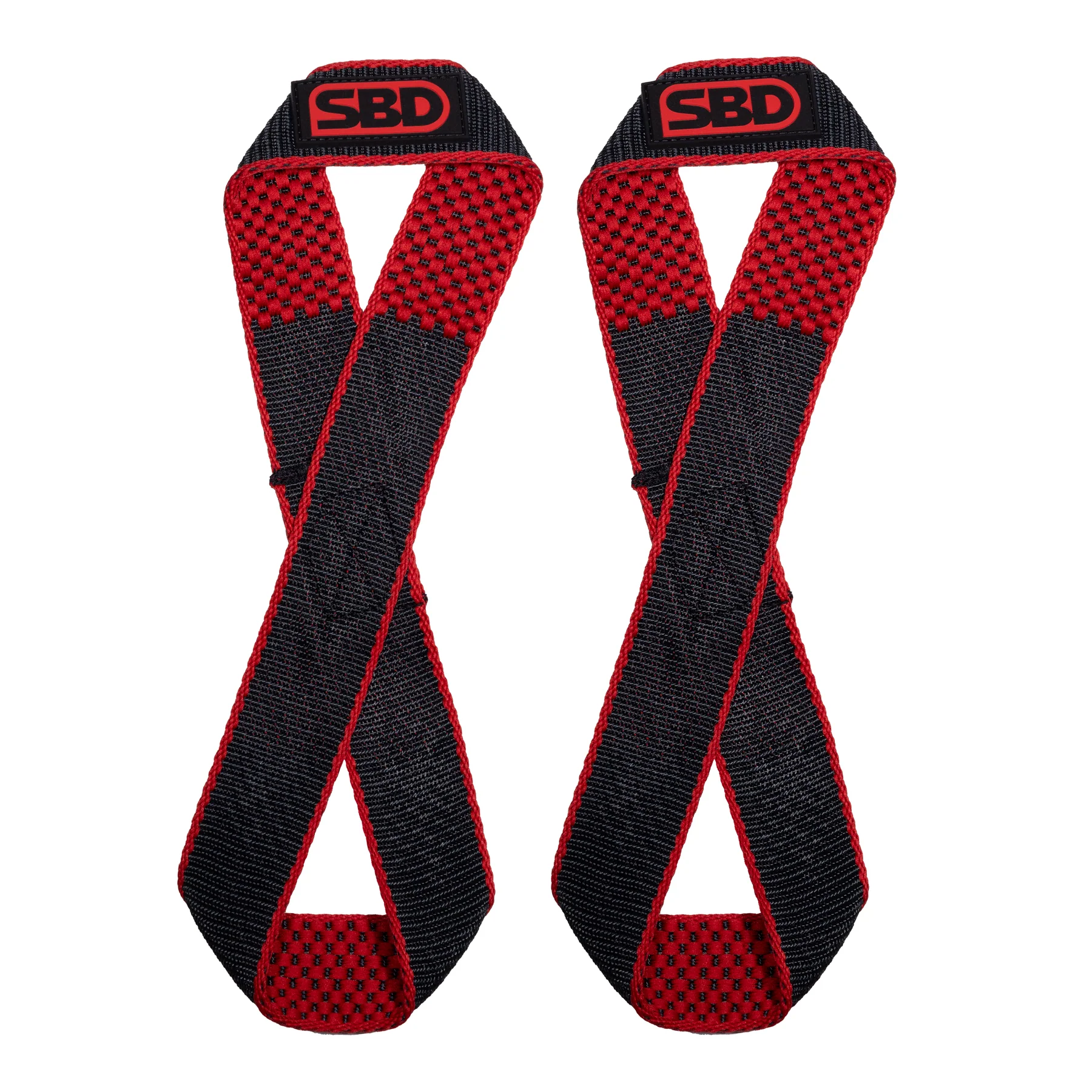
Lifting Straps
Secure your grip so heavy pulling and deadlift volume isn’t cut short by your hands giving out first.
Check Out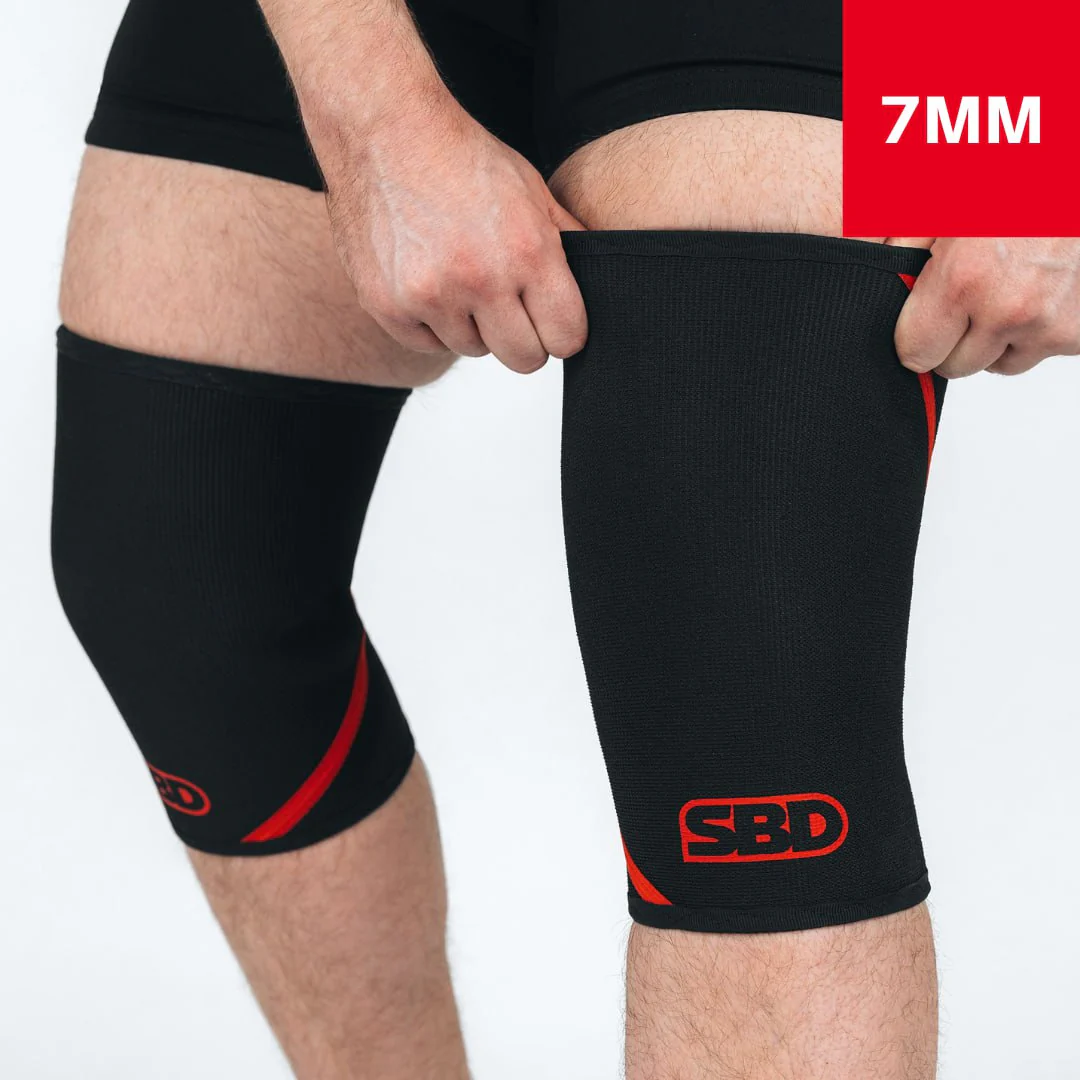
Knee Sleeves
Add warmth and a little support to the knees, plus a small rebound out of the bottom of the squat.
Check OutLearn the lifts
New to any of the movements in this program? Our lift guides break down technique, cues and the common mistakes to avoid.
 Iron Library