What is the Cube Method?
The Cube Method is Brandon Lilly’s powerlifting program, published in 2012 after a career that ran through Westside Barbell and produced elite totals both raw and in gear. It is conjugate-flavoured, but it was written as a correction to how conjugate training was being applied by raw lifters.
The name is the structure: three lifts, three qualities, rotating so that each lift meets each quality over a three-week cycle. Rather than chasing a maximum on something every week, you spend one week going heavy, one week moving weight fast, and one week doing rep work on each of the squat, bench and deadlift.
The three-week rotation
Each week, every competition lift is assigned exactly one of the three qualities, and the assignments rotate. Week one might be a heavy squat, an explosive bench and a rep-focused deadlift; week two shifts each lift one slot along; week three shifts again, so that after three weeks every lift has had all three treatments. Then the rotation repeats at higher percentages.
The practical effect is that you are never trying to peak everything at once. On any given week, two of your three main sessions are submaximal by design, which is what keeps the heavy day survivable and keeps you off the sharp end of a max attempt week after week.
Heavy, explosive and rep days
The heavy day is the one that looks like powerlifting: ramp up in singles and triples and work to a top set in roughly the 85–95% region, usually a low-rep set rather than a true one-rep max attempt. Crucially it is on the competition lift itself, not on a variation of it.
The explosive day is dynamic-effort work in the Westside sense - many low-rep sets down around 50–60%, moved with genuine speed and clean technique, on short rests. The rep day is the closest the program gets to bodybuilding: moderate load in the 60–75% range for sets of five to ten, building the muscle the other two days spend. A fourth training day is a dedicated accessory session with no percentages attached to it.
The 10-week cycle
The full program is laid out as ten weeks: three three-week rotations with intensity climbing each time, then a final week where volume falls away and you test or compete. Because every lift has passed through all three qualities three times, you reach that week having practised heavy singles, bar speed and volume on the actual competition lifts.
That peak is the reason to run the whole thing rather than picking out the parts you enjoy. The rotation only pays off if it completes.
Cube vs Westside, 5/3/1 and Juggernaut
Lilly’s central argument was that classic Westside conjugate assumes gear and a rotating cast of max-effort variations - good mornings, board presses, rack pulls - and that a raw lifter who rarely practises the competition lifts under a heavy bar turns up to a meet missing the skill. The Cube keeps conjugate’s idea of training separate qualities and puts them back onto the squat, bench and deadlift themselves.
Set against the other programs here: 5/3/1 gives each lift one submaximal wave per week and is built to run for years, while the Juggernaut Method moves every lift through the same rep wave together across sixteen weeks. The Cube is shorter, changes character week to week, and points at a specific date on the calendar.
Who it’s for
The Cube suits intermediate to advanced powerlifters who compete or intend to, who have a decent library of accessory work to draw on, and who can train four days a week for ten weeks. You need enough technical control for the speed day to actually be fast rather than merely light.
It is a poor fit for beginners, who will get more from a linear progression, and for lifters with no particular interest in the three competition lifts. It also expects you to fill in some of your own accessory choices, so if you would rather have every set dictated, a fully prescribed template like Calgary Barbell or Sheiko will suit you better.
Strengths & trade-offs
Strengths: it trains all three qualities without the burnout of maxing every week, it keeps you on the competition lifts rather than endless variations, and the weekly change of character stops a ten-week block going stale. The heavy days stay heavy precisely because two thirds of your week is not.
Trade-offs: the rotation takes a cycle or two to feel natural, the speed day is easy to do badly (light weight moved lazily is just a warm-up), and the accessory work is less prescribed than in some programs. It is also built around a peak, so it is not something to run back to back indefinitely.
How to run it
Enter current, honest maxes into the spreadsheet and start the rotation at week one rather than jumping straight to the heavy week for your favourite lift. Fill the accessory day with work that addresses your real weak points - upper back and triceps for most benchers, hamstrings and upper back for most pullers.
Treat the explosive day as technical practice: if the bar is not visibly moving fast, the weight is too heavy for the purpose it is serving. Run the ten weeks through to the peak, test or compete, then take a light week before starting the next cycle with updated numbers.
The spreadsheet
Browse the full program below, or open it in Google Sheets to make your own copy and plug in your numbers.
Spreadsheet via LiftVault. If the preview doesn’t load, use “Open in Google Sheets”.
Equipment
This is a barbell program - you don’t need much, but a few pieces make it run smoothly.
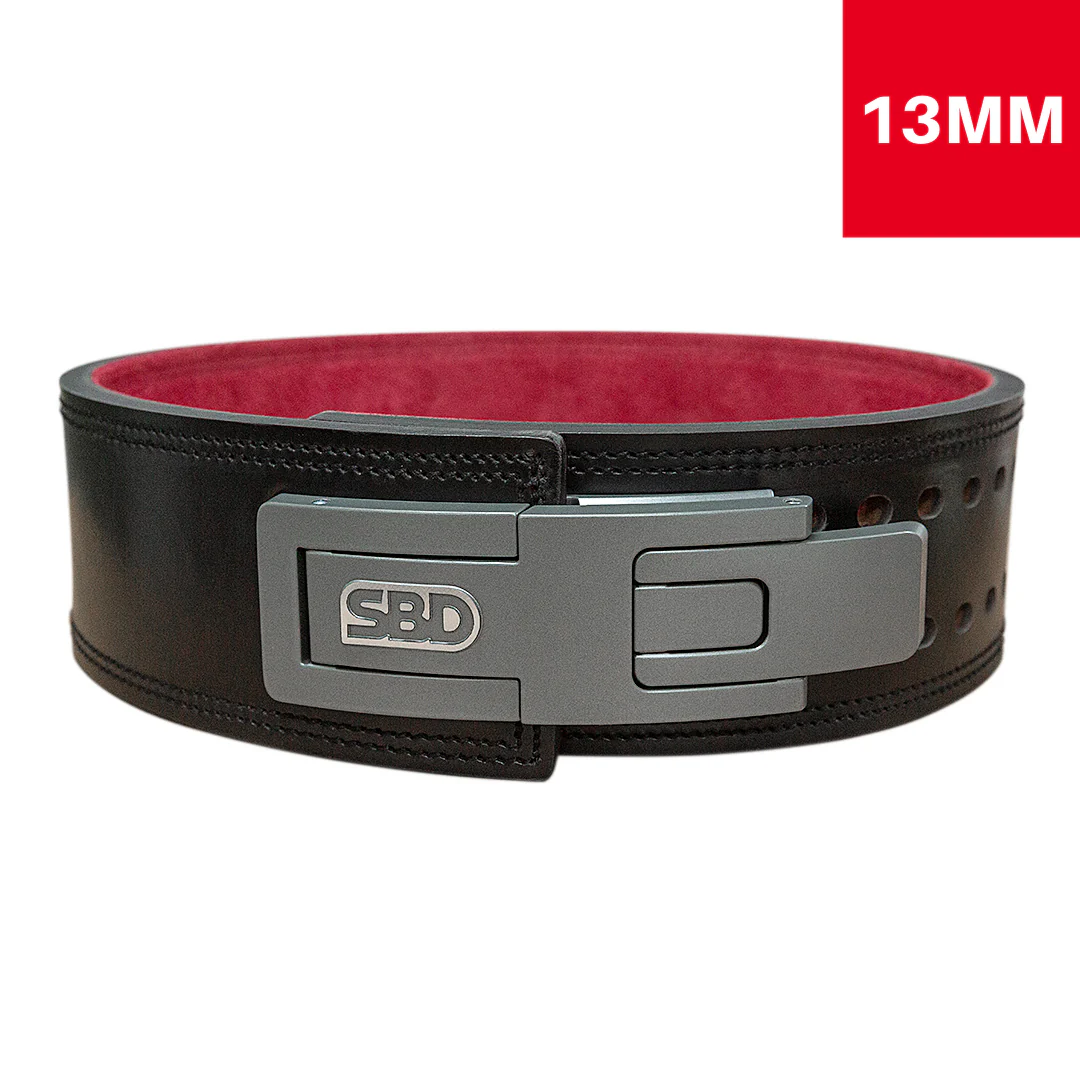
Lifting Belt
Gives your core something to brace against, adding stability and lower-back support on heavy squats and deadlifts.
Check Out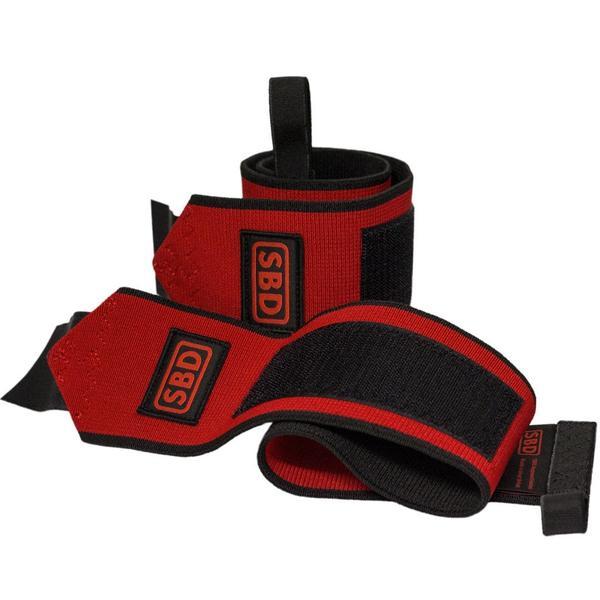
Wrist Wraps
Keep the wrist stacked under the bar on heavy bench and overhead pressing, so the joint doesn’t bend back under load.
Check Out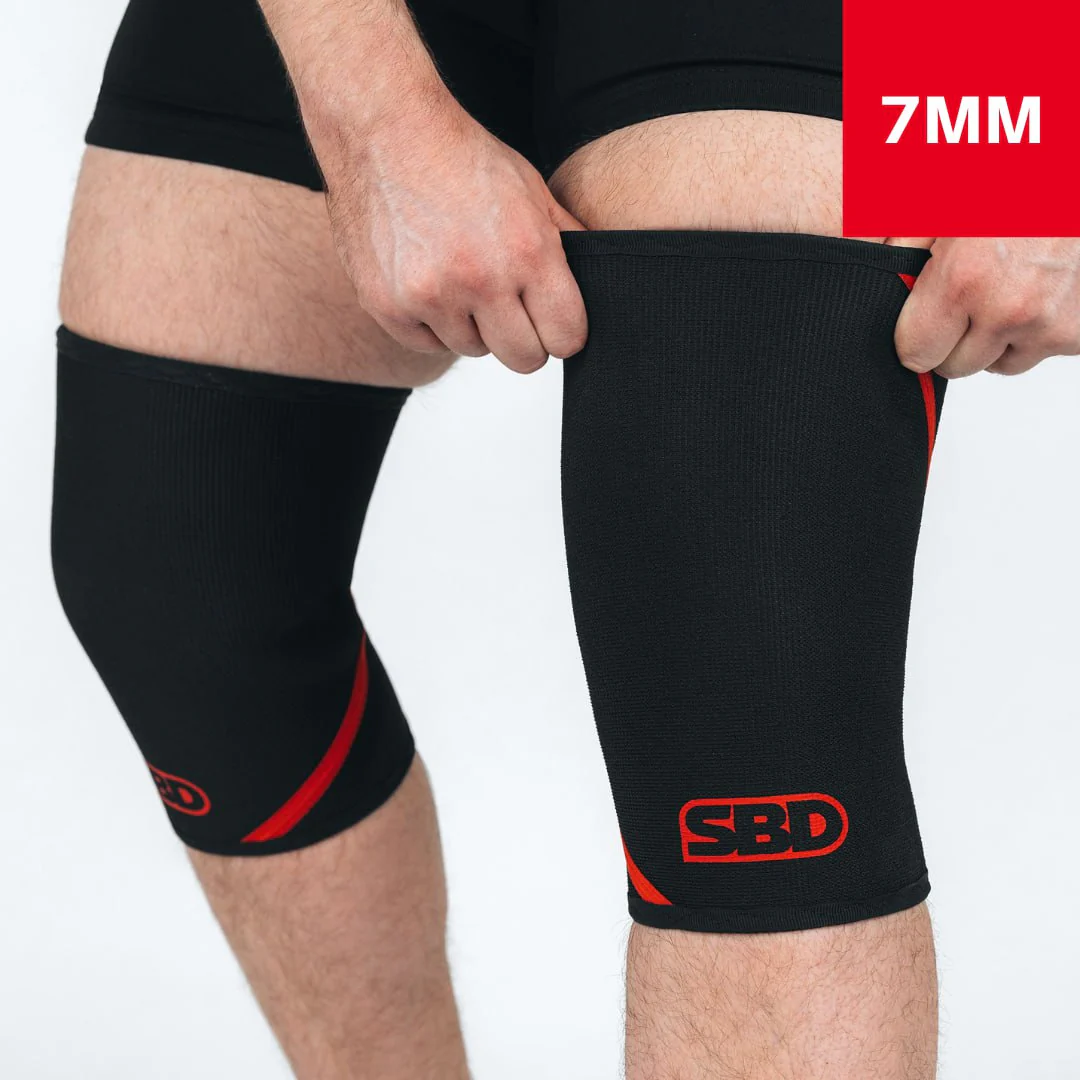
Knee Sleeves
Add warmth and a little support to the knees, plus a small rebound out of the bottom of the squat.
Check Out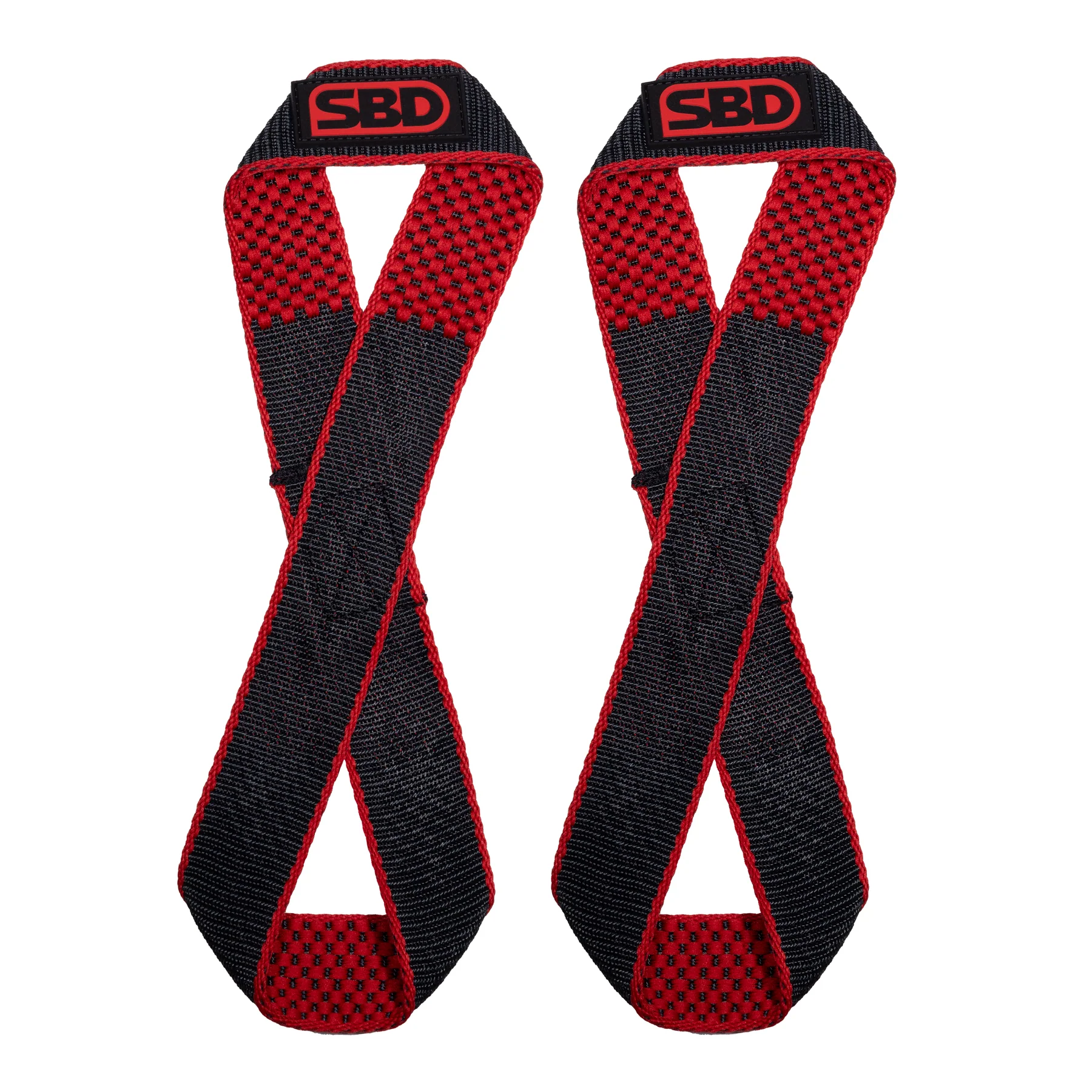
Lifting Straps
Secure your grip so heavy pulling and deadlift volume isn’t cut short by your hands giving out first.
Check OutLearn the lifts
New to any of the movements in this program? Our lift guides break down technique, cues and the common mistakes to avoid.
 Iron Library