What is the Coolcicada PPL?
Coolcicada PPL is a six-day push/pull/legs routine that spread through bodybuilding forums and Reddit and became one of the standard answers to "what should I run after my beginner program?". It is a hypertrophy routine first and foremost - the goal is muscle, and everything about the layout serves that.
The structure is the classic one: a push day of chest, shoulders and triceps; a pull day of back and biceps; and a leg day - run twice over six days so every muscle group is trained twice a week.
How it works
Each session opens with a heavy compound - a press, a row or a squat - in a lower rep range, then works outward through dumbbell, machine and cable work in the 8-12 and 12-15 ranges. That ordering means the movements that build the most muscle get your best effort.
Loading is straightforward: straight sets with prescribed rep ranges, and you add weight when you hit the top of the range across all sets. There is no percentage table and no RPE system to learn, which is a large part of why beginners get on with it.
How it compares to the Reddit PPL
The Reddit PPL is built on a strength skeleton - 5/3/1-style main work with bodybuilding accessories bolted on - so it drives the barbell lifts harder. Coolcicada leans further toward pure bodybuilding, with more isolation work and less emphasis on grinding heavy barbell singles.
If your priority is a bigger squat, bench and deadlift, run the Reddit PPL. If your priority is size and you are happy for the barbell numbers to come along for the ride, Coolcicada is the more direct route.
Who it’s for
This suits late beginners and intermediates whose main goal is muscle, who can train six days a week, and who want a program they can follow without learning a periodization system first.
It is a poor fit for anyone who can only train three or four days - the volume is distributed across six sessions and does not compress well - and for lifters whose main goal is a competitive total.
Strengths & trade-offs
Strengths: simple to follow, high frequency per muscle, plenty of direct arm and shoulder work, and sessions that stay a sensible length because the volume is spread across six days rather than crammed into four.
Trade-offs: six days a week is a big commitment, there is no built-in deload, and progression is entirely on you - the program tells you what to do but not when to back off.
How to run it
Open the spreadsheet below and log every session. The double progression - add reps until you reach the top of the range, then add weight and drop back to the bottom - only works if you know what you did last time.
Schedule a deload roughly every sixth to eighth week even though the program does not include one, and if six days genuinely will not fit your week, run a four-day upper/lower instead rather than skipping sessions at random.
The spreadsheet
Browse the full program below, or open it in Google Sheets to make your own copy and plug in your numbers.
Spreadsheet via LiftVault. If the preview doesn’t load, use “Open in Google Sheets”.
Equipment
This is a barbell program - you don’t need much, but a few pieces make it run smoothly.
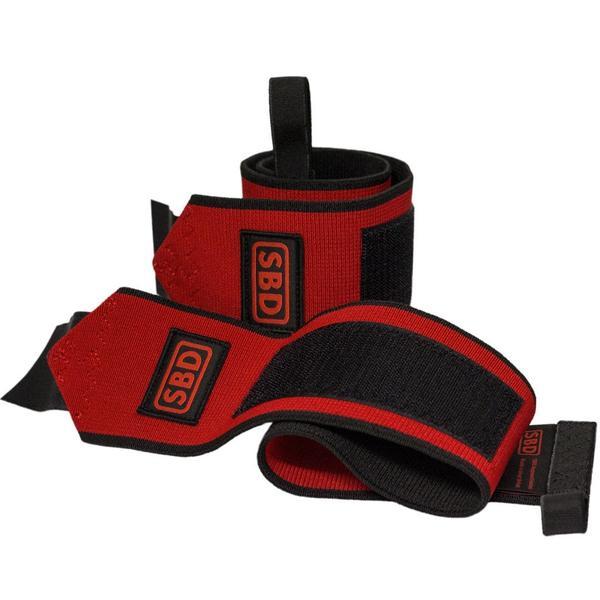
Wrist Wraps
Keep the wrist stacked under the bar on heavy bench and overhead pressing, so the joint doesn’t bend back under load.
Check Out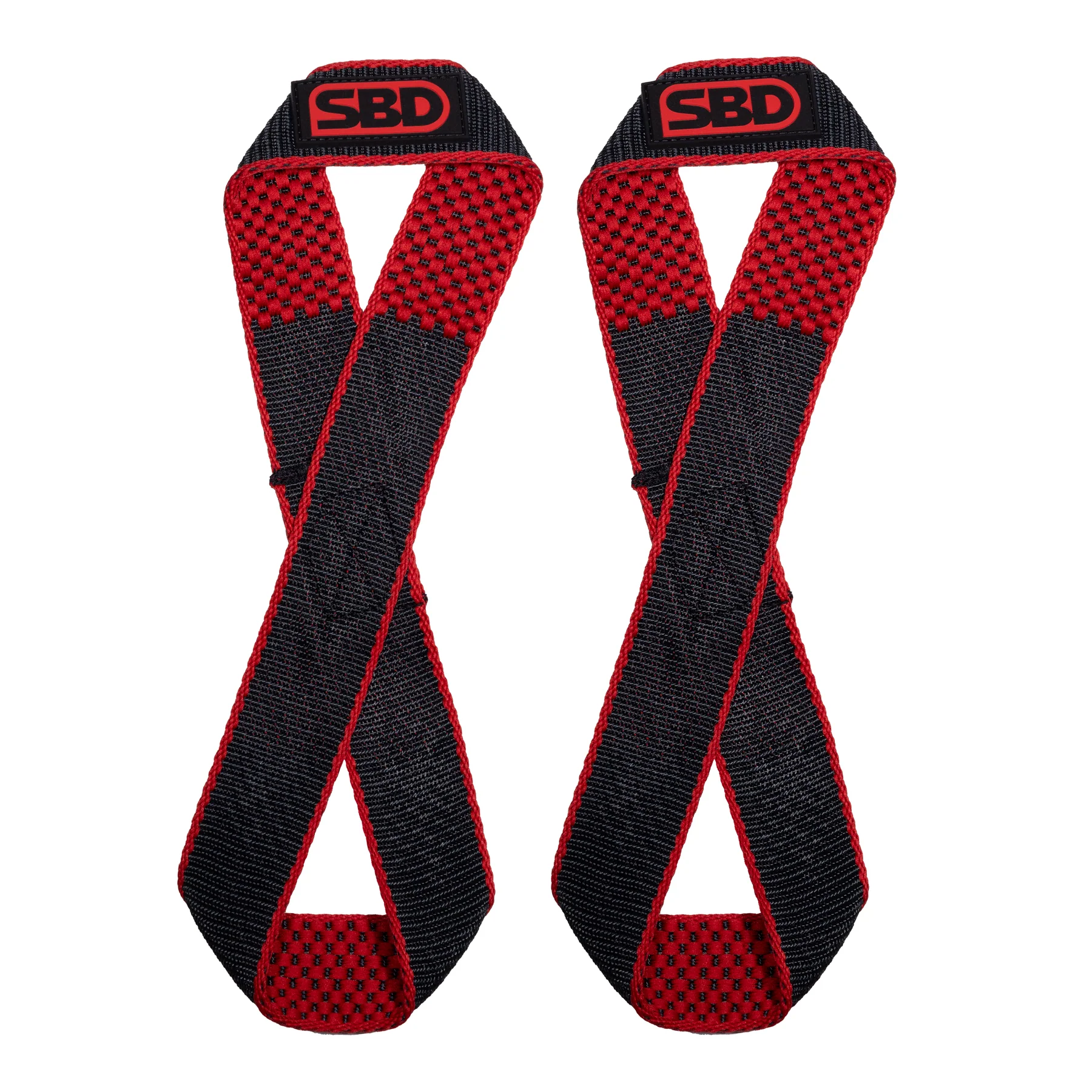
Lifting Straps
Secure your grip so heavy pulling and deadlift volume isn’t cut short by your hands giving out first.
Check Out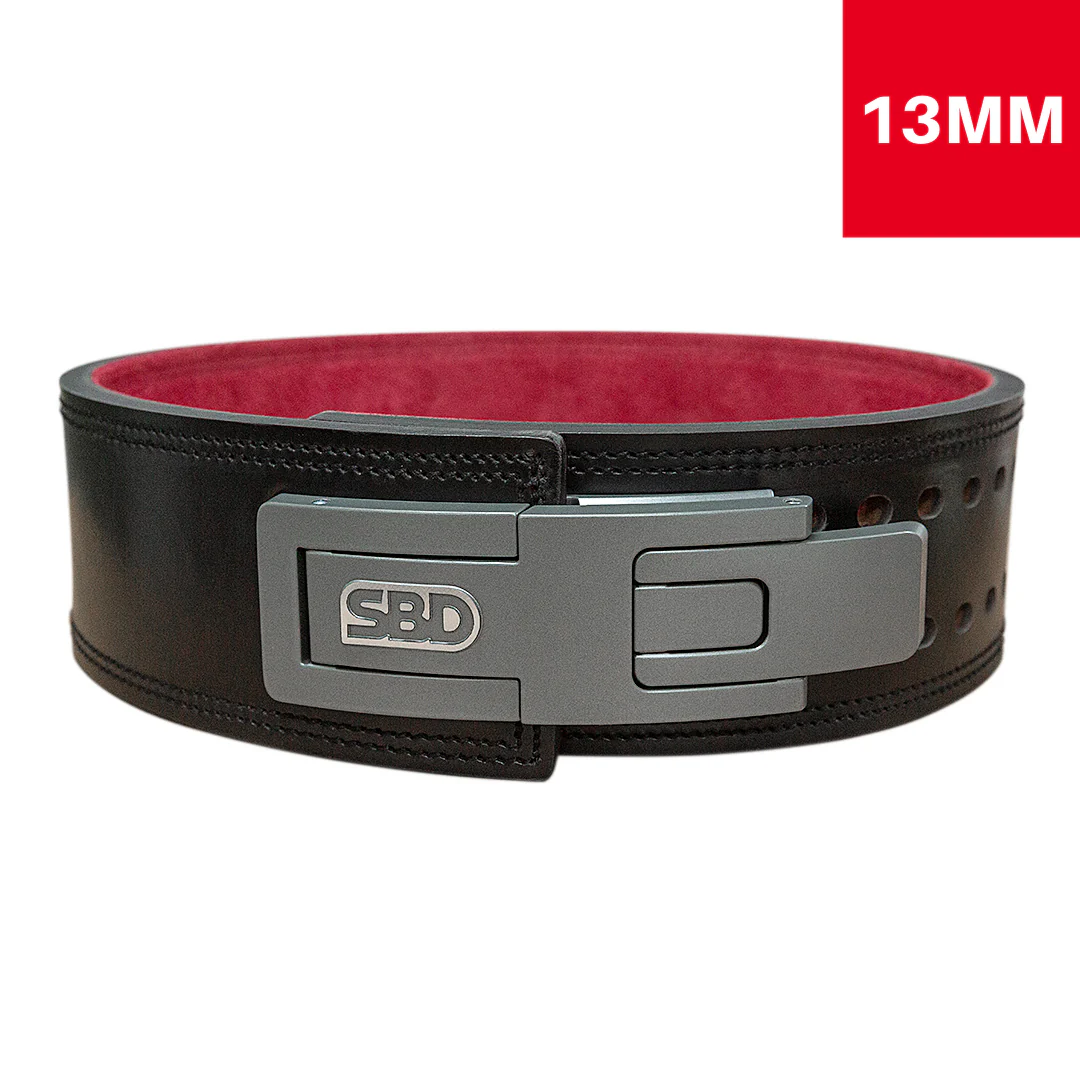
Lifting Belt
Gives your core something to brace against, adding stability and lower-back support on heavy squats and deadlifts.
Check OutLearn the lifts
New to any of the movements in this program? Our lift guides break down technique, cues and the common mistakes to avoid.
 Iron Library