What is EPIC?
EPIC is a free follow-along training program from Caroline Girvan, built to be run at home with dumbbells. EPIC II follows on from EPIC I as a progression, and between them they have become two of the most-completed home training programs anywhere.
What separates them from most home workout content is that they are actually programmed. Sessions are split by body part, loads are meant to increase over the program, and the structure builds rather than simply producing a different way to sweat each day.
How it works
The week is split across body parts - lower body, upper body, and full-body or conditioning sessions - across five training days, so each area gets focused work and adequate recovery. Sessions typically run in the thirty-to-fifty minute range and are performed alongside the video.
Within a session the work is organised into timed or rep-based blocks with defined rest, moving from compound movements into targeted isolation work. EPIC II raises the demand on EPIC I with heavier loading, harder variations and more challenging session structures.
Equipment and progression
The equipment requirement is modest - a pair of dumbbells, ideally a few pairs across a range of weights, and a mat. That accessibility is most of why the program spread: no gym membership, no barbell, no excuses about the commute.
Progression is the part people skip. Because the videos stay the same, it is easy to run the whole program with the same dumbbells you started with and then wonder why results stopped. The spreadsheet below exists to fix exactly that: track the weight used on each movement and push it up whenever a session stops being hard.
Who it’s for
EPIC suits people training at home who want structure rather than random workouts - beginners building the habit, and intermediates keeping training going through a stretch without gym access. The follow-along format removes the decision-making that stops a lot of people from training at all.
It is not a strength program. If your goal is a heavier squat, bench and deadlift, you need a barbell and a barbell program - EPIC builds muscle, conditioning and consistency, which is a different and perfectly worthwhile job.
Strengths & trade-offs
Strengths: free, minimal equipment, genuinely well-structured, easy to adhere to, and paced by a coach on screen so you do not have to manage rest periods or decide what comes next.
Trade-offs: dumbbell loading has a ceiling, so strong lifters will outgrow it; the follow-along format fixes the pace rather than letting you set it; and progression needs you to actively add weight rather than just pressing play.
How to run it
Get hold of more than one pair of dumbbells if you possibly can - a light, medium and heavy pair covers almost everything, and adjustable dumbbells solve the problem outright. Training every session with the only pair you own is the main reason home programs stall.
Use the spreadsheet below to log the weight for each movement. Run EPIC I through to the end before starting EPIC II, and when both are done either repeat with heavier loads or move to a barbell program if strength has become the goal.
The spreadsheet
Browse the full program below, or open it in Google Sheets to make your own copy and plug in your numbers.
Spreadsheet via LiftVault. If the preview doesn’t load, use “Open in Google Sheets”.
Equipment
This is a barbell program - you don’t need much, but a few pieces make it run smoothly.
Any brand works
Adjustable dumbbells, or a light/medium/heavy set of fixed pairs. Having more than one weight available is what lets the program keep progressing.
Any brand works
An exercise mat. A lot of the lower-body and core work happens on the floor, and a hard surface will end a session early.
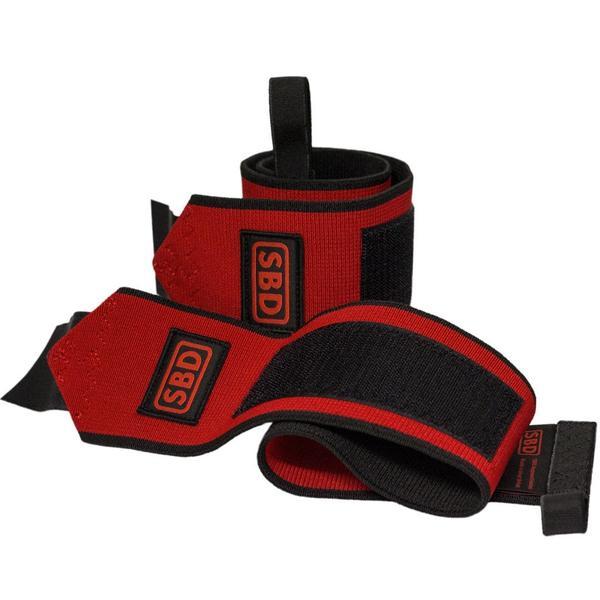
Wrist Wraps
Keep the wrist stacked under the bar on heavy bench and overhead pressing, so the joint doesn’t bend back under load.
Check OutLearn the lifts
New to any of the movements in this program? Our lift guides break down technique, cues and the common mistakes to avoid.
 Iron Library