What is the Candito advanced squat program?
Jonnie Candito’s advanced squat program is a nine-week specialisation block for lifters whose squat has stopped moving on general programming. It shares the design philosophy of his well-known 6 week program - clearly separated phases, each with a distinct job - but points all of it at one lift.
Candito built a following by giving away programs of genuine quality, and this one is a good example: the structure is transparent enough that you understand why each phase exists rather than just following numbers.
How it works
The nine weeks are divided into phases rather than run as one continuous progression. Early phases carry the most volume at moderate intensity - the work that actually drives adaptation - and include hypertrophy and technical work around the squat itself.
Later phases cut volume and raise intensity, converting that base into top-end strength, before a short taper leaves you fresh for a test or a meet. Loading uses percentages of your max with RPE guidance on the harder work, so bad days do not force you to grind a prescribed number.
Running a specialisation block
Specialising means accepting a trade. Your squat gets priority, your recovery goes toward it, and your bench and deadlift run at maintenance - enough to hold position, not enough to progress. Trying to push all three during a specialisation block is the most common way lifters get nothing out of one.
Because of that cost, specialisation blocks are periodic tools. Run one when a lift has genuinely stalled while the others keep moving, not as a default way of training year-round.
Who it’s for
This is for intermediate and advanced lifters with a stalled squat, sound technique, and nine weeks to give it. Healthy knees, hips and lower back are a prerequisite - this is a lot of squatting.
Beginners should not be here; novices should be adding weight to the bar on a simple linear progression, where the squat will climb faster than any specialisation block could manage. It is also the wrong choice if your deadlift is the lift that actually needs the attention.
Strengths & trade-offs
Strengths: a clear phase structure with an obvious logic, sensible blending of percentages and RPE, a defined nine-week window, and a peak at the end that gives the block a payoff.
Trade-offs: your other lifts sit at maintenance for two months, the squat volume is demanding on recovery, and it requires an accurate max to set the percentages from.
How to run it
Enter a max you have actually hit recently. Run bench and deadlift at genuine maintenance - roughly enough to hold your position and no more - so the recovery goes where the block needs it.
Open the spreadsheet below for the full nine weeks. Do not skip the volume phases to get to the heavy work; the peak only delivers if the base underneath it was built. Test at the end, then take a lighter week before your next block.
The spreadsheet
Browse the full program below, or open it in Google Sheets to make your own copy and plug in your numbers.
Spreadsheet via LiftVault. If the preview doesn’t load, use “Open in Google Sheets”.
Equipment
This is a barbell program - you don’t need much, but a few pieces make it run smoothly.
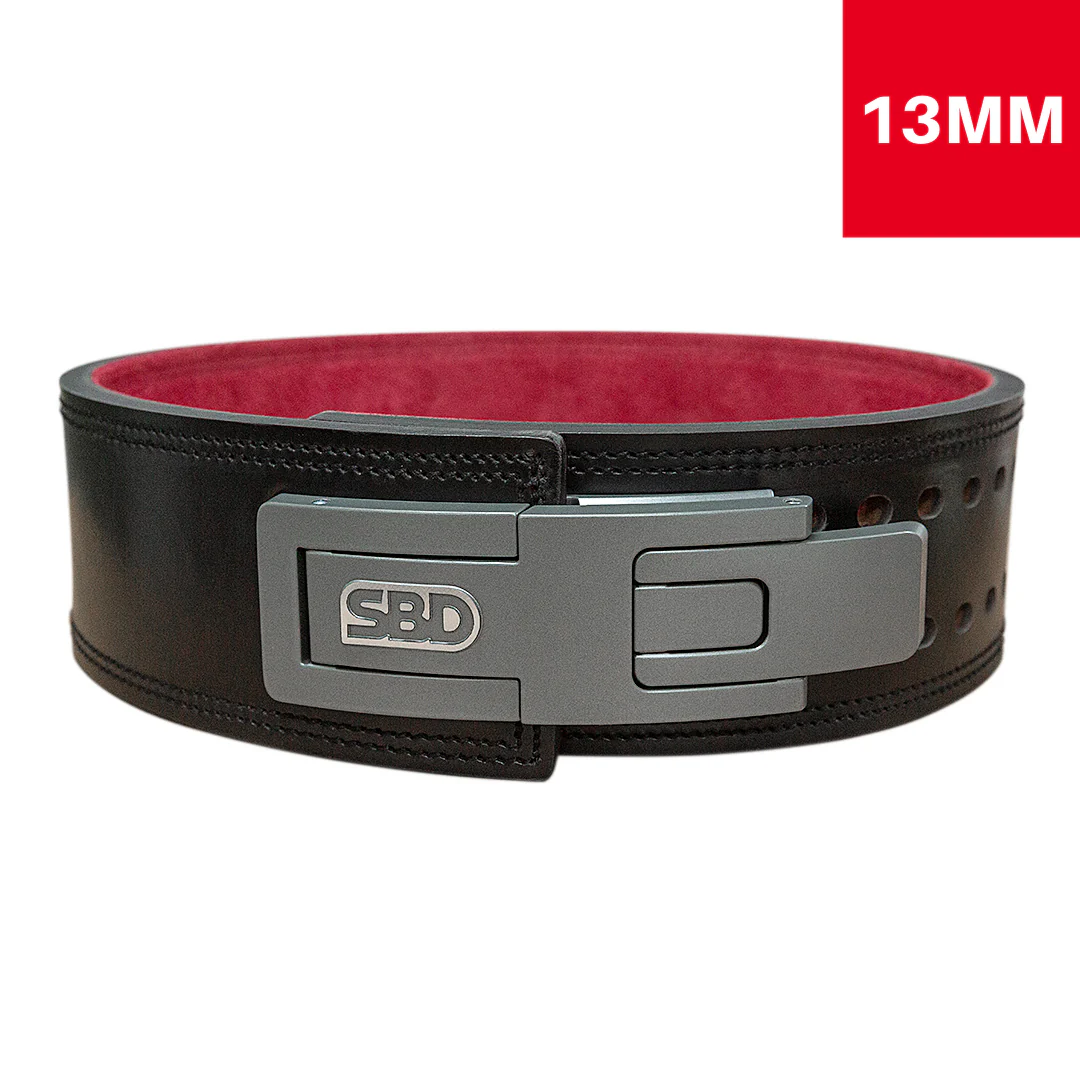
Lifting Belt
Gives your core something to brace against, adding stability and lower-back support on heavy squats and deadlifts.
Check Out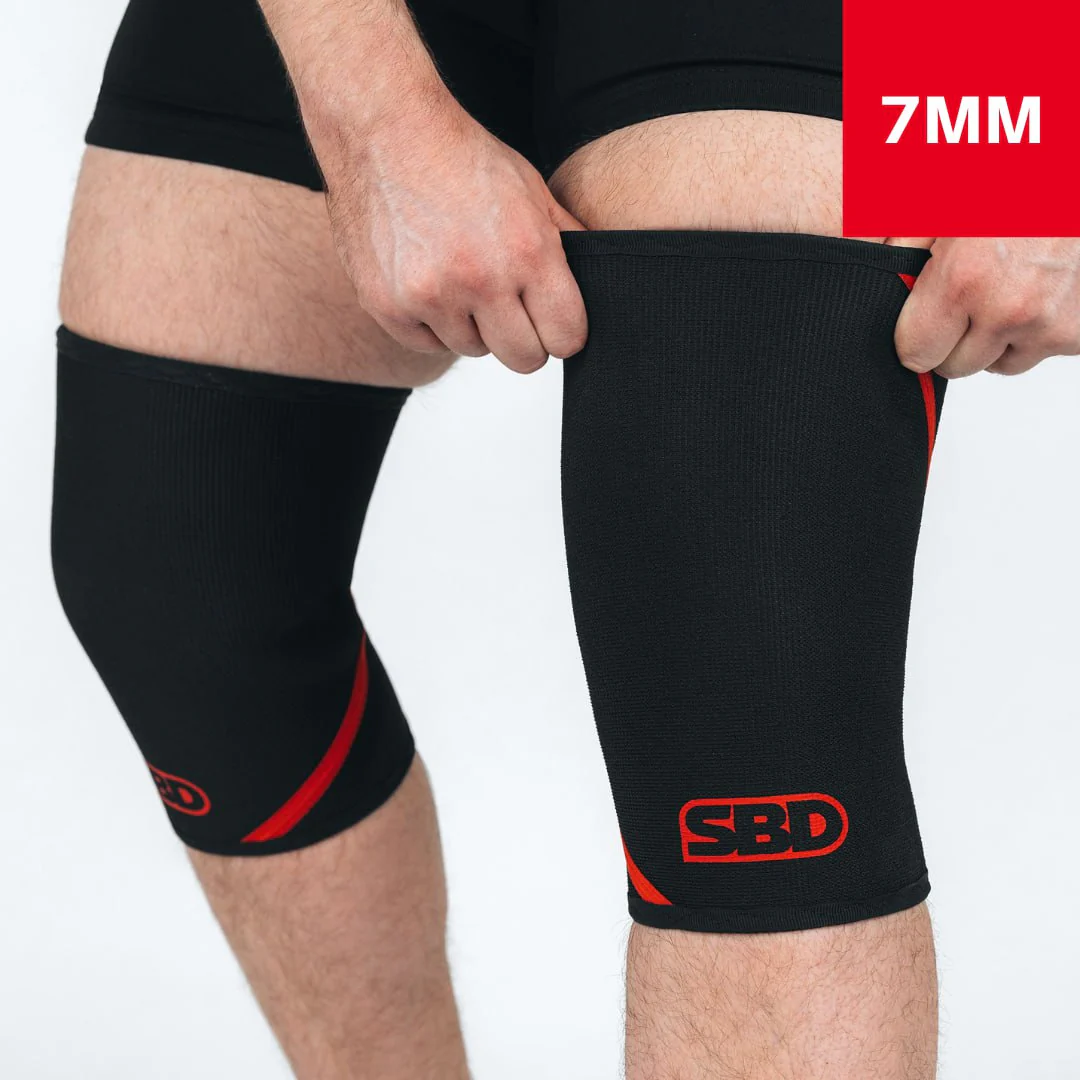
Knee Sleeves
Add warmth and a little support to the knees, plus a small rebound out of the bottom of the squat.
Check Out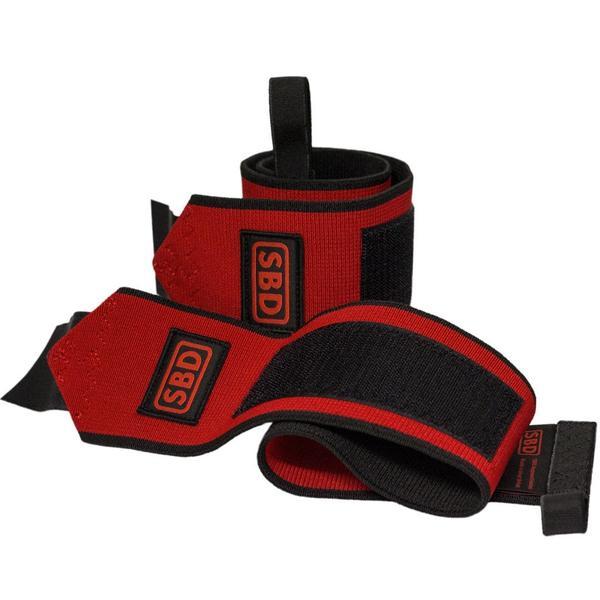
Wrist Wraps
Keep the wrist stacked under the bar on heavy bench and overhead pressing, so the joint doesn’t bend back under load.
Check Out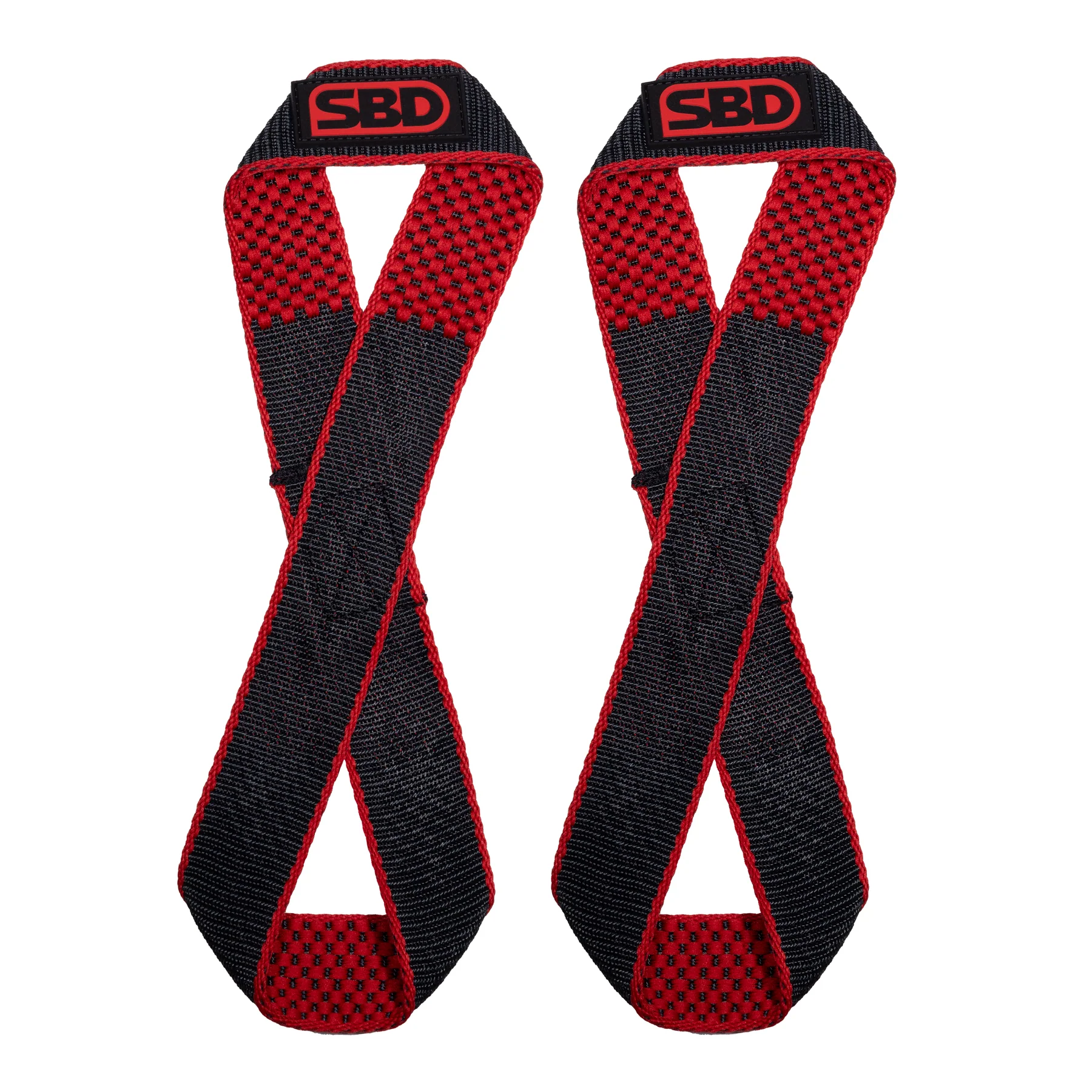
Lifting Straps
Secure your grip so heavy pulling and deadlift volume isn’t cut short by your hands giving out first.
Check OutLearn the lifts
New to any of the movements in this program? Our lift guides break down technique, cues and the common mistakes to avoid.
 Iron Library