What is the Candito 6 Week program?
The Candito 6 Week Strength Program is a free powerlifting cycle from Jonnie Candito, and one of the most downloaded strength spreadsheets ever shared. It compresses a full training arc - volume, strength, peak, test - into six weeks, which is a big part of its appeal: you are never more than a few weeks from seeing whether it worked.
It covers the squat, bench and deadlift with optional accessory slots, and it is designed to be run back to back: test, recover, reload the sheet with your new maxes, and go again.
The phases
Weeks 1–2 are muscular conditioning: higher-rep, higher-volume work that builds the base and gets you fit enough to benefit from what follows. Weeks 3–4 shift to strength - the reps drop, the percentages climb, and the focus narrows onto the competition lifts.
Week 5 is heavy acclimation: low-volume doubles and triples near your max that teach your body to handle top-end weights without burying you in fatigue. Week 6 is the payoff - a deload into testing new one-rep maxes (or simply a light week, if you would rather bank the progress and roll into the next cycle).
Built-in flexibility
For a percentage-based program, it is refreshingly adaptable. The spreadsheet includes optional exercise slots so you can bias it toward your weak points, and Candito provides guidance for adjusting the loading if the prescribed jumps feel too aggressive or too easy on a given lift.
Because the cycle is short, mistakes are cheap: if you seeded it with the wrong maxes, you find out within six weeks and correct on the next run - a much faster feedback loop than a 16-week block.
Who it’s for
It is aimed at intermediate lifters who want structured, periodized training without committing to a long block - and it doubles as a compact meet-prep cycle, since the final weeks are effectively a peak. Lifters who thrive on frequent testing and visible milestones love it.
True beginners should stay on linear progression (the volume here is organized around percentages of a max they have not established yet), and very advanced lifters may find six weeks too short to move the needle.
Strengths & trade-offs
Strengths: a complete, logical training arc in six weeks, free and endlessly repeatable, with a natural peak that slots neatly in front of a meet or test day. The phase structure also teaches you how periodization actually feels.
Trade-offs: the week-to-week jumps are aggressive if your entered maxes are optimistic, six weeks is not long enough to add much muscle, and lifters who need high pressing frequency may find the bench volume modest. Enter honest numbers and it behaves.
How to run it
Enter current, honest maxes - the program lives and dies by them. Follow the phases as written, use the optional slots for your genuine weak points rather than beach work, and treat week 5’s heavy acclimation as skill practice, not testing.
Test in week 6 if you are peaking for something; otherwise take the light week and roll straight into the next cycle with updated numbers. The spreadsheet below has the full six weeks - copy it in Google Sheets to run yours.
The spreadsheet
Browse the full program below, or open it in Google Sheets to make your own copy and plug in your numbers.
Spreadsheet via LiftVault. If the preview doesn’t load, use “Open in Google Sheets”.
Equipment
This is a barbell program - you don’t need much, but a few pieces make it run smoothly.
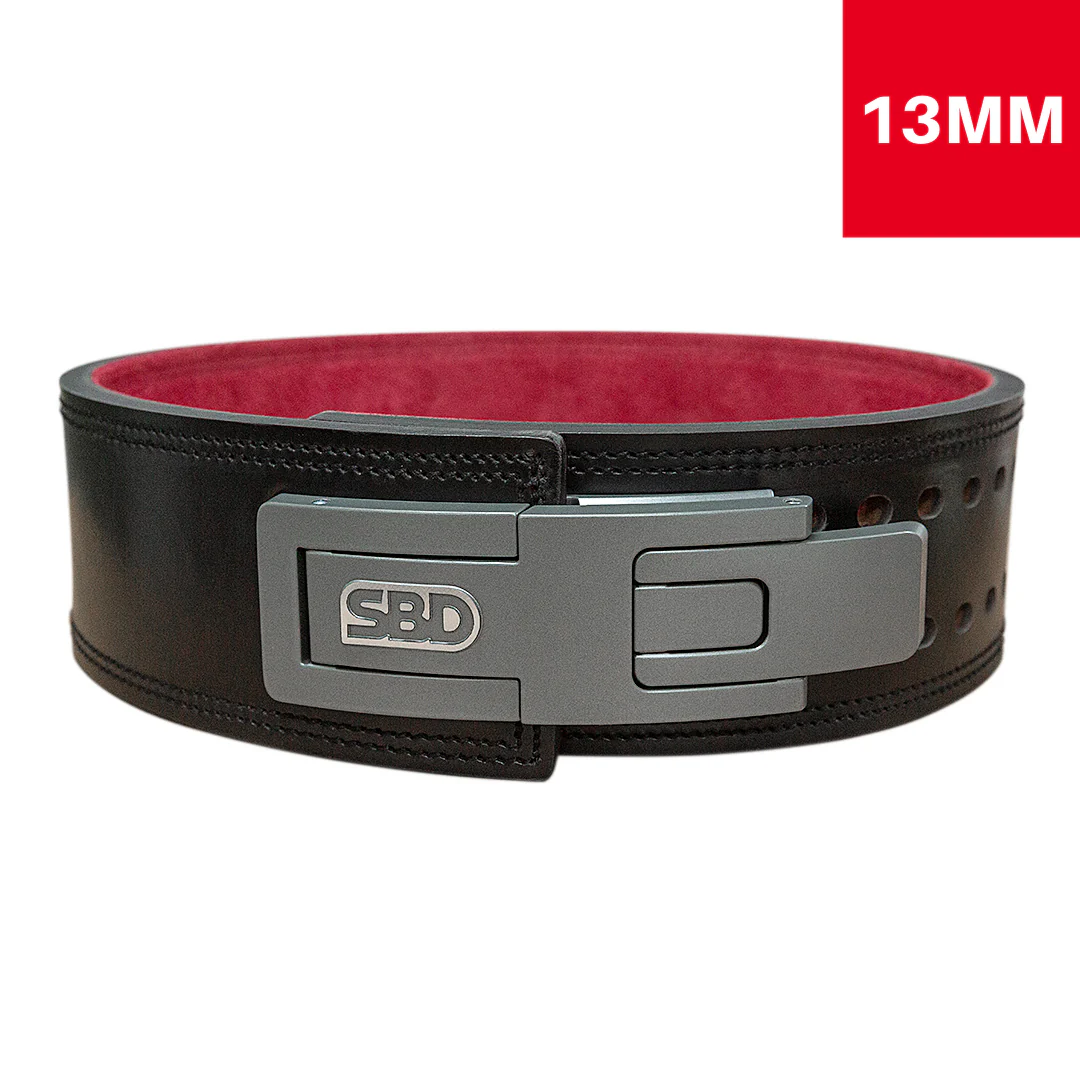
Lifting Belt
Gives your core something to brace against, adding stability and lower-back support on heavy squats and deadlifts.
Check Out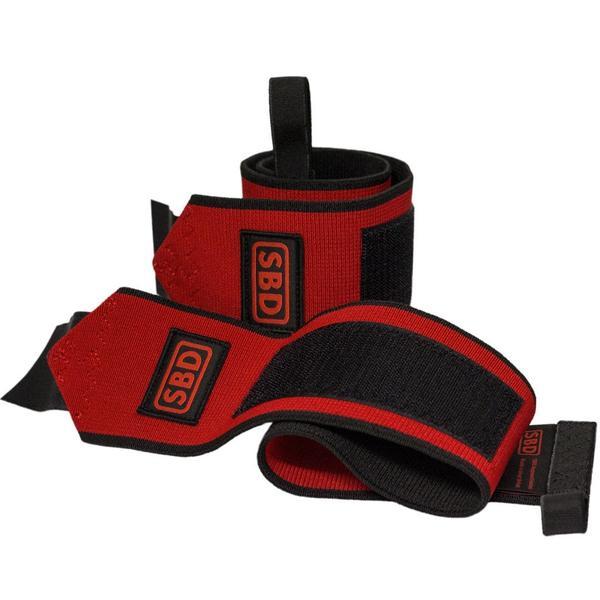
Wrist Wraps
Keep the wrist stacked under the bar on heavy bench and overhead pressing, so the joint doesn’t bend back under load.
Check Out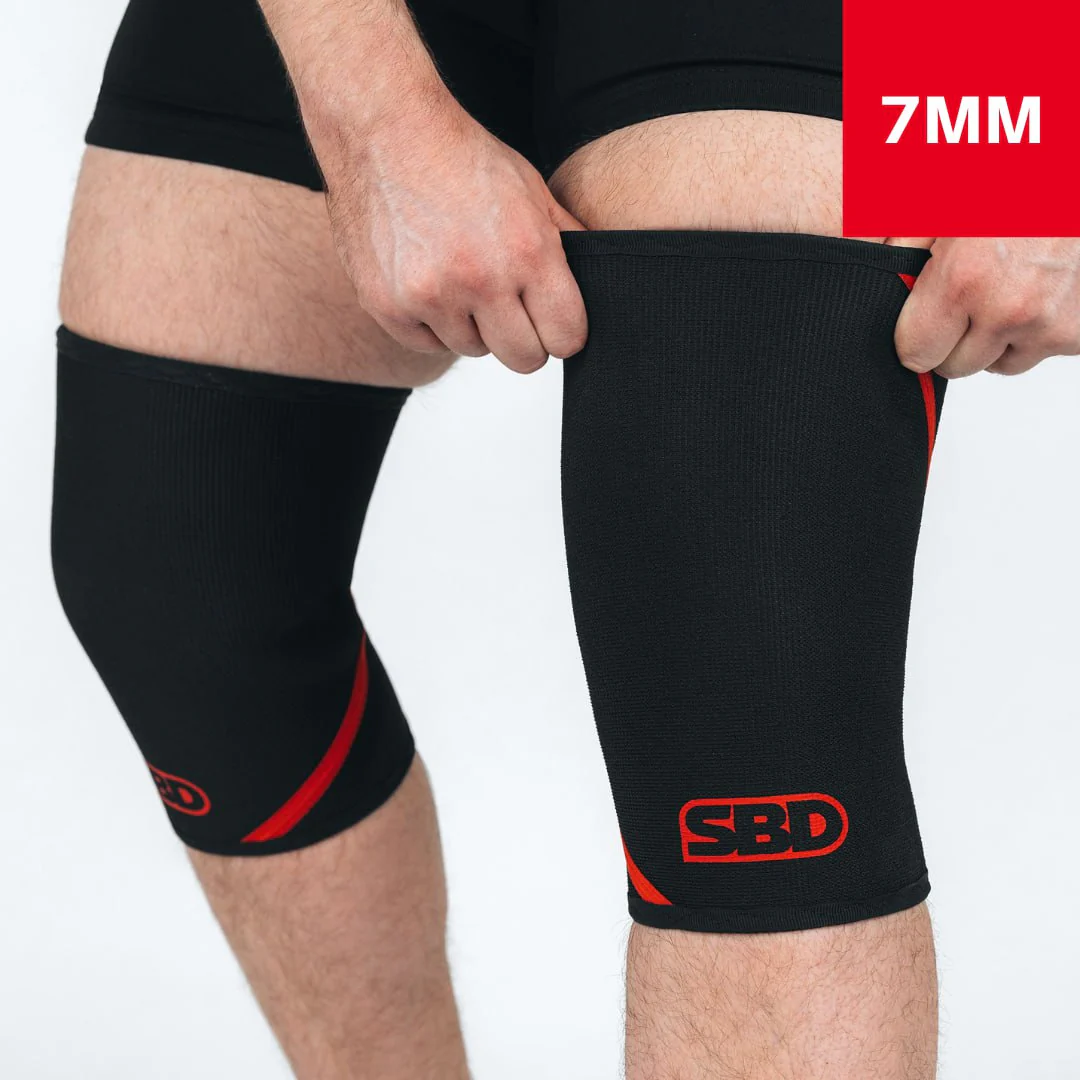
Knee Sleeves
Add warmth and a little support to the knees, plus a small rebound out of the bottom of the squat.
Check Out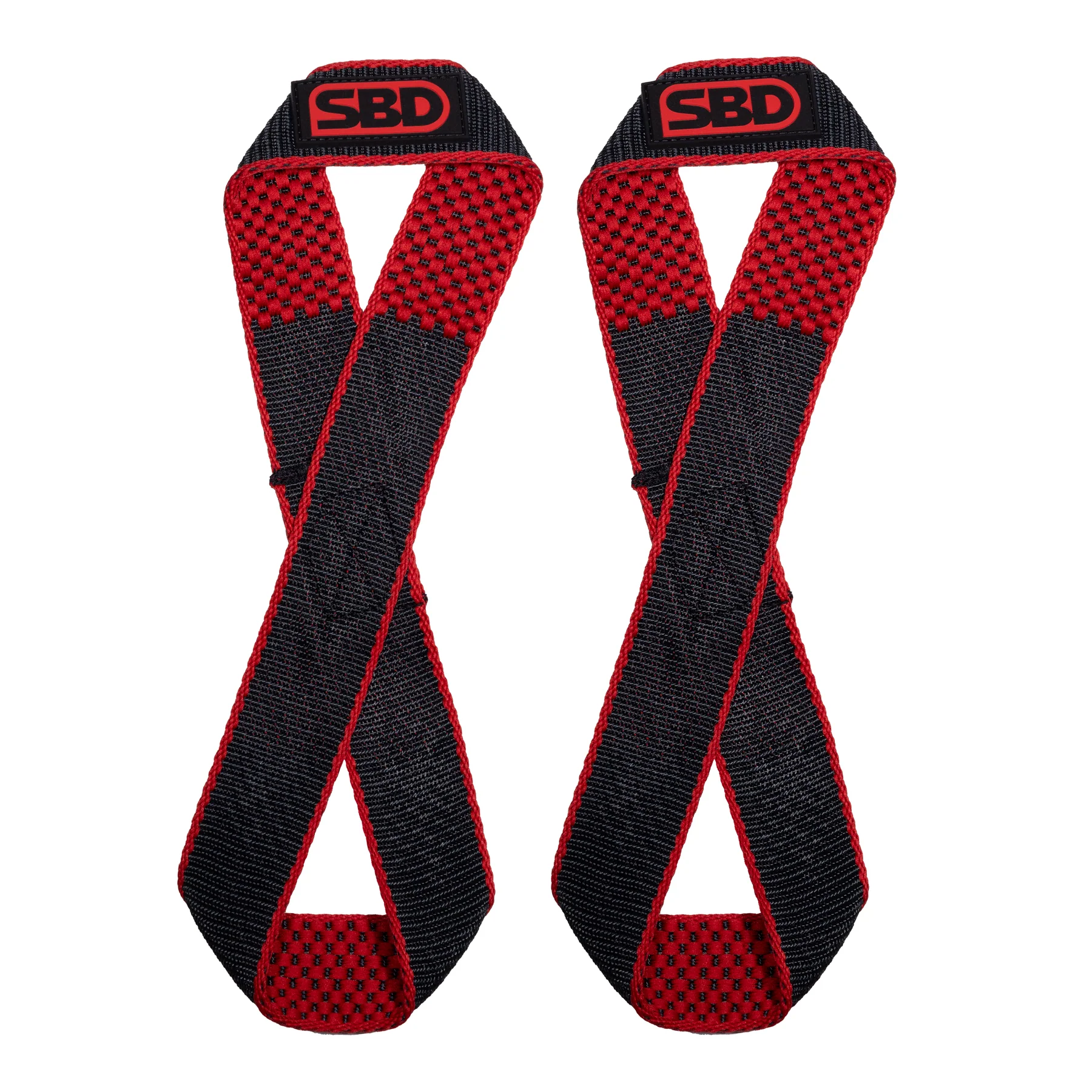
Lifting Straps
Secure your grip so heavy pulling and deadlift volume isn’t cut short by your hands giving out first.
Check OutLearn the lifts
New to any of the movements in this program? Our lift guides break down technique, cues and the common mistakes to avoid.
 Iron Library