What is the Calgary Barbell program?
The Calgary Barbell programs are free peaking plans from coach Bryce Krawczyk, an accomplished raw powerlifter and founder of the Calgary Barbell brand. They come in an 8-week and a 16-week version, both designed to take an intermediate lifter and prepare them to hit big numbers on meet day.
They have become some of the most popular free spreadsheets in powerlifting because they are well-structured, modern, and use autoregulation rather than rigid fixed percentages.
How it works
Instead of assigning a hard percentage for every set, Calgary Barbell is built around RPE - Rate of Perceived Exertion. You work up to a top set at a target RPE (how hard the set should feel, e.g. RPE 8 means roughly two reps left in the tank), then perform back-off sets at a percentage of that top set for volume.
This autoregulation means the program adjusts to how strong you are on a given day: strong days let you load more, off days keep you honest. Over the weeks the volume tapers and the intensity climbs, culminating in a meet-style peak and a deload before you test your maxes.
Getting RPE right
The whole program lives or dies on honest RPE. Rating sets too easy leaves progress on the table; rating them too hard buries you in fatigue. It takes a few sessions to calibrate, so err toward conservative early and let the numbers rise as your feel sharpens.
Because it autoregulates, Calgary Barbell handles life stress, sleep and nutrition swings far better than a fixed-percentage plan - you simply lift to the prescribed effort each day.
Who it’s for
It is aimed at intermediate powerlifters who are comfortable (or ready to get comfortable) with RPE and who have a meet - real or self-imposed - to peak for. The 16-week version is a full off-season-to-platform block; the 8-week is a condensed run when you have less time.
It is less suited to raw beginners who should still be milking simpler linear progression, and to lifters who dislike judging effort and prefer being told an exact weight.
Strengths & trade-offs
Strengths: modern autoregulated design, a genuine meet peak built in, sensible accessory work, and enough variation to keep training engaging. It is free and battle-tested by thousands of lifters.
Trade-offs: you must learn RPE to get the most from it, and the later, heavier weeks are demanding. Newer lifters can find the autoregulation ambiguous at first.
How to run it
Choose the 8- or 16-week version based on your timeline, seed it with recent maxes or estimates, and commit to rating your top sets honestly. Run it straight through to the peak and deload, then test on the final week.
Open the spreadsheet below to see the week-by-week layout, or copy it in Google Sheets to fill in your own numbers.
The spreadsheet
Browse the full program below, or open it in Google Sheets to make your own copy and plug in your numbers.
Spreadsheet via LiftVault. If the preview doesn’t load, use “Open in Google Sheets”.
Equipment
This is a barbell program - you don’t need much, but a few pieces make it run smoothly.
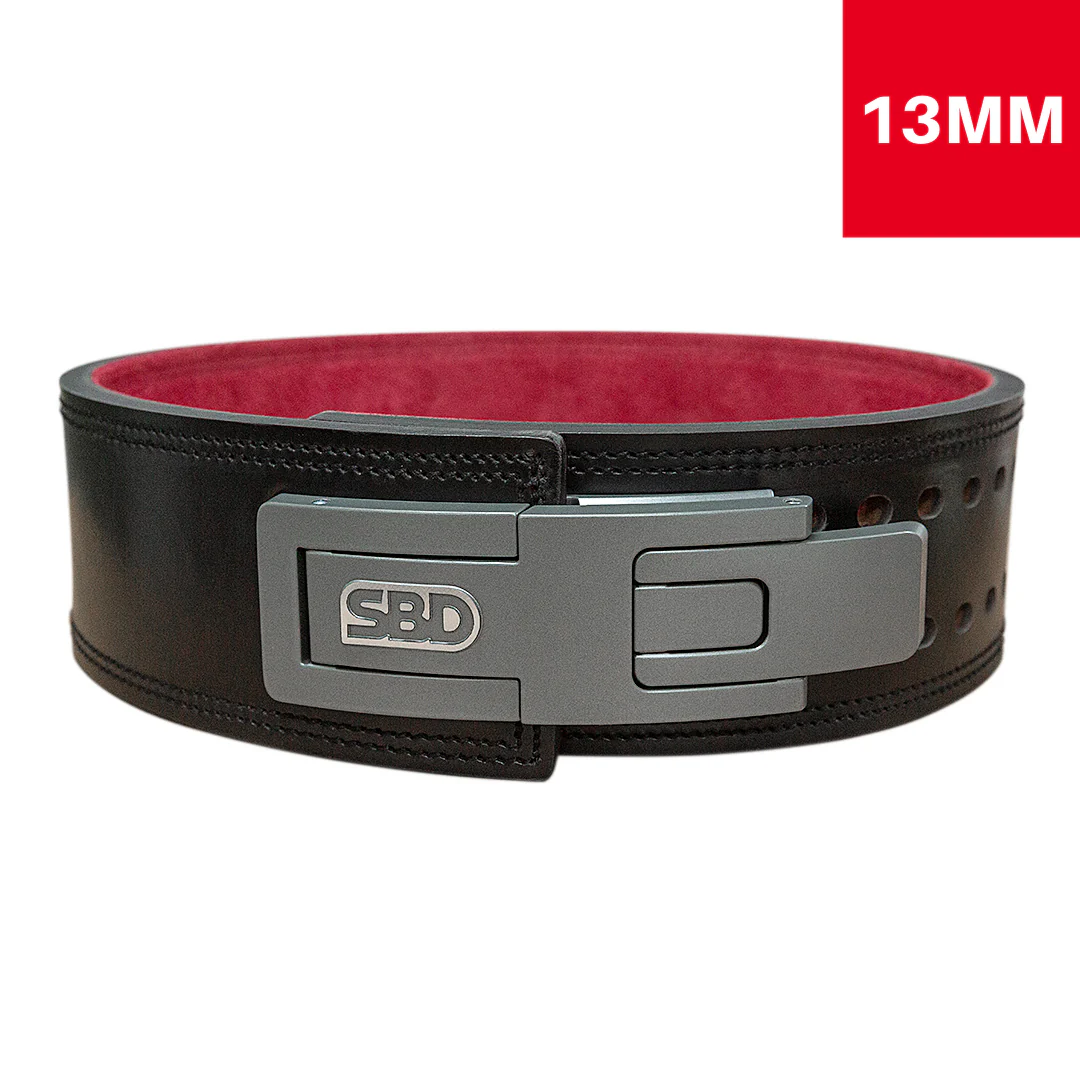
Lifting Belt
Gives your core something to brace against, adding stability and lower-back support on heavy squats and deadlifts.
Check Out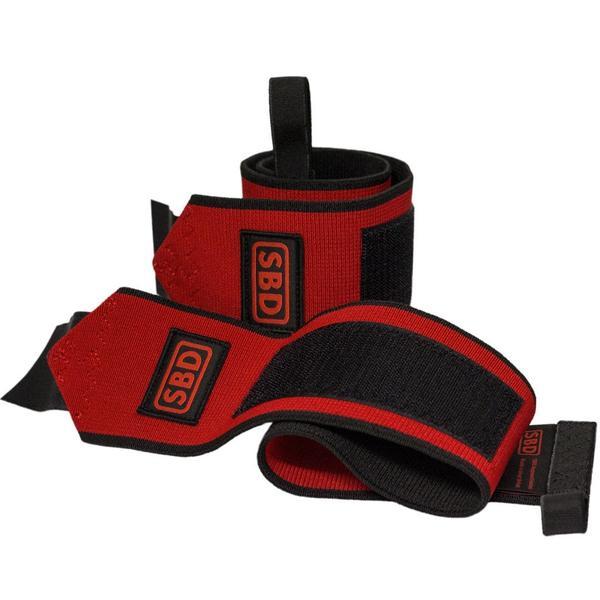
Wrist Wraps
Keep the wrist stacked under the bar on heavy bench and overhead pressing, so the joint doesn’t bend back under load.
Check Out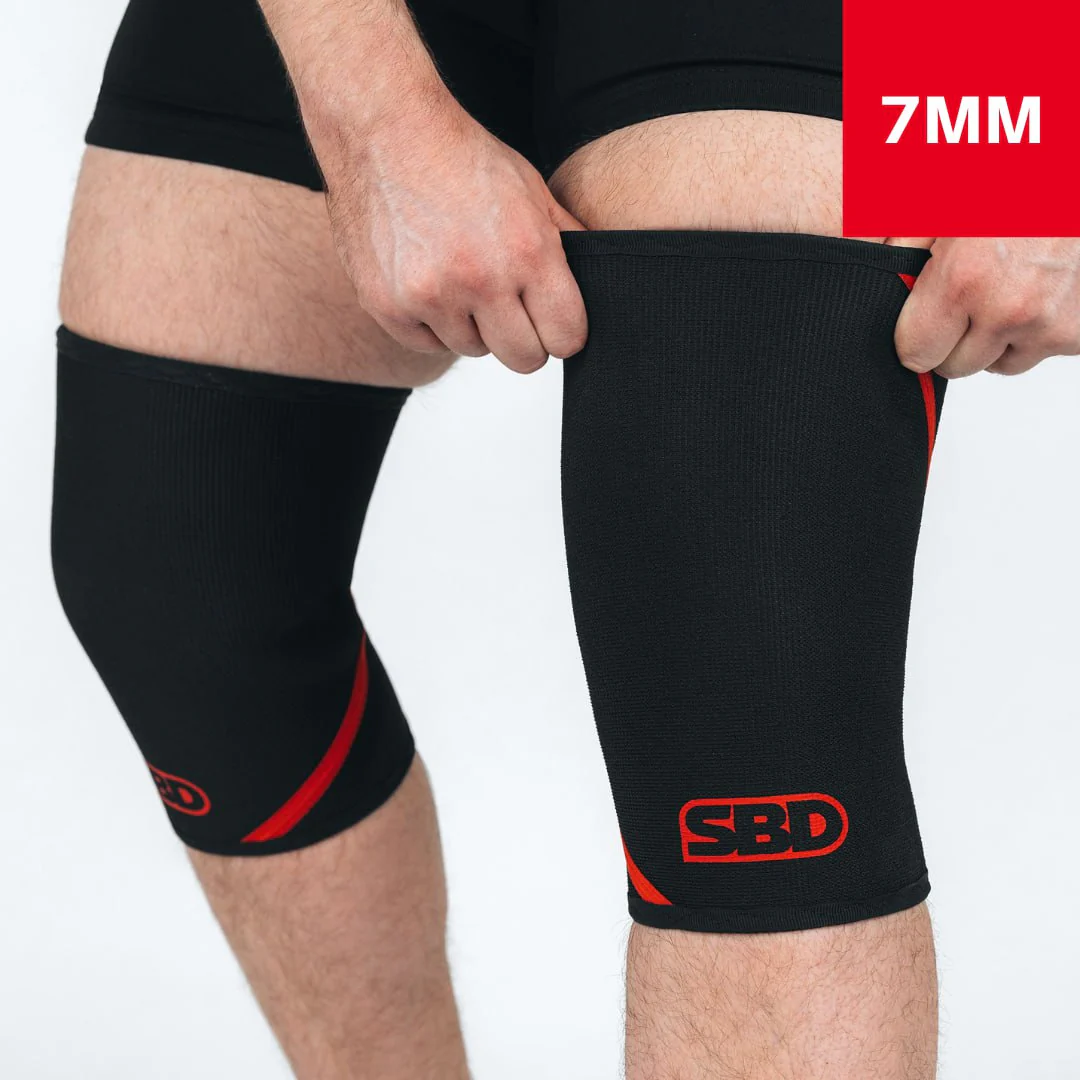
Knee Sleeves
Add warmth and a little support to the knees, plus a small rebound out of the bottom of the squat.
Check Out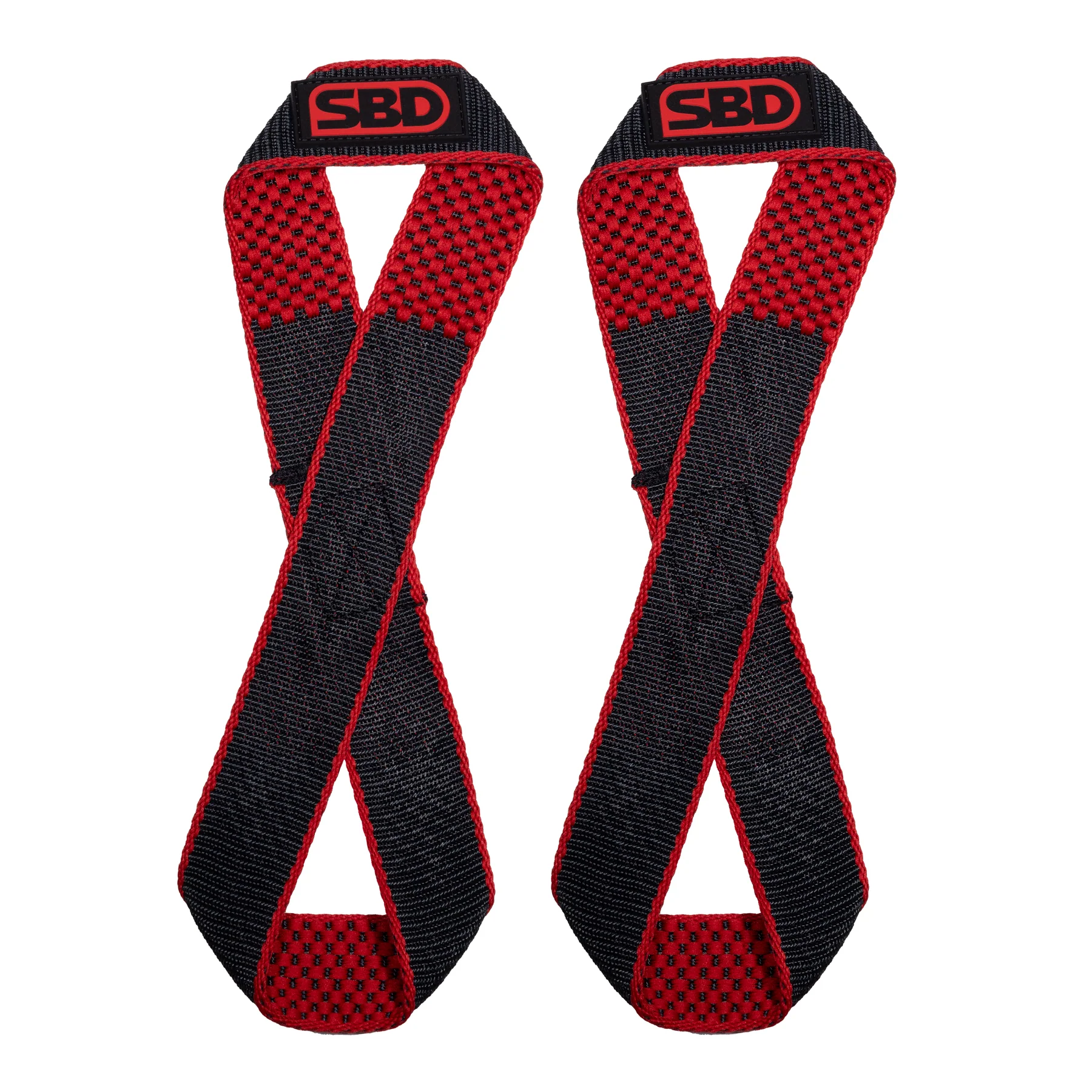
Lifting Straps
Secure your grip so heavy pulling and deadlift volume isn’t cut short by your hands giving out first.
Check OutLearn the lifts
New to any of the movements in this program? Our lift guides break down technique, cues and the common mistakes to avoid.
 Iron Library