What is the Bulgarian Method?
The Bulgarian Method comes from Ivan Abadjiev’s Bulgarian Olympic weightlifting teams, and its powerlifting adaptations carry the same radical philosophy: train a small number of lifts to a near-maximal single almost every day. It strips training down to its most specific form - you get good at lifting maximal weights by lifting maximal weights, constantly.
In its powerlifting form you work up to a daily max on the squat, bench or deadlift, often multiple times a week per lift, with very little assistance work.
How it works
Each session you ramp to a top single for the day - as heavy as you can hit cleanly on that day, which naturally varies with how you feel. Because you are near a max so frequently, your body adapts to being under heavy load and your technique at maximal weights becomes second nature.
There is minimal variety by design: a handful of core lifts, trained at maximal intensity, over and over. Volume comes from frequency rather than lots of sets.
A high-risk, high-reward system
This is one of the most demanding approaches in all of strength training. Maxing daily places extreme stress on joints, connective tissue and the nervous system, and the original system was applied to full-time, carefully selected and supervised athletes. For most lifters, taken literally, it is a fast track to injury or burnout.
Sensible adaptations dial back the frequency or use a daily "training max" rather than a true grind, but even then it demands excellent recovery and technique. Approach with caution and honesty about your own limits.
Who it’s for
Realistically the Bulgarian Method is for advanced, resilient lifters with excellent technique, strong recovery, and time to devote to training - and even then, usually in a modified form. Its appeal is rapid gains in maximal strength and comfort under heavy loads.
It is absolutely not for beginners or intermediates, who will make faster, safer progress on structured submaximal programs.
Strengths & trade-offs
Strengths: unmatched specificity and neural drive, fast improvements in a true one-rep max, and total simplicity - there is very little to plan.
Trade-offs: very high injury and burnout risk, brutal recovery demands, and near-total neglect of hypertrophy and weak-point work. Longevity on it is questionable for most.
How to run it
If you attempt it, favour a conservative adaptation: work up to a clean daily max (not an all-out grind), keep the exercise list short, and monitor joints and fatigue closely - back off the moment your daily numbers crater. Recovery is the whole game.
Open the spreadsheet below to see a structured version, or copy it in Google Sheets to run your own numbers.
The spreadsheet
Browse the full program below, or open it in Google Sheets to make your own copy and plug in your numbers.
Spreadsheet via LiftVault. If the preview doesn’t load, use “Open in Google Sheets”.
Equipment
This is a barbell program - you don’t need much, but a few pieces make it run smoothly.

Lifting Belt
Gives your core something to brace against, adding stability and lower-back support on heavy squats and deadlifts.
Check Out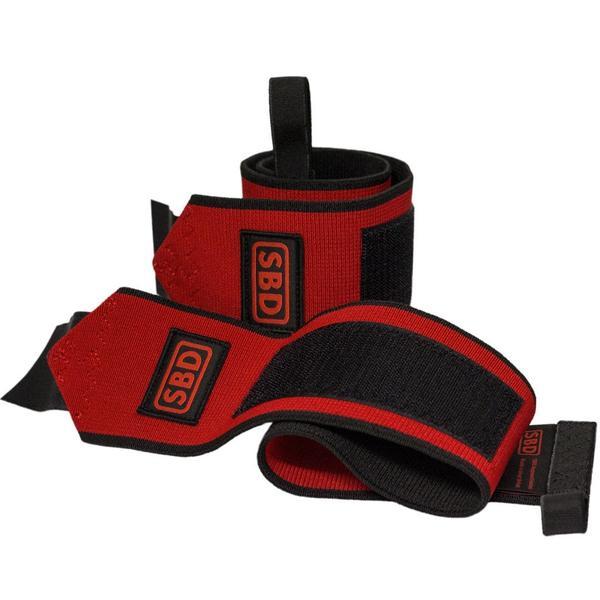
Wrist Wraps
Keep the wrist stacked under the bar on heavy bench and overhead pressing, so the joint doesn’t bend back under load.
Check Out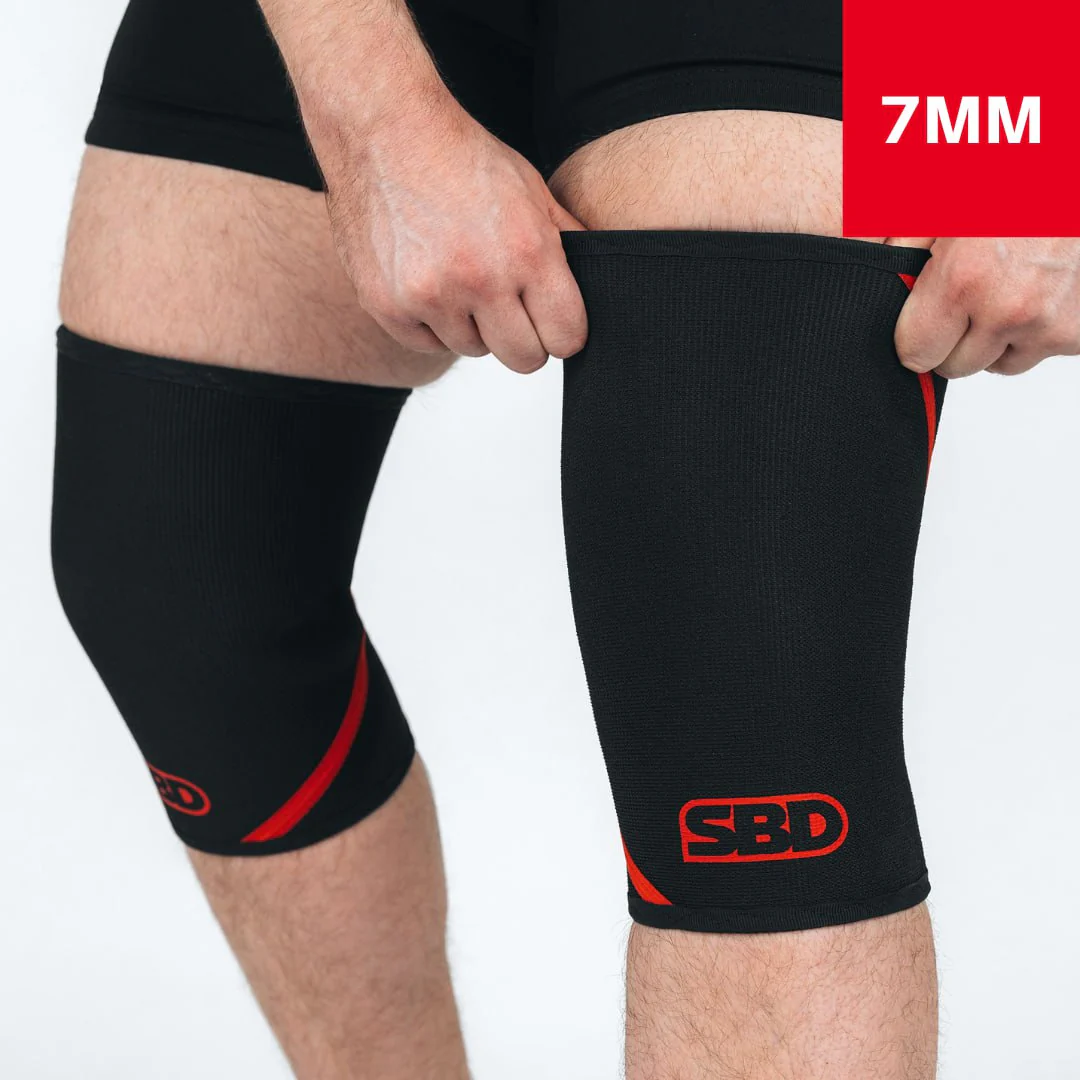
Knee Sleeves
Add warmth and a little support to the knees, plus a small rebound out of the bottom of the squat.
Check Out
Lifting Straps
Secure your grip so heavy pulling and deadlift volume isn’t cut short by your hands giving out first.
Check OutLearn the lifts
New to any of the movements in this program? Our lift guides break down technique, cues and the common mistakes to avoid.
 Iron Library