
What is the Bill Starr 5×5?
Bill Starr was one of the most influential American strength coaches of the twentieth century - an Olympic weightlifter, a long-running writer for Strength & Health, and the strength coach behind several university and professional football programs. His 1976 book “The Strongest Shall Survive: Strength Training for Football” laid out the heavy/light/medium 5×5 that still carries his name.
The routine was written for athletes, and it shows: three lifts, three days a week, and a power clean sitting alongside the squat and the press. It is also the direct ancestor of Madcow 5×5, which is the version most lifters actually meet first.
Heavy, light and medium
You train the same movements every session - a squat, a press, and a pull (power clean, or a barbell row if you are not going to learn the clean) - three days a week. What changes across the week is not the exercise but the intensity: Monday is heavy, Wednesday is light, Friday is medium.
Monday’s top set is the reference point for everything else. Wednesday runs the same lifts to roughly 80% of that top set, and Friday sits around 90%. Several widely circulated versions of the template instead make Friday the day you push for a new top-set record, so check which variant your sheet is written for before you start entering numbers.
The logic is straightforward fatigue management. Monday supplies the hard stimulus, Wednesday keeps the movement pattern fresh without adding damage, and Friday delivers a second real dose of loading at a point in the week when you can still absorb it.
Ramping sets of five
The 5×5 here is not five straight sets across. It is a ramp: five sets of five that climb toward the top set, conventionally something close to 50%, 62.5%, 75%, 87.5% and finally 100% of that day’s top weight. Only the last set is genuinely hard.
That ramp does two jobs at once. It warms you up thoroughly, so no separate warm-up protocol is needed, and it stacks a meaningful pile of submaximal volume underneath the heavy set - which is where a good share of the actual muscle-building work happens.
Weekly progression
Progress is made weekly, not session to session. You add a small increment to Monday’s top set each week - conventionally 5 lb on the presses and 10 lb on the squat and the pull - and the light and medium days recalculate off it automatically.
That single change is what makes this an intermediate program rather than a novice one. A beginner can add weight every workout; once that stops working, stretching the same progression across a week buys you months more. When the weekly jump fails two or three weeks running, drop your top sets by about 10% and ramp back up.
Bill Starr or Madcow?
Madcow 5×5 is the intermediate derivative of this program, reworked years later for lifters who were not football players. It keeps the ramping 5×5 and the weekly progression, but it reorganises the week - the heaviest work moves to Friday, where you ramp to a new top set and then drop back for a set of higher reps - and it softens the loading so the block can run for months before a reset is needed.
If you are coming straight off Starting Strength or StrongLifts and want the safest next step, run Madcow: it is more forgiving, better documented, and hands you a weekly PR to chase. Run the original Starr template if you want the power clean in your training, you like the athletic bias, and you can handle a genuinely maximal Monday. The Madcow 5×5 guide on this site walks through that version in full if you want to compare them side by side.
Who it’s for
It suits the post-novice lifter who has stalled on daily linear progression and wants a simple, three-day, full-body structure with real weight on the bar. It suits athletes especially - the power clean, the short exercise list and the built-in light day all exist because Starr was programming around a sport.
It is not for a first-week beginner, who will progress faster on a straight linear progression. It is also a poor fit if you cannot or will not learn a power clean, if you want dedicated hypertrophy work, or if you need a squat-bench-deadlift specific peak for a meet.
Strengths & trade-offs
Strengths: three lifts, three days, and no decisions to make. The ramping sets deliver volume and a heavy top set inside the same twenty minutes, the heavy/light/medium structure manages fatigue better than most simple programs, and it has been producing strong athletes for around fifty years.
Trade-offs: it is monotonous, the power clean is a technical barrier that really does need coaching, there is almost no arm or accessory work, and the conventional deadlift is barely trained as such. Progress also tends to stop fairly abruptly once you are past the intermediate stage.
How to run it
Seed the sheet with a top set of five you can hit cleanly today on each lift, not a number you managed once on a good day. Every other session in the week is calculated off it, so an honest starting figure is worth far more than an ambitious one.
Run the week as written, keep Wednesday genuinely light (this is the rule most people break), and add your weekly increment to Monday. Stall twice, cut 10%, build back. When a reset stops buying you progress, you have outgrown the template - move to Madcow, the Texas Method, or a 5/3/1 cycle.
The spreadsheet below lays out the heavy, light and medium days with the ramps calculated; copy it in Google Sheets to run your own numbers.
The spreadsheet
Browse the full program below, or open it in Google Sheets to make your own copy and plug in your numbers.
Spreadsheet via LiftVault. If the preview doesn’t load, use “Open in Google Sheets”.
Equipment
This is a barbell program - you don’t need much, but a few pieces make it run smoothly.

Lifting Belt
Gives your core something to brace against, adding stability and lower-back support on heavy squats and deadlifts.
Check Out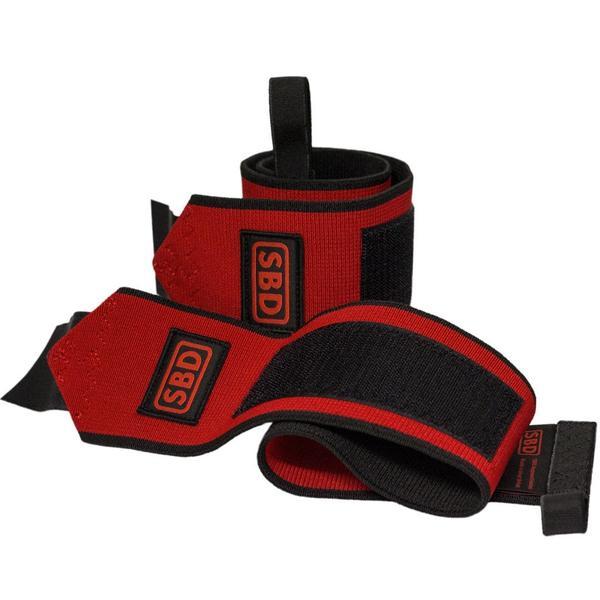
Wrist Wraps
Keep the wrist stacked under the bar on heavy bench and overhead pressing, so the joint doesn’t bend back under load.
Check Out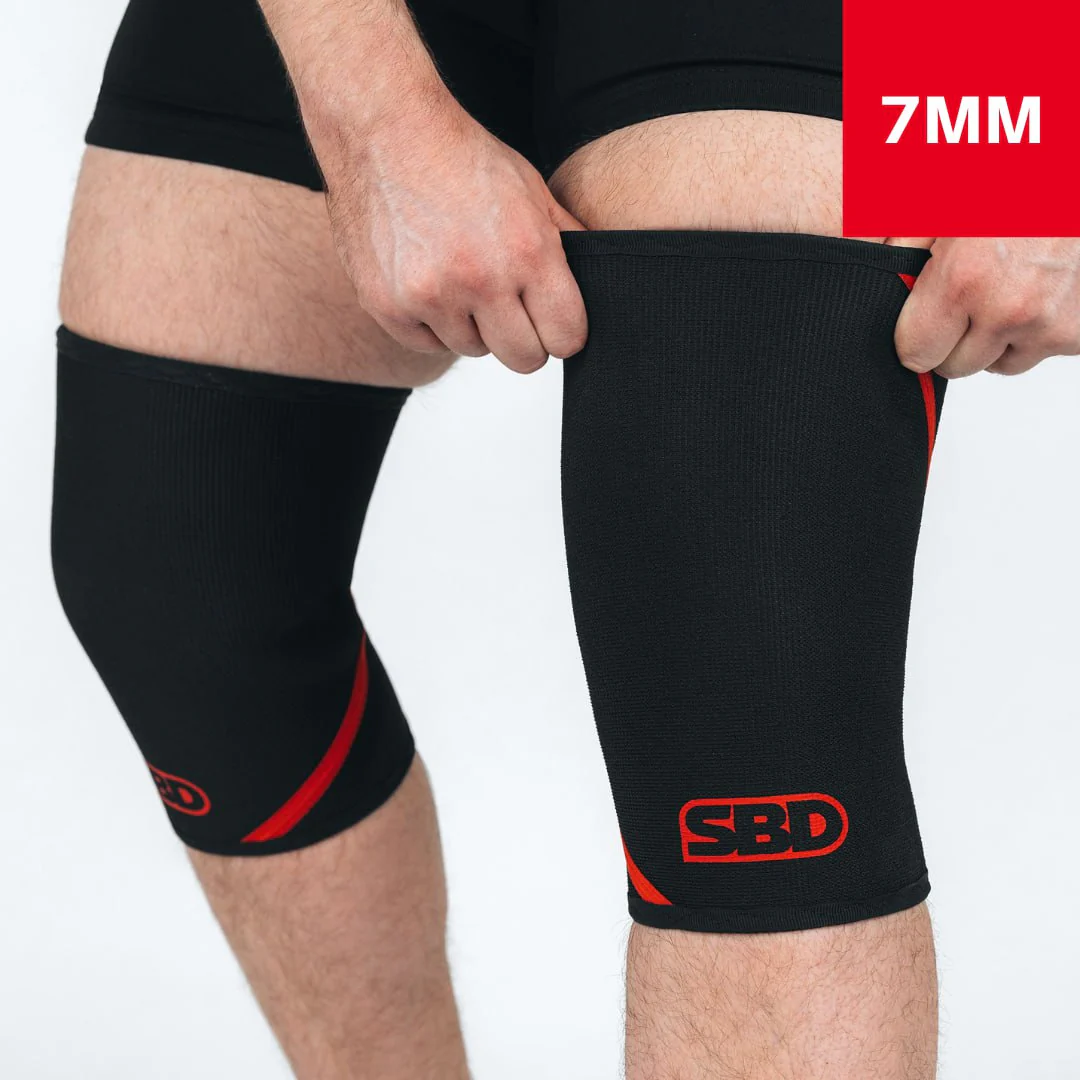
Knee Sleeves
Add warmth and a little support to the knees, plus a small rebound out of the bottom of the squat.
Check Out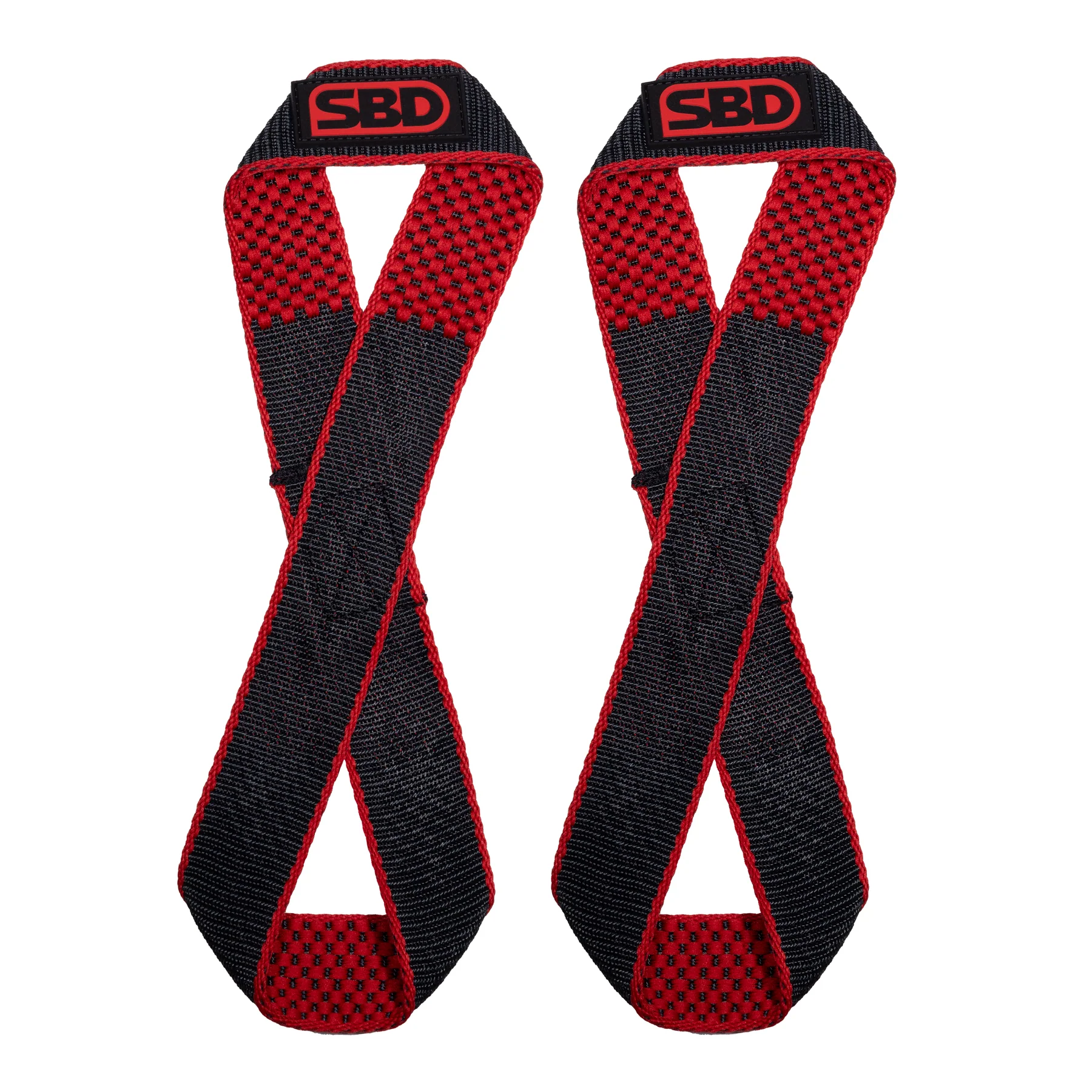
Lifting Straps
Secure your grip so heavy pulling and deadlift volume isn’t cut short by your hands giving out first.
Check OutLearn the lifts
New to any of the movements in this program? Our lift guides break down technique, cues and the common mistakes to avoid.
 Iron Library