What is the Arnold split?
The Arnold split is the six-day training week Arnold Schwarzenegger built his physique on, and it has stayed in circulation for fifty years because the look it produced is still the one most people are chasing. The week runs chest and back, then shoulders and arms, then legs - and then repeats, so every muscle group gets trained twice in seven days.
It is unapologetically a bodybuilding program. There is no percentage table, no peaking block and no meet at the end: the goal is size, the currency is volume, and the organising idea is that you train each muscle often enough and hard enough that it has no choice but to grow.
How it works
Each day pairs muscle groups that work well together, and the chest and back day is the famous one - pressing and pulling alternated as supersets, so one muscle recovers while you work its opposite. It keeps the session moving, drives an enormous pump, and gets a lot of quality sets done in a compressed window.
Within each day you start with the heaviest compound work while you are fresh, then move outward into machines, cables and isolation work to finish the muscle off. Rep ranges sit mostly in the 8-12 bracket with the occasional heavier set of 6, and the set counts per muscle are high by modern standards - that is the point, not an accident.
The volume question
Arnold trained this way as a full-time professional with genetics at the extreme end of the distribution, and the honest framing is that the original volume is more than most lifters can recover from while holding down a job. The split itself, though, is sound: a twice-weekly frequency per muscle is well supported by the research, and the muscle pairings make sense.
The usual fix is not to abandon the template but to scale it - trim a couple of exercises per day, cut the junk volume on the small muscles first, and judge it by whether you are progressing week to week. A program you can recover from at 70% of the listed volume beats the full version run into the ground.
Who it’s for
This suits experienced lifters who already have a few years of consistent training, a base of size and strength, and the schedule and recovery to train six days a week. Sleep, food and stress all have to be in reasonable order before the volume becomes an asset rather than a hole you dig.
It is a poor choice for beginners, who will grow faster on three full-body sessions a week, and for anyone training around a heavy work schedule or a stubborn injury. If you are also trying to run a strength peak or a meet prep, run one or the other - not both.
Strengths & trade-offs
Strengths: high frequency per muscle, sensible pairings, plenty of direct arm and shoulder work, and supersets that make a large amount of work fit into a reasonable session length. It is also genuinely enjoyable to train, which matters more than programming purists like to admit.
Trade-offs: the recovery demand is real, the time cost is six sessions a week, and the original volume needs scaling for most people. It also does little for maximal strength - you will get bigger on it, but it is not the program that adds 50 lb to your total.
How to run it
Open the spreadsheet below for the day-by-day layout. Start at the lower end of the listed sets, add work only when you are recovering well, and keep a log - on a program this size, progression is easy to lose track of and easy to fake.
Drive the compounds up over time rather than chasing a new pump every session, eat enough to support six training days, and take a lighter week whenever joints start complaining or performance stalls two sessions running.
The spreadsheet
Browse the full program below, or open it in Google Sheets to make your own copy and plug in your numbers.
Spreadsheet via LiftVault. If the preview doesn’t load, use “Open in Google Sheets”.
Equipment
This is a barbell program - you don’t need much, but a few pieces make it run smoothly.
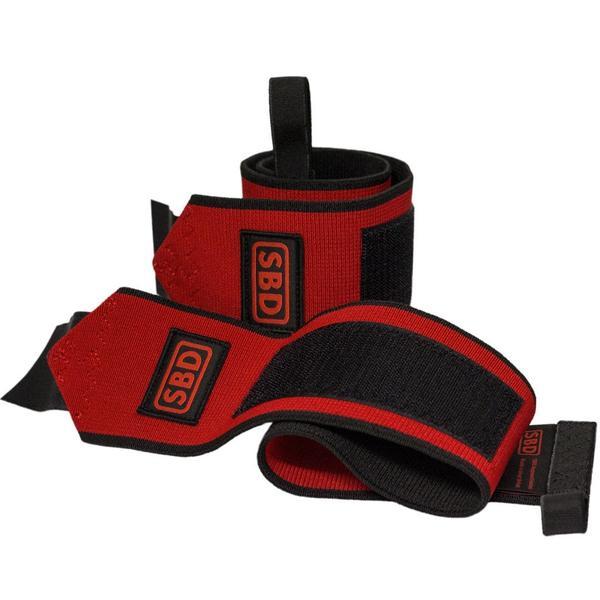
Wrist Wraps
Keep the wrist stacked under the bar on heavy bench and overhead pressing, so the joint doesn’t bend back under load.
Check Out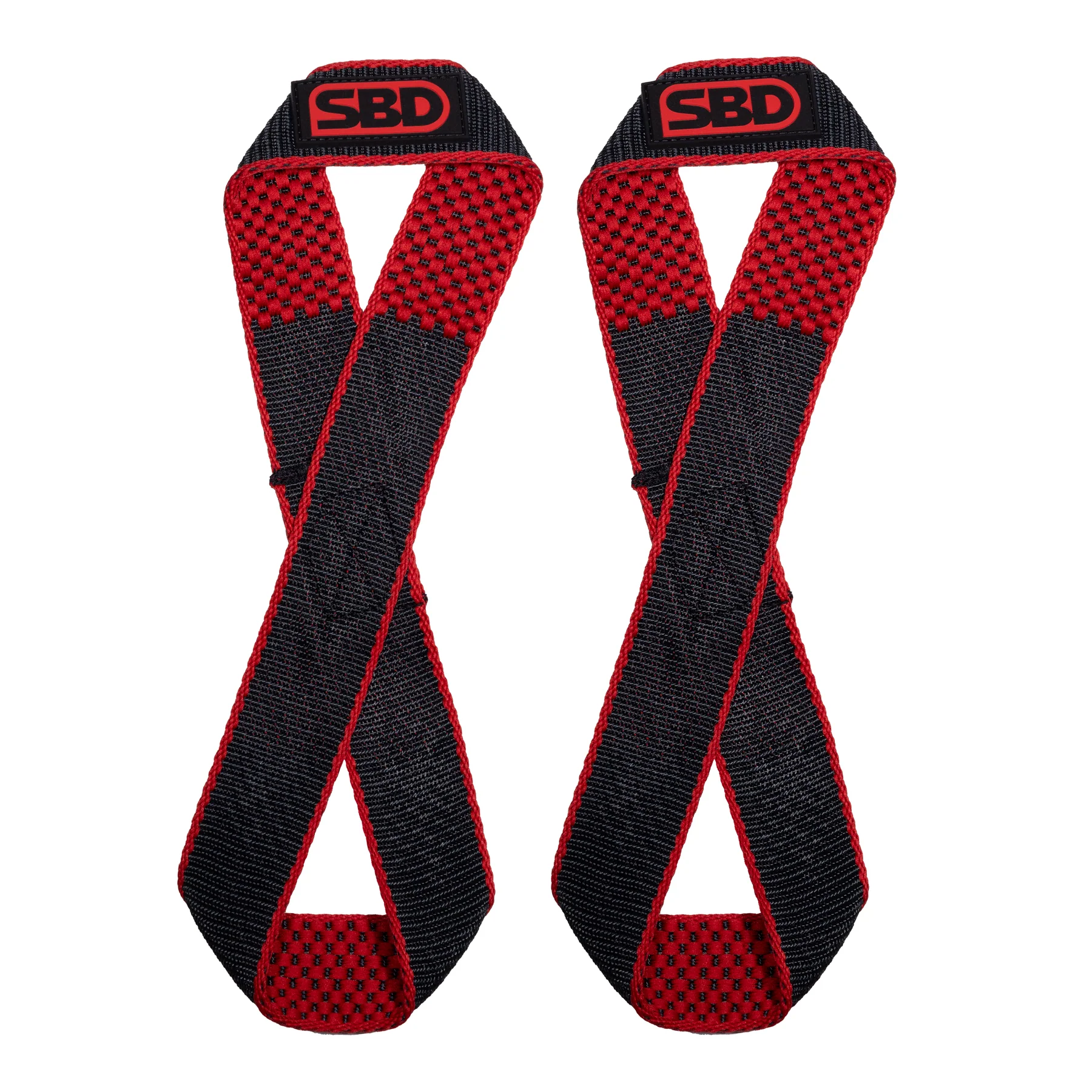
Lifting Straps
Secure your grip so heavy pulling and deadlift volume isn’t cut short by your hands giving out first.
Check Out
Lifting Belt
Gives your core something to brace against, adding stability and lower-back support on heavy squats and deadlifts.
Check OutLearn the lifts
New to any of the movements in this program? Our lift guides break down technique, cues and the common mistakes to avoid.
 Iron Library