What is the AlphaDestiny novice program?
This is the beginner routine from Alexander Leonidas, better known as AlphaDestiny, whose training content is aimed squarely at drug-free lifters and at building a physique that looks strong rather than just posting big numbers in three lifts.
Structurally it is a full-body novice linear progression - three days a week, add weight when you hit your reps - but the exercise selection is noticeably different from Starting Strength or StrongLifts, and that difference is the whole point.
How it works
You train the whole body three times a week with the main barbell lifts anchoring each session, progressing linearly by adding small increments whenever the prescribed reps are completed. So far, standard novice fare.
What changes is the emphasis. Overhead pressing is treated as a primary lift rather than an afterthought, and weighted dips and chin-ups carry a lot of the upper-body load alongside the barbell work. Direct arm and upper-back volume is present from day one rather than being something you add later.
Why the different exercise selection
The argument is that classic novice programs optimise for the powerlifting total and end up producing lifters with strong hips, a big bench and very little else visible. Heavy overhead work builds shoulders and upper back; weighted dips and chins build the arms and lats that make a physique read as muscular.
For a natural lifter with no intention of competing in powerlifting, that is a reasonable set of priorities. You still get strong on the squat and deadlift - you just also get the upper body that strength-only novice routines are notorious for neglecting.
Who it’s for
This suits beginners who want to build a well-rounded, muscular physique rather than maximise a competition total, and who can already perform a bodyweight chin-up and dip or are close to it.
If your goal is specifically powerlifting, a more conventional novice program with heavier bench specificity will serve you better. And if you cannot yet do a chin-up or a dip, spend a few weeks building up to them before starting, or substitute the progressions in the spreadsheet.
Strengths & trade-offs
Strengths: a balanced physique from the start, strong overhead pressing which pays off for shoulder health and for every pressing movement above it, and the simplicity and fast progress of a linear progression.
Trade-offs: the weighted calisthenics assume a certain baseline, the sessions run longer than a minimalist novice routine, and like all linear progressions it will eventually stop working.
How to run it
Open the spreadsheet below, enter conservative starting weights, and pay particular attention to the overhead press increments - it is the lift that stalls first for nearly everyone, and it needs the smallest jumps. Microplates are worth buying.
Add weight to the dips and chins as soon as bodyweight sets become easy; treating them as unweighted filler wastes the best feature of the program. When you stall repeatedly across multiple lifts, move to an intermediate program.
The spreadsheet
Browse the full program below, or open it in Google Sheets to make your own copy and plug in your numbers.
Spreadsheet via LiftVault. If the preview doesn’t load, use “Open in Google Sheets”.
Equipment
This is a barbell program - you don’t need much, but a few pieces make it run smoothly.
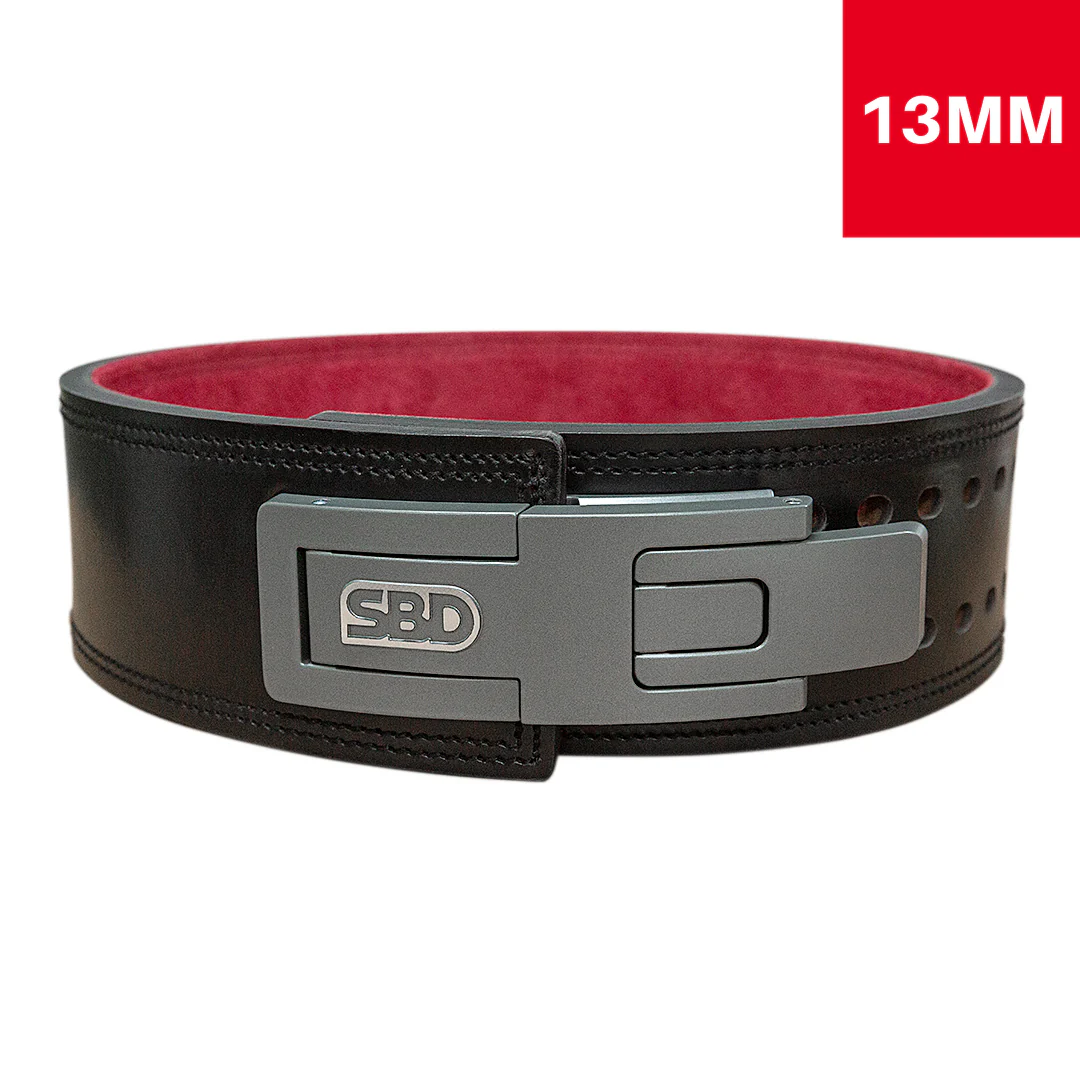
Lifting Belt
Gives your core something to brace against, adding stability and lower-back support on heavy squats and deadlifts.
Check Out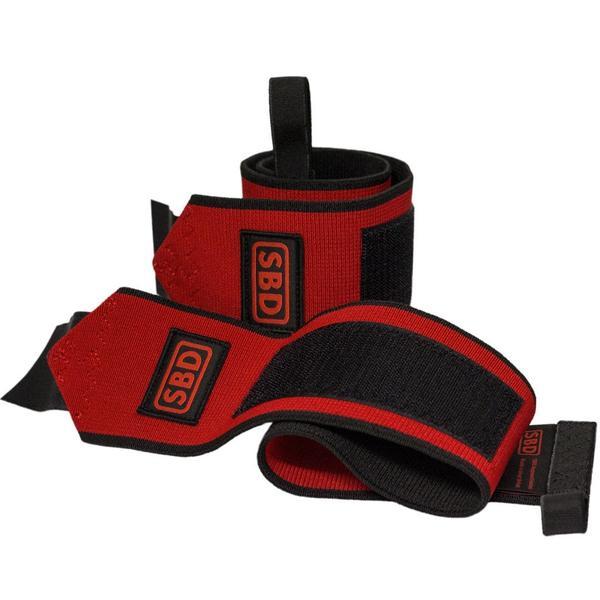
Wrist Wraps
Keep the wrist stacked under the bar on heavy bench and overhead pressing, so the joint doesn’t bend back under load.
Check Out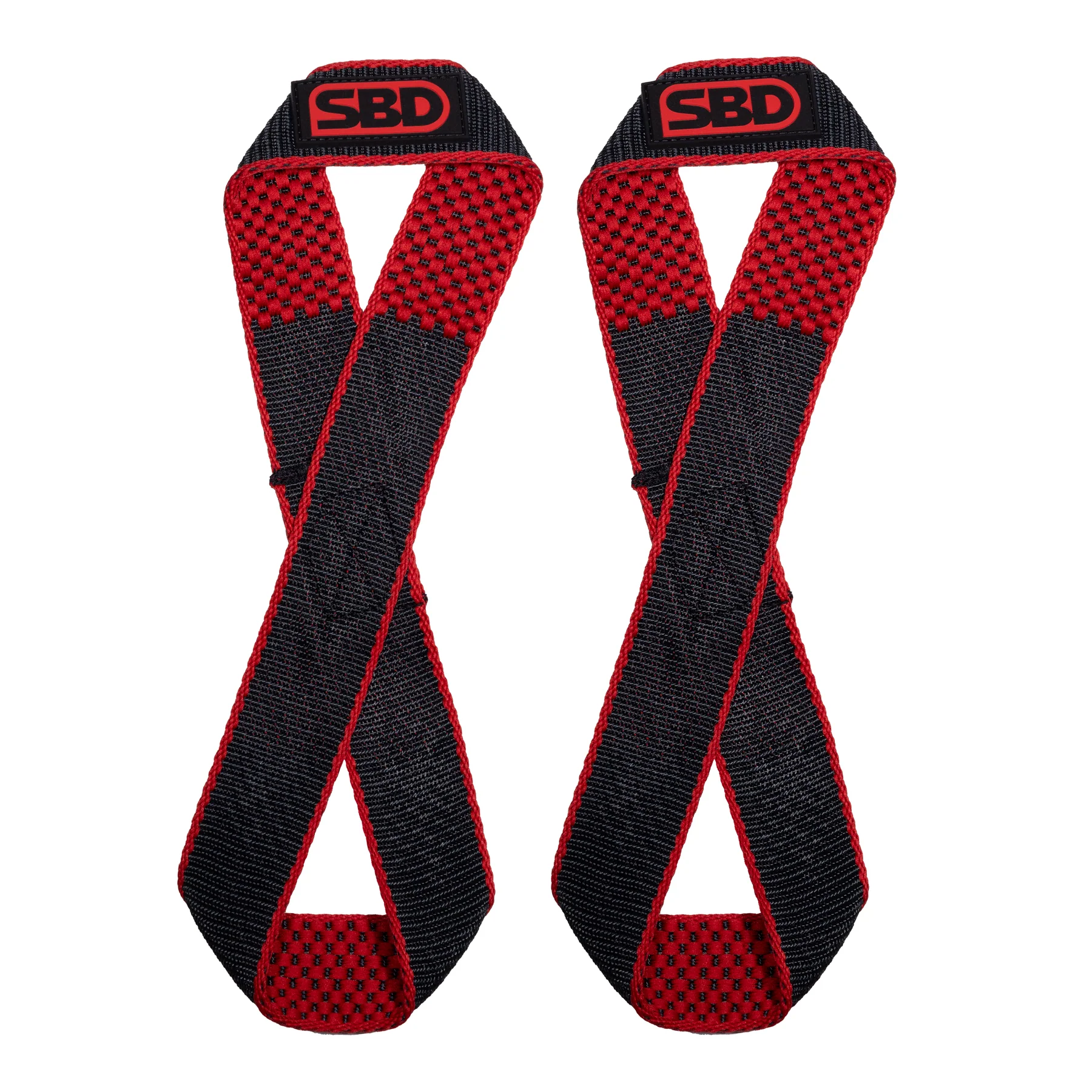
Lifting Straps
Secure your grip so heavy pulling and deadlift volume isn’t cut short by your hands giving out first.
Check OutLearn the lifts
New to any of the movements in this program? Our lift guides break down technique, cues and the common mistakes to avoid.
 Iron Library