What is 5/3/1?
5/3/1 is a strength program created by Jim Wendler, a former powerlifter who squatted, benched and deadlifted big totals and then wanted something simple and sustainable to train the rest of his life. Instead of chasing personal records every week, 5/3/1 has you make small, steady progress on the four main barbell lifts - the squat, bench press, deadlift and overhead press - over rolling four-week cycles.
The whole method is built around one idea: start lighter than you think you should, and progress slowly. Wendler’s famous line is “train with 90%.” By deliberately leaving weight on the bar, you accumulate months and years of consistent progress instead of burning out in a few aggressive weeks. It is one of the most popular intermediate programs in the world precisely because it is hard to mess up.
The Training Max
Every working percentage in 5/3/1 is calculated from your Training Max (TM), not your true one-rep max. Your TM is 90% of your best current single for each lift. If you can deadlift 400 lb, your Training Max is 360 lb, and all of your deadlift percentages come off that 360.
This is the safety valve that makes the program work. Because the weights are calculated from a number that is already 10% below your true max, the prescribed sets stay fast and clean, your technique holds up, and you almost always have something left in the tank on the top set. New lifters often set the TM too high - resist it. A slightly low TM that you beat every cycle is far better than a high one that stalls you out.
How the 4-week wave works
Each training cycle is four weeks long, and each lift is trained once per week. The main work is three sets, and the percentages climb across the first three weeks before a lighter deload:
Week 1 (5s): 65% × 5, 75% × 5, 85% × 5+. Week 2 (3s): 70% × 3, 80% × 3, 90% × 3+. Week 3 (5/3/1): 75% × 5, 85% × 3, 95% × 1+. Week 4 (deload): 40% × 5, 50% × 5, 60% × 5.
The “+” on the last set of the first three weeks is the heart of the program: it is an AMRAP - as many quality reps as possible. You are not going to failure with ugly grinders; you are stopping with a rep or two in the tank. Those extra reps are how you prove the weight is getting easier and how the program measures your real progress. A big AMRAP set is your PR for the day.
Assistance work
After the main lift you add assistance work to build muscle and bring up weak points. Wendler’s guideline is simple: pick movements that push, pull, and train the core/single-leg, and keep the volume in the 50–100 total-rep range per category. There are several popular templates:
Boring But Big (BBB) is the most famous - after your main work you do 5 sets of 10 on the same lift at 50–60% of your Training Max. It is brutal, simple, and adds a lot of size. First Set Last (FSL) has you repeat the first work-set percentage for extra volume (great for practicing the competition lifts). The Triumvirate uses just two assistance exercises per day. Beginners should start with one template and stick to it rather than program-hopping.
Progressing cycle to cycle
When a cycle ends, you do not retest your max - you simply bump the Training Max and start the next four weeks. Add 5 lb to your upper-body TMs (bench and press) and 10 lb to your lower-body TMs (squat and deadlift) each cycle. That is roughly 20 lb a year on the presses and 40 lb on the pulls if you never miss - modest on paper, enormous over time.
Eventually your AMRAP sets will shrink and progress stalls. When a lift stops moving, you “reset”: drop the Training Max back to about 85–90% of where it was and build up again. These resets are a feature, not a failure - they let you take another run at the same weights with fresh momentum.
Who it’s for
5/3/1 is aimed at the intermediate lifter - someone who has run a beginner linear-progression program (adding weight every session) and finally stalled. If you can no longer add weight to the bar workout to workout, the weekly, cycle-based progression of 5/3/1 is the natural next step.
It also suits lifters who want strength without living in the gym: three to four sessions a week, a predictable schedule, and enough flexibility to bolt on conditioning or extra hypertrophy work. It is less ideal for a raw beginner (who should keep milking linear progression) or for a competitive powerlifter deep in a meet peak, where a more specialised block program fits better.
Strengths & trade-offs
Strengths: it is nearly impossible to over-reach, the AMRAP sets give you an honest weekly benchmark, and it is endlessly customisable through its assistance templates. It teaches patience and rewards consistency, which is exactly what most intermediates lack.
Trade-offs: progress is deliberately slow, and the light early weeks can feel too easy for lifters used to grinding. On its own, the main lifts alone are fairly low volume - you need to actually do the assistance work to drive muscle growth. And because you only hit each lift once a week, frequency-hungry lifters may prefer something like nSuns or a Sheiko template.
How to run it
Test or estimate a solid single on each lift, take 90% of it as your Training Max, and plug those numbers into the spreadsheet below. Pick one assistance template - Boring But Big is a great first choice - and commit to it for at least a few cycles before changing anything.
Run the four-week wave, chase a strong-but-clean AMRAP on each top set, add 5/10 lb to your Training Maxes, and repeat. Keep a log of your AMRAP reps; that record, not the plates on the bar, is how you know the program is working.
The spreadsheet
Browse the full program below, or open it in Google Sheets to make your own copy and plug in your numbers.
Spreadsheet via LiftVault. If the preview doesn’t load, use “Open in Google Sheets”.
Equipment
This is a barbell program - you don’t need much, but a few pieces make it run smoothly.

Lifting Belt
Gives your core something to brace against, adding stability and lower-back support on heavy squats and deadlifts.
Check Out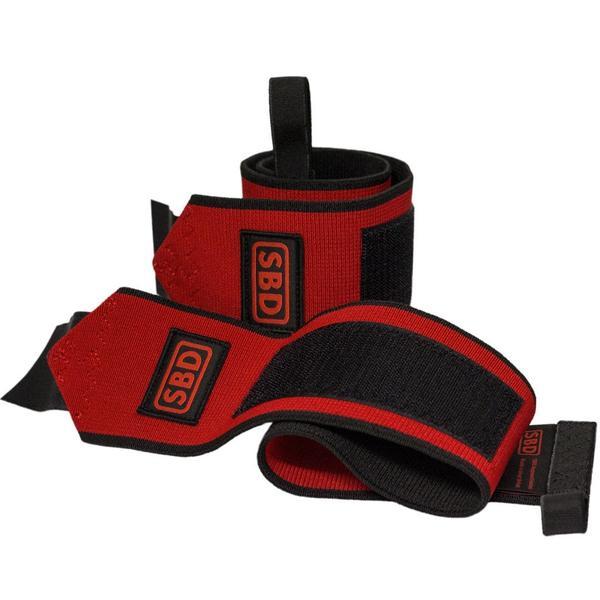
Wrist Wraps
Keep the wrist stacked under the bar on heavy bench and overhead press, so the joint doesn’t bend back under load.
Check Out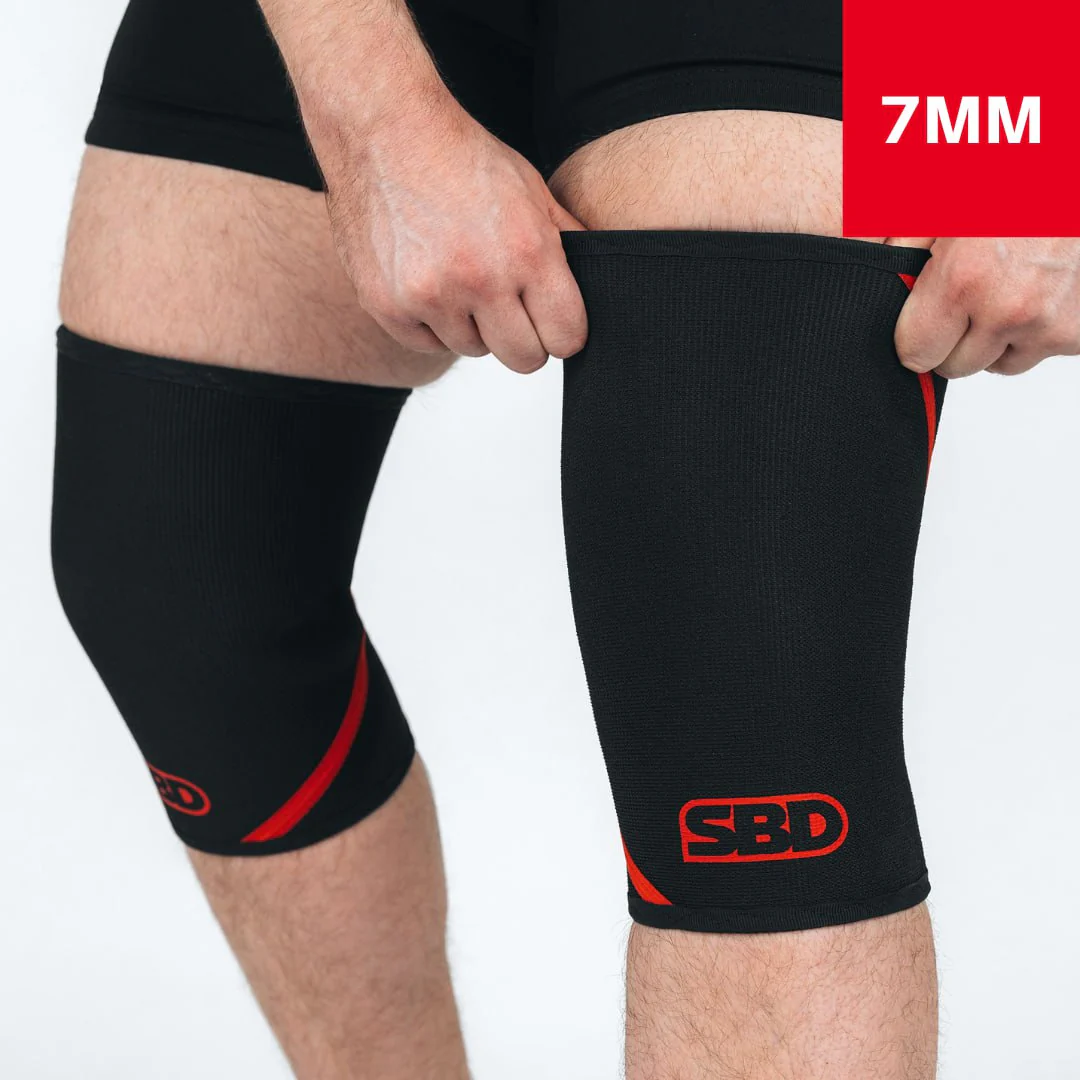
Knee Sleeves
Add warmth and a little support to the knees, and give a small rebound out of the bottom of the squat.
Check Out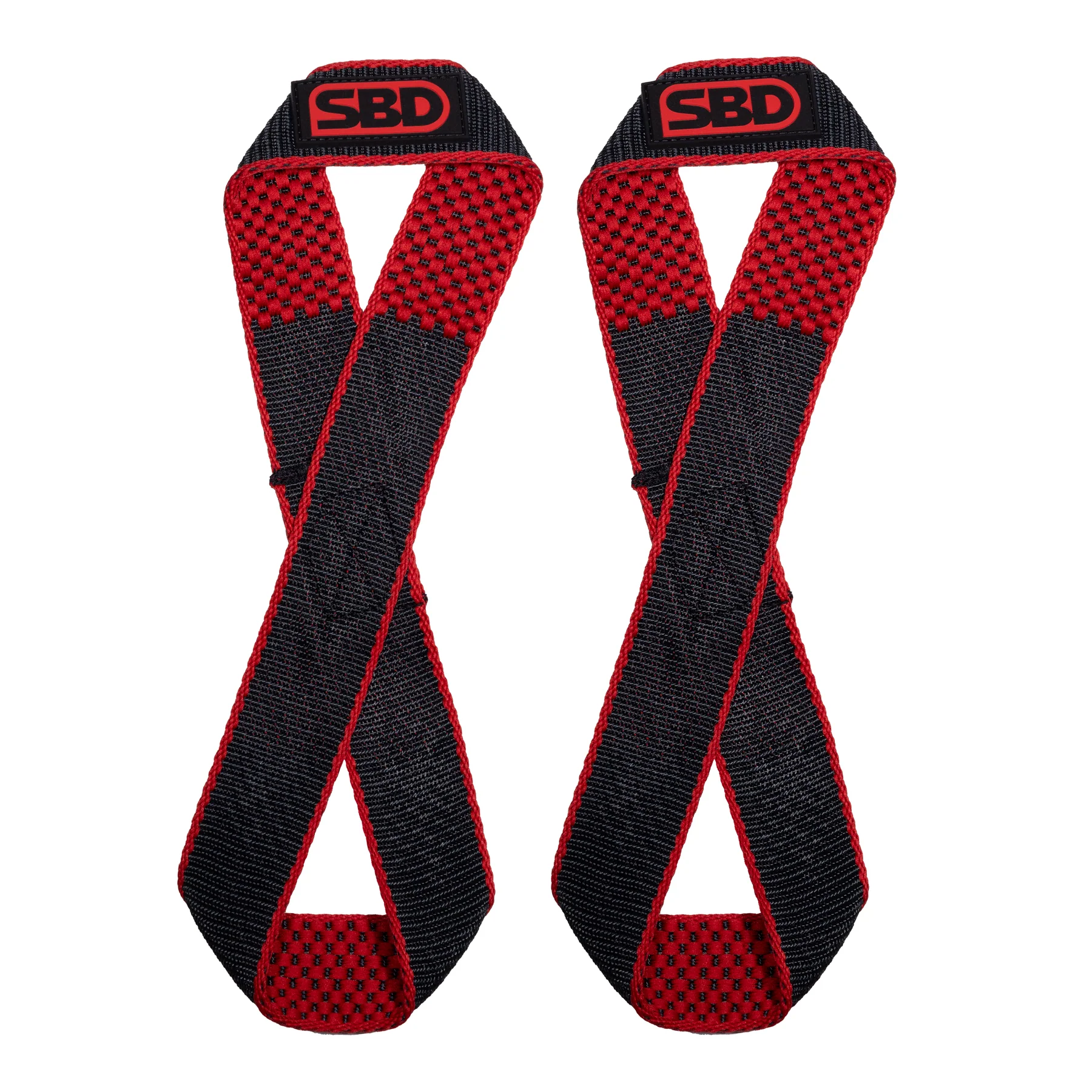
Lifting Straps
Secure your grip so heavy deadlift and pulling assistance work isn’t cut short by your hands giving out first.
Check OutLearn the lifts
New to any of the movements in this program? Our lift guides break down technique, cues and the common mistakes to avoid.
 Iron Library